



art of travel
What’s New
The Latest Product Updates from India
Compiled by Richa Shandilya, Product Manager, Destination Knowledge Centre
STAYS TO WATCH OUT FOR
New Hotels
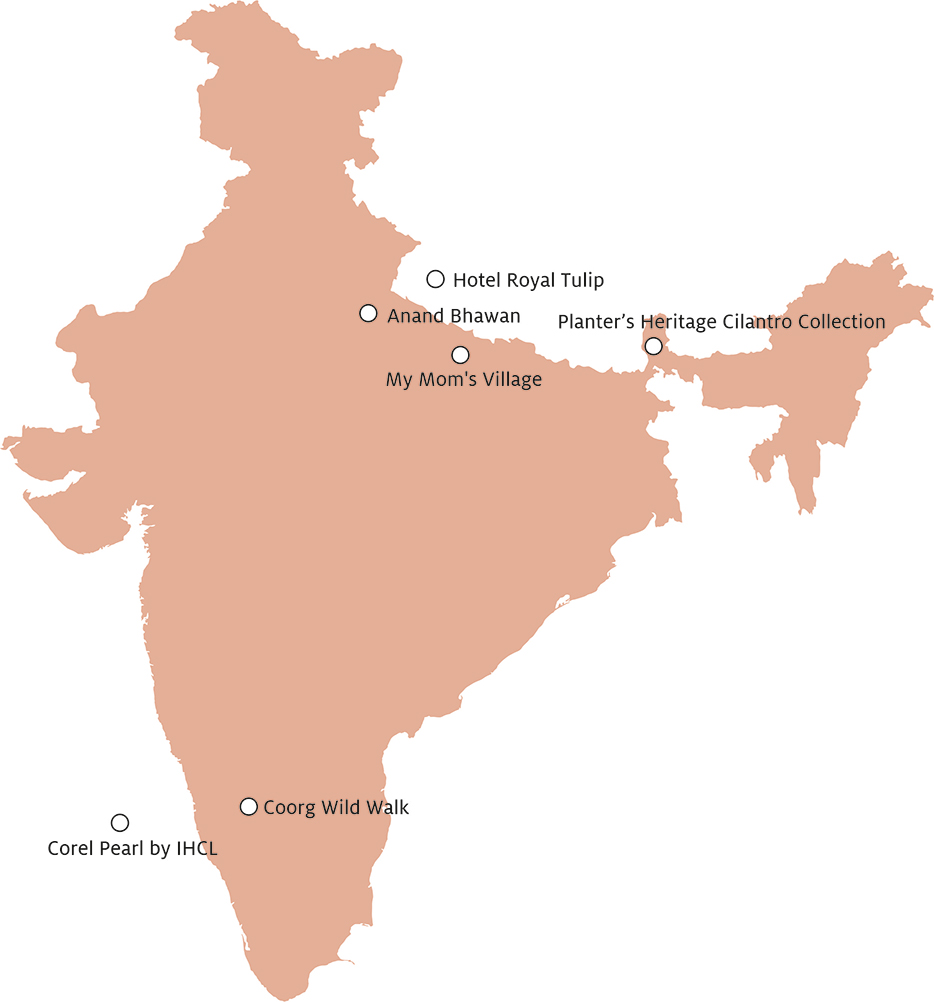
- Anand Bhavan, Tirwa Farms, Uttar Pradesh
- My Mom’s Village, Uttar Pradesh (Website in Progress)
- Planter’s Heritage Cilantro Collection, Darjeeling
- Coral Pearl by IHCL, Bangaram Island, Lakshadweep
- Coorg Wild Walk by CGH,Nagarhole, Karnataka
- Hotel Royal Tulip, Chitwan, Nepal
We Are Excited About
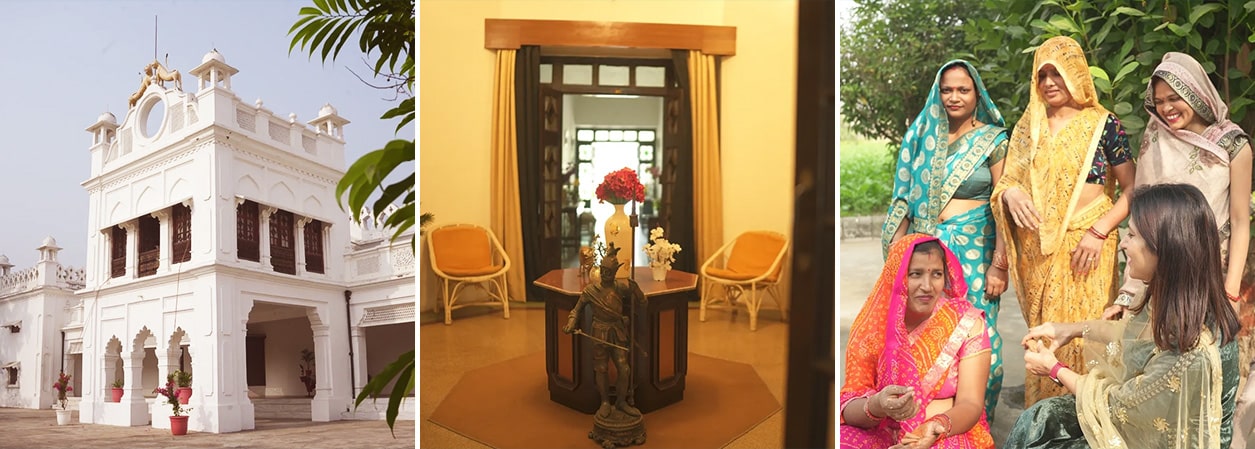
Anand Bhavan, Tirwa, Uttar Pradesh
We have been hearing about this one. A 1929 Art Deco palace in the heart of Tirwa, restored with care and a love for detail. Just off the Agra–Lucknow Expressway and not far from Kannauj, the perfume capital of India, its location adds to the intrigue. Once home to the royal family of Tirwa, Anand Bhavan seems to hold on to its old-world charm while opening the doors to a slower, earthier way of life. Guests can spend time planting, composting, and harvesting – at the estate’s working organic farm. There is also a fishery for those curious about the rhythms of sustainable aquaculture. The perfumery tour is what really caught our attention. Guests get to step into the quiet world of natural attars, see how they are distilled, and hear the stories behind each scent. It offers a rare window into Kannauj’s centuries-old perfumery traditions, still alive and fragrant. Tea in vintage halls. Walks through mustard fields. Meals made with fresh, homegrown produce. We are excited about what this soulful stop between Lucknow and Agra might offer.

Coral Pearl by IHCL, Bangaram Island, Lakshadweep
Coral Pearl sits quietly on Bangaram Island in Lakshadweep with fifty glamping tents, each facing the Arabian Sea. The setting promises comfort without losing that sense of being far away from it all. The design feels rooted in the island itself. It is breezy, open, and unfussy. Meals are served at Smok, a restaurant that leans into global flavours without losing the charm of island life. Calypso, the bar, seems made for slow evenings and sea-inspired cocktails. For guests in the mood to explore, there is plenty to do. Snorkel through coral gardens, kayak along silent reefs, or follow nature trails that wind through stories the island still remembers. Coral Pearl feels less like a resort and more like a gentle invitation to pause, breathe, and explore.
EXPERIENCES TO WATCH OUT FOR
New Experiences
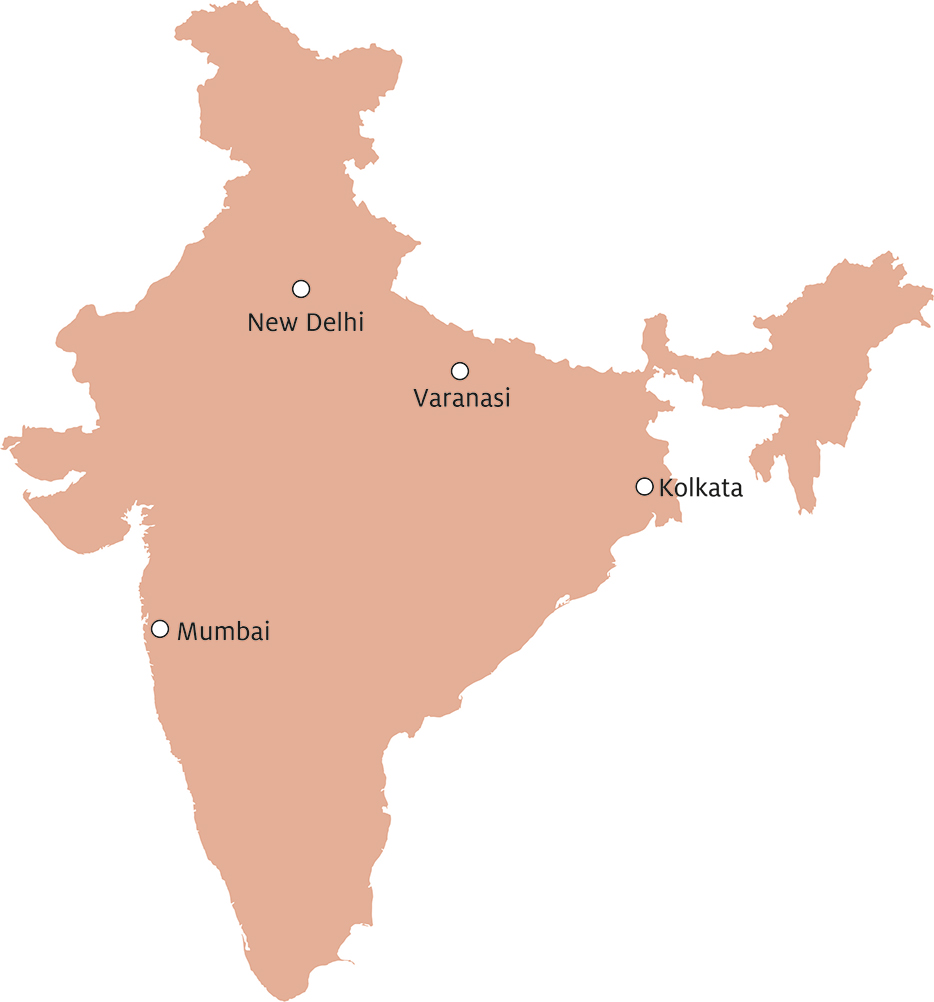
- Architecture as Archive
- The Sunken Museum Tour, Humayun’s Tomb, New Delhi – A Contemporary Space Beneath Mughal Grandeur
- Reserve Bank of India Tour, Kolkata – Art Deco and Financial Power
- Bombay Municipal Corporation Headquarters Tour, Mumbai – A Blend of Gothic Revival and Indo-Saracenic Architecture (Only on Saturday and Sunday)
- Holy City Rickshaws – Ride with Purpose through Varanasi
We Are Excited About
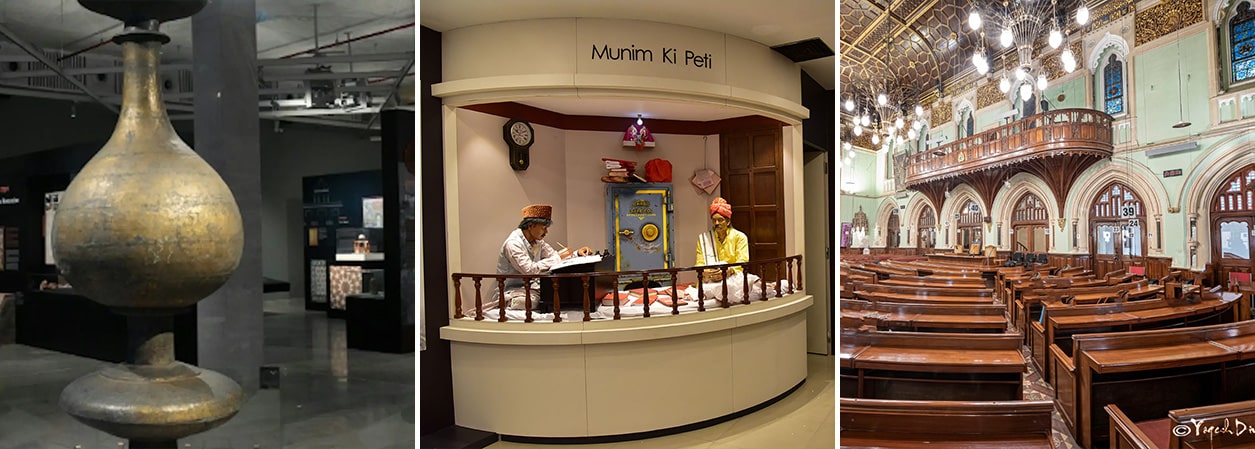
Architecture as Archive
These buildings are not just structures. They show how cities imagined authority, identity, and progress across different periods in India. Each tour offers access to a landmark shaped by its time, from colonial control to post-Independence assertion, with architecture as the witness.

Holy City Rickshaws – Ride with Purpose through Varanasi
In a city where every corner hums with stories, these custom-designed e-rickshaws sound like an experience worth seeking out. Driven by women from the community, the idea is simple but powerful: explore Varanasi through slow routes, local stories, and lived experience. It is sustainable, thoughtful, and rooted in purpose. It seems like a beautiful way to see the city and to support those helping reshape it.
ITINERARY OF THE MONTH
Weaves, Wisdom and Himalayan Whisper
Delhi – Leh – Delhi
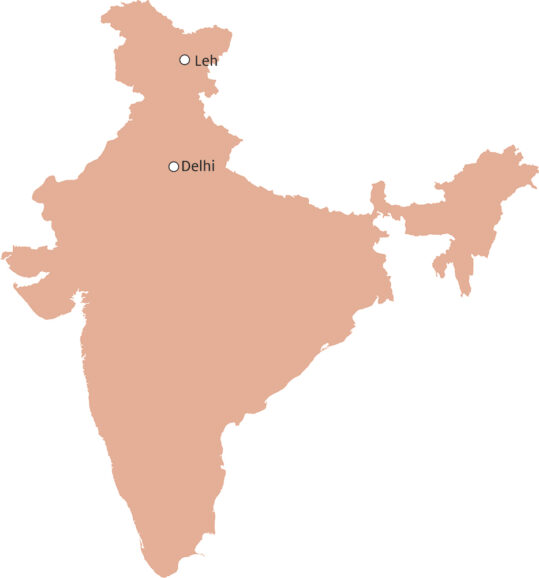
Highlights of the Tour
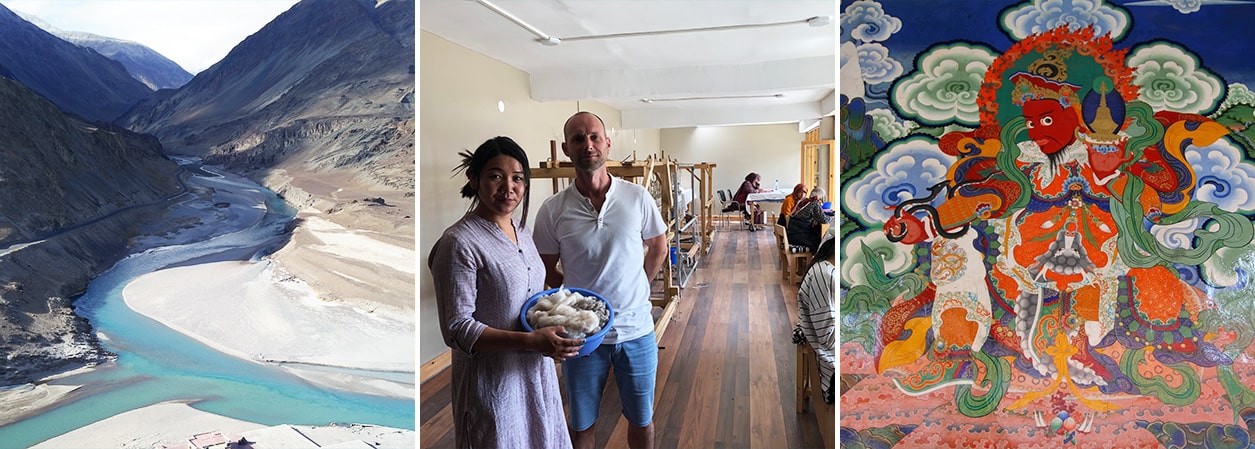
- Explore Shey Palace, once the royal seat, known for its ancient murals and panoramic views of the Indus Valley.
- Visit Thiksey Monastery, a stunning hilltop monastery with a working nunnery and exquisite Buddhist art.
- Discover Stok Palace, home to Ladakh’s royal family, featuring a museum of traditional costumes, jewellery, and textiles.
- Engage with women-led cooperatives in Leh that promote local crafts, weaving, and sustainable livelihoods.
- Participate in a thangka painting or wood carving workshop to experience Ladakh’s artistic traditions.
- Take a day trip to Alchi Monastery, home to rare 11th-century murals and Indo-Tibetan art, and explore nearby villages known for pottery and weaving.
RESTAURANT TO WATCH OUT FOR
New Restaurant

The Mountbatten Supper Club, Udaipur, Rajasthan
In a quiet corner of Udaipur, there is a supper club that opens only during sundown. Unhurried, thoughtful, slightly off the map. It sounds like a place worth planning for. The Mountbatten Supper Club is not your usual restaurant. It feels more like an invitation: private, deliberate, and elegant. With views across the lake and the city’s evening skyline, the space hosts a limited number of guests each evening, offering a set menu that changes with the season and the chef’s mood. It is not open for walk-ins. Pre-booking is essential and best done well in advance, as the supper club runs on limited hours and a smaller scale. This is partly to keep the atmosphere unrushed, partly to let the food speak in its own time.
NEW FLIGHTS

Kolkata – Varanasi | Varanasi – Kolkata
From the Hooghly to the Ganges, now just a flight apart.
An easy way to travel between the old capital of India and one of the world’s oldest living cities.
Jaipur – Varanasi | Varanasi – Jaipur
Forts at one end, faith at the other.
Now connected by a short flight that makes the distance feel smaller.
Write to your relationship manager for more details on What’s New
Reflections from Kolkata
Pause in the Itinerary
By Dipak Deva, Managing Director, Travel Corporation India Ltd.
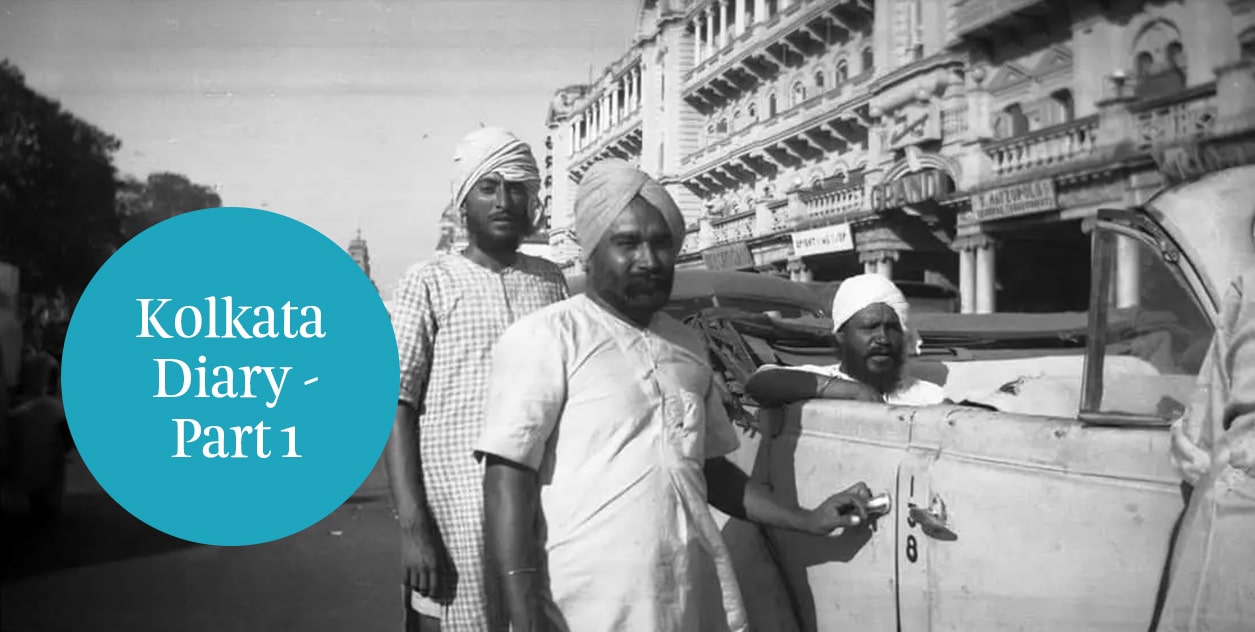
I didn’t go to Kolkata to think about it. It wasn’t on the itinerary. But Kolkata has a way of nudging you toward things you didn’t plan for, and didn’t know you were looking for.
Navpreet was my guide for the day. A Sikh. Self-assured, intuitive, focused on the tour ahead. And she was simply excellent. She didn’t bring up her identity, and it never felt like she was trying to represent anything. Only later, did I find myself thinking about the Sikh story in Kolkata. Not because it was being told. But because it never is.
Kolkata doesn’t often bring up its Sikhs. Their story sits at the edge of more familiar stories, the colonial landmarks, the Bengali renaissance, the refugee tides. But they have been here for over a hundred years, in neighbourhoods like Bhawanipore, Cossipore and Howrah. This was a community that came to work, as they have in cities across India and the world. Many joined the railways, the army, the police, or the port. Some were mechanics. Some drove taxis. Some started small businesses that still survive in the quiet backlanes of South Kolkata.
By the middle of the twentieth century, Sikhs ran a significant portion of the city’s transport system. It became common wisdom that if a woman wanted to reach home safely after dark, she should look for a Sikh taxi driver. That sort of trust isn’t built overnight. It comes from years of showing up, doing your job, and treating others with respect.
You can trace the roots of the community through places like Gurudwara Sant Kutiya in Bhawanipore, established in 1910 near what would later become Balwant Singh Dhaba, the city’s oldest Punjabi eatery. Locals still flock there for breakfast and late-night chai, keeping the place alive well past midnight. Or the Dum Dum Gurdwara, founded by working-class families who pooled their savings to build something of their own. These weren’t grand religious structures. They were practical spaces. Places that offered food, shelter, advice and connection. In the absence of formal welfare, they functioned like informal ministries.
The story of Dum Dum’s gurdwara was documented in great detail by Jagmohan Singh Gill, a Kolkata-born entrepreneur and civic chronicler whose father helped establish the shrine. Gill grew up watching the community at work, not just in prayer halls but in kitchens, classrooms, taxi stands and port garages. Decades later, he committed himself to preserving these stories lest they are forgotten.
You won’t find plaques or guided trails to the city’s Sikh landmarks. But the traces are still there if you know where to look. In a 3 am kitchen serving sweetened tea to night-shift workers. In a mechanic’s garage passed down through generations. In names that don’t appear in history books but changed lives quietly. People like Kartar Singh Gill, a taxi driver who later ran a community loan fund and helped build one of Kolkata’s earliest gurdwaras. Or Niranjan Singh Talib, who published the city’s first Punjabi daily and was jailed by the British for his connection to the freedom fighters.
These stories live in memory, in oral accounts, in neighbourhoods that still remember who helped them when it counted. Today, the Sikh community isn’t large. Many of the younger generation have moved on to other cities or overseas. But a few continue to run dhabas, repair cars, organise langars, keep the Gurdwaras going and quietly show up when there is a crisis in Kolkata. They are still here. They remain part of Kolkata’s present.
I didn’t set out to write this. But sometimes, a walk with someone like Navpreet jolts a memory. Not of an event, but of a feeling. That whole communities can shape a city without demanding to be celebrated.
And maybe that is the kind of story worth telling.
Stories from India
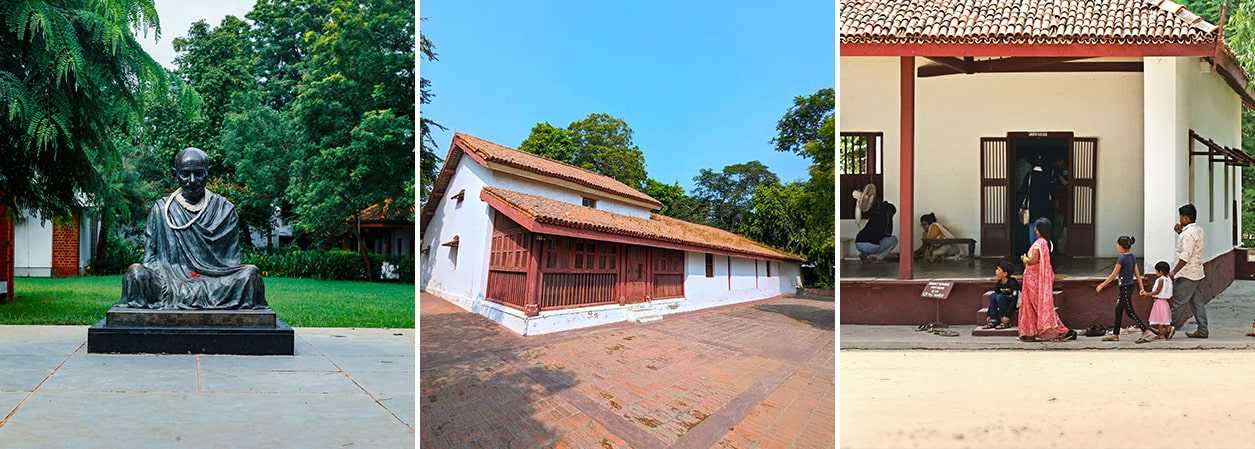
Sabarmati Ashram and Gandhi’s passive resistance
By the Research Hub, Destination Knowledge Centre
The ashram as an institution in India has been in existence for at least two thousand years. Very broadly, ashrams can be described as hermitages, with a community of disciples gathered around a spiritual leader or guru who guides them in the practice of rigorous spiritual discipline. The modern ashram emerged in Indian nationalist discourse by the early 20th century. It became a new site of convergence for spirituality and deshbhakti (love for the nation).
Mahatma Gandhi’s Sabarmati Ashram, located in Ahmedabad, was an attempt to create a non-hierarchical society, emphatically effacing boundaries of class, caste, and religion. It was a training ground for satyagrahis (passive resisters) for anti-colonial movements that he spearheaded, based on the philosophy of non-violence and nation-building activities such as the promotion of khadi (hand-spun cotton) and the removal of untouchability. Gandhi’s charkha (spinning wheel) became an icon of India’s freedom struggle as well as a tool for deep meditation. He believed that the charkha was capable of mending the broken warp and weft of one’s life. Sabarmati Ashram represented Gandhi’s idea of reviving India’s national greatness, which was always spiritual. His followers from the West found in such an enchanted space a resonance of their own dissatisfactions with industrial modernity.
Very interestingly, the Sabarmati Ashram is located right between a cremation site and a jail. Perhaps it was Gandhi’s way of telling the satyagrahis that, in his non-violent resistance against the British Raj, they could land up in either of the two.
Spend time at Sabarmati Ashram, a key stop on the Ahmedabad city tour that offers insight into Gandhi’s life and ideals.
Write to your relationship manager for more details on the Sabarmati Ashram and a Gujarat Itinerary.
Sustainability and Us
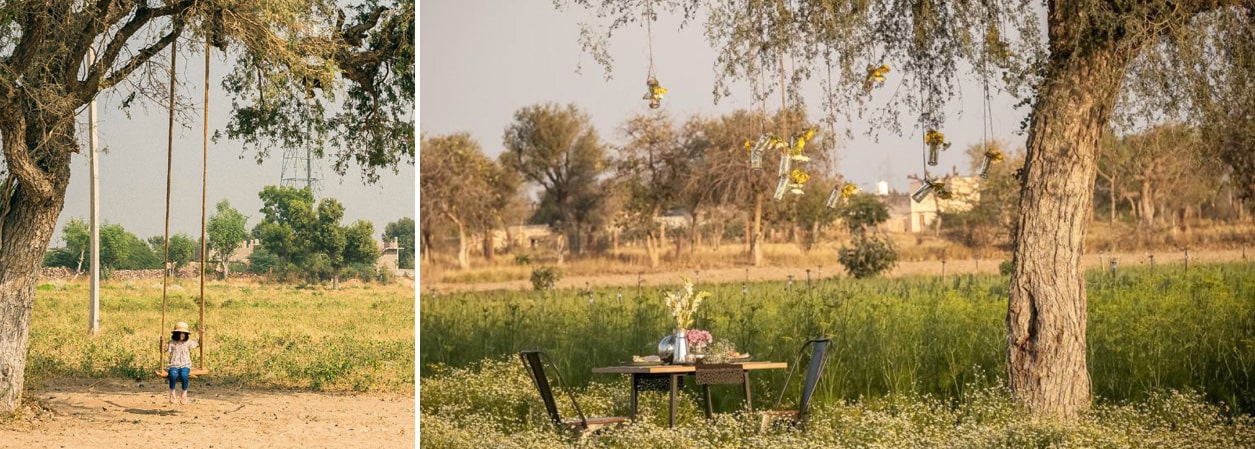
Traditional and Sustainable: Rohida – A Symbol of Culture and Spring
From the Diary of Soma Paul, Product Manager, Distant Frontiers
As I travelled through Rajasthan’s vast, arid plains, I kept noticing a particular tree that stood out against the harsh landscape. It wasn’t just its ability to survive that intrigued me. It was the stories people shared. They called it the “Tree of Life.”
Also known as the ‘Desert Teak’ for its durable wood, the Rohida (Tecomella undulata) thrives in extreme conditions. With deep roots that prevent soil erosion, it plays a crucial role in maintaining the fragile desert ecosystem.
Beyond its ecological role, the Rohida has its own cultural importance. Families plant it near homes and temples, believing it brings good fortune. Every spring, from March to April, it bursts into bright yellow blooms, signalling hope and renewal. Farmers traditionally used this blooming as a natural indicator of the approaching monsoon, planning their crops accordingly. This is a practice still followed in some villages. The Rohida’s beauty has earned it the title of Rajasthan’s state flower.
The tree has its place in Rajasthani folklore and traditions. Its presence comes alive in stories and songs, such as this soulful piece performed by Mahesha Ram Ji from Jaisalmer just for me:
Rohide ro phool kahije re phootro
(The Rohida flower looks lovely)
Todan jaaijo re mati
(But don’t pluck it off the tree)
Je lyaave tode gun baahiro
(If you do, you’ll see it’s useless)
Baas nahin aave ek ratti
(It has no fragrance)
This song, part of Kabir’s oral tradition, carries the region’s values of humility and balance. It is kept alive by the Meghwal community, who have passed down poetry by bhakti poets like Kabir for generations.
The Rohida isn’t just a tree. It is a symbol of spring, a cultural icon, and a reminder of the deep connection between humans and nature in Indian culture.
So, if you find yourself in Rajasthan and spot the Rohida tree, take a moment to appreciate its significance. Its role in nature, its place in the heart of local traditions, and the stories it continues to tell.
Explore

Aguada Jail Museum: Goa’s Secret History Spot
By Saira Vaz, Vice President, Charters, Sita Goa
Let me tell you a secret. There is a bebinca-sized slice of Goan history tucked away that most folks miss: the Aguada Jail Museum.
Part of the old Aguada Fort, this place doesn’t just sit pretty on the edge of the Arabian Sea with those jaw-dropping views. It tells the story of a Goa you won’t find on postcards. Back in the day, these very walls held political prisoners, brave Goans who stood up to the Portuguese regime of António de Oliveira Salazar.
The museum is now a smartly done-up space, with the old prison cells transformed into the Aguad Interactive Museum. Walk through three immersive zones: “Goa: The Land,” “The Struggle,” and “The People.” It is all super engaging, with interactive exhibits, QR-coded audio guides, and touchscreen kiosks that actually make you want to learn more. It is like flipping through your grandparents’ photo albums, only with motion sensors and sound effects.
But there is more than just history here. Picture yourself grabbing a bite at The Black Sheep Bistro or chilling with a locally brewed drink at MotleCy Brew. Want something fancy? Head to Cellar 1612. And if you time it right, you could even catch a short documentary on Goa’s freedom struggle or hop on a speedboat from Panjim jetty and arrive in ten breezy minutes.
Also, look out for art exhibitions by Goan artists, heritage walks led by storytellers, and even an intimate 35-seater cinema inside. It is a full-on experience that brings together history, food, sea views, and stories that stay with you.
So next time you’re in Goa, don’t just beach-hop and shack-surf. Swing by the Aguada Jail Museum and meet the side of Goa that is brave, bold, and beautifully real. Trust me, you will come away with a little more Goenkarponn (Goan essence, if you’re wondering) in your soul.
Write to your relationship manager for more details
Inspiration

The Elephant Whisperers
Directed by Kartiki Gonsalves
Reviewed by Saurabh Rai, Media Manager, Destination Knowledge Centre
The Elephant Whisperers is a gentle, heart-warming short documentary that feels like a quiet antidote to the chaos of urban life. Directed by Kartiki Gonsalves, it draws us into the serene world of Bomman and Bellie, a couple in South India caring for two orphaned elephants, Raghu and Ammu. Their bond, built on trust and love, feels like a rare and almost impossible kind of connection in fast-paced city life.
What struck me most was the film’s simplicity. There is no attempt to dazzle with dramatic twists or overwhelming visuals. Instead, it lets the natural world breathe, inviting us to slow down and notice the small, quiet connections we often miss. Watching Raghu nuzzle Bomman or Ammu playfully seek attention reminded me of moments of unspoken understanding I have shared with loved ones. These are moments that feel precious amidst the demands of daily life.
The lush landscapes and the elephants’ expressive eyes, filled with mischief, joy, and vulnerability, felt like a gentle reminder of how rich life can be when we allow ourselves to be present. Bomman and Bellie’s care and patience seemed like a blueprint for a kind of living that values connection over convenience. It is something I often find myself yearning for in the hum of urban routines.
In its quiet way, The Elephant Whisperers asks us to reflect on our relationships, both with each other and with the world around us. It is a reminder of what we might carry from a story like this into our own lives. A little more love. A little more presence. For anyone feeling caught in the rush of modern life, this film offers a pause. It gives us a chance to exhale and rediscover the beauty of connection.
Festival to Watch Out For
Durga Puja, Kolkata, West Bengal
28 September – 02 October, 2024
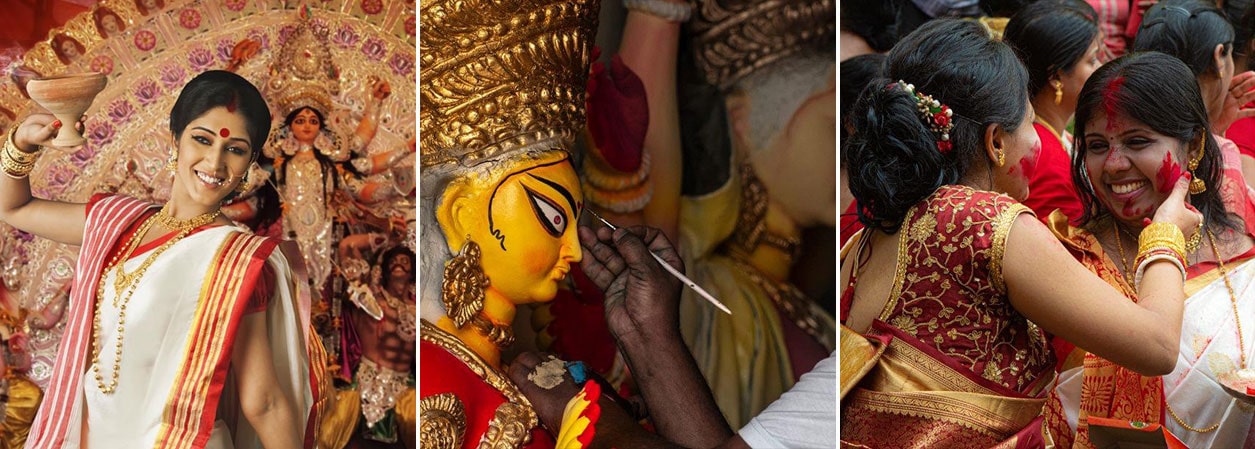
Durga Puja: The Return of the Mother
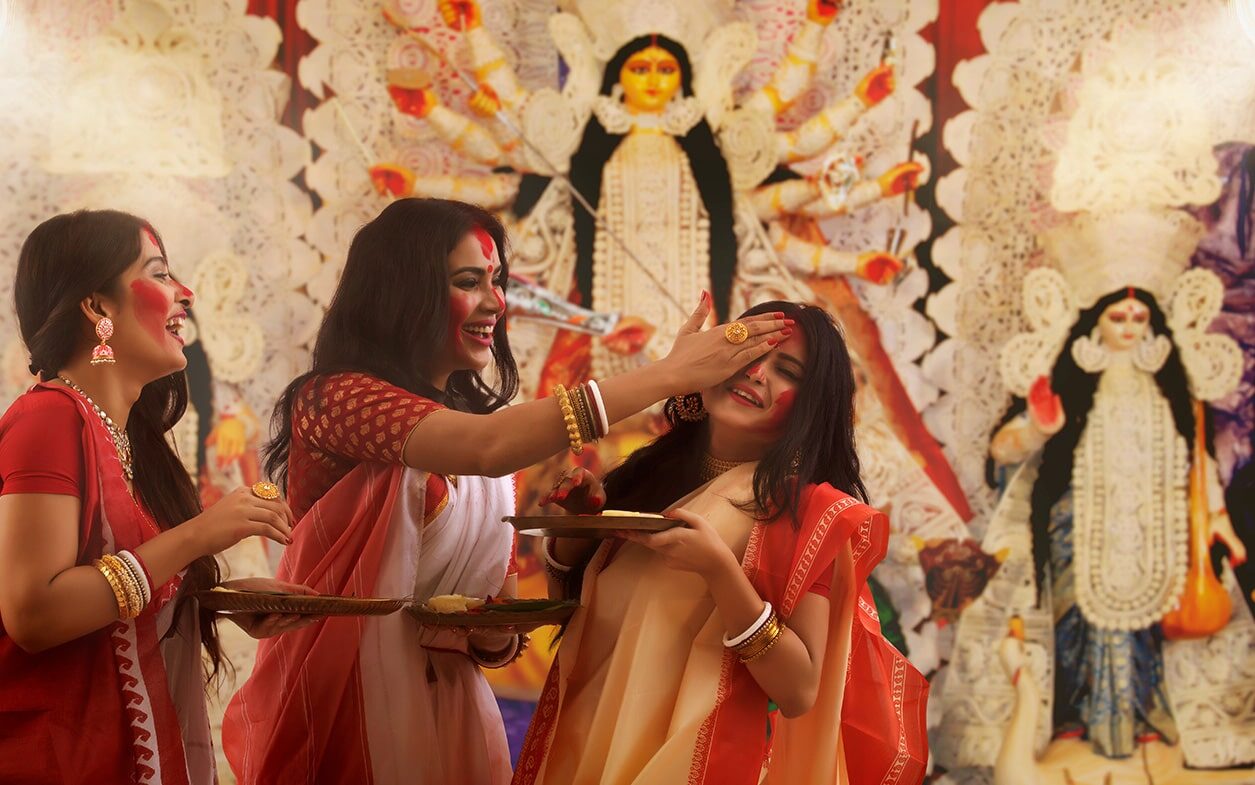
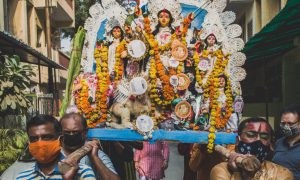
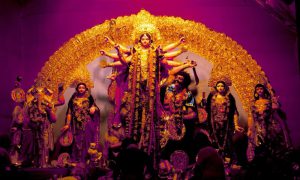
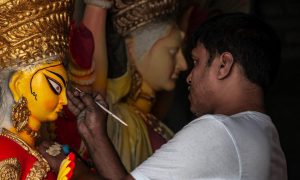
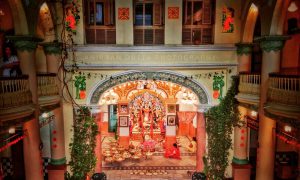
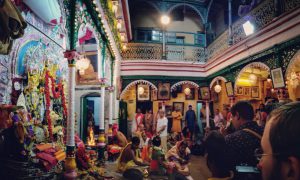
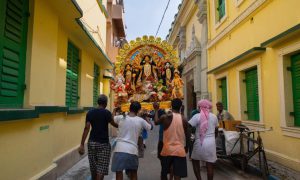
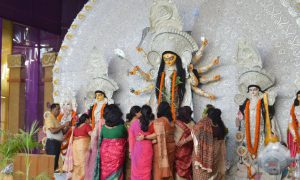
Durga Puja is a fortnight-long celebration where Shakti, the divine feminine of Hinduism, is worshipped. The festival is particularly fascinating in Kolkata, which has been inscribed on the UNESCO Intangible Cultural Heritage of Humanity list. In this city, Durga Puja is all about exquisite idols of Goddess Durga, extravagant thematic pandals (temporary stages), rituals, dances, delicious food, huge crowds, and chants of “Bolo Maa Durga ki Joi” (Hail Mother Durga).
For Bengalis in Kolkata and across the world, autumn brings happiness as their “Ma” (mother) returns from her celestial abode with her children. Durga Puja involves meticulous planning. What to wear. Where to go. Whom to meet. What to eat. What to cook. Nothing else matters. Women bring out their traditional jewellery and finest saris, which otherwise remain tucked away in wardrobes.
Here, Durga, the great slayer of demons, becomes a cherished figure. She is a beloved aunt, mother, daughter, and even a friend. The festival becomes a time of revelry and rituals, an annual homecoming filled with the joy of reunion.
Write to your relationship manager for the Durga Puja itinerary and a copy of our Festival Calendar (2025-26)
Picture Gallery
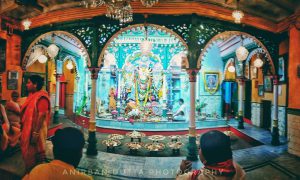
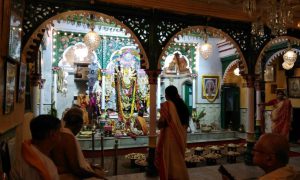
Durga Puja is not just a festival. It is a season of return, of devotion, of beauty shaped by memory and meaning.






-
- ????????????????????????????????????
SIGN UP
RESOURCES
SITE LINKS
CONTACT US