



art of travel
What’s New
STAYS TO WATCH OUT FOR
New Hotels
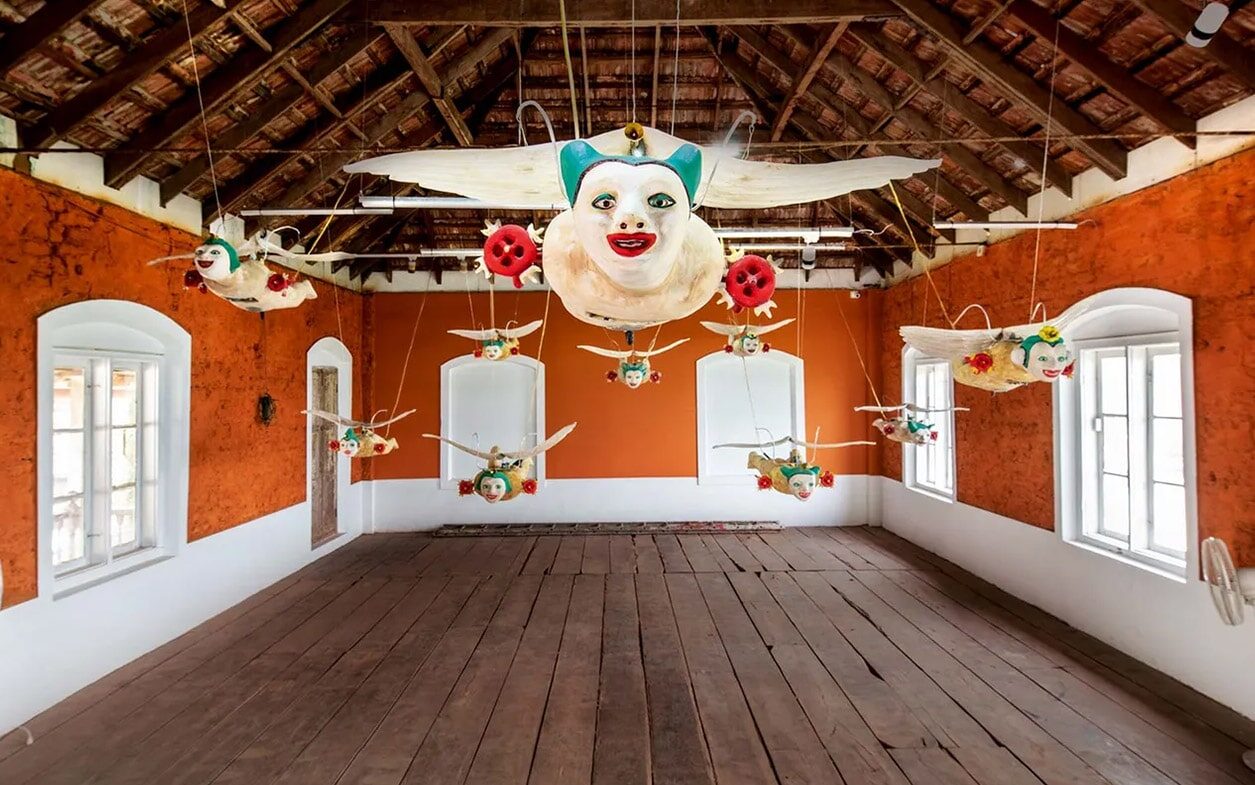
We Are Excited About
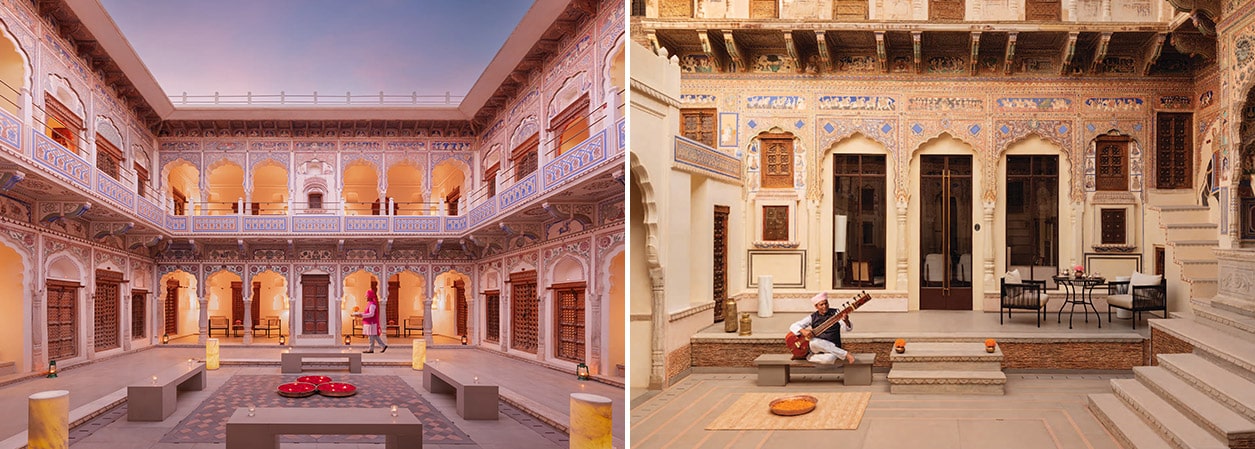
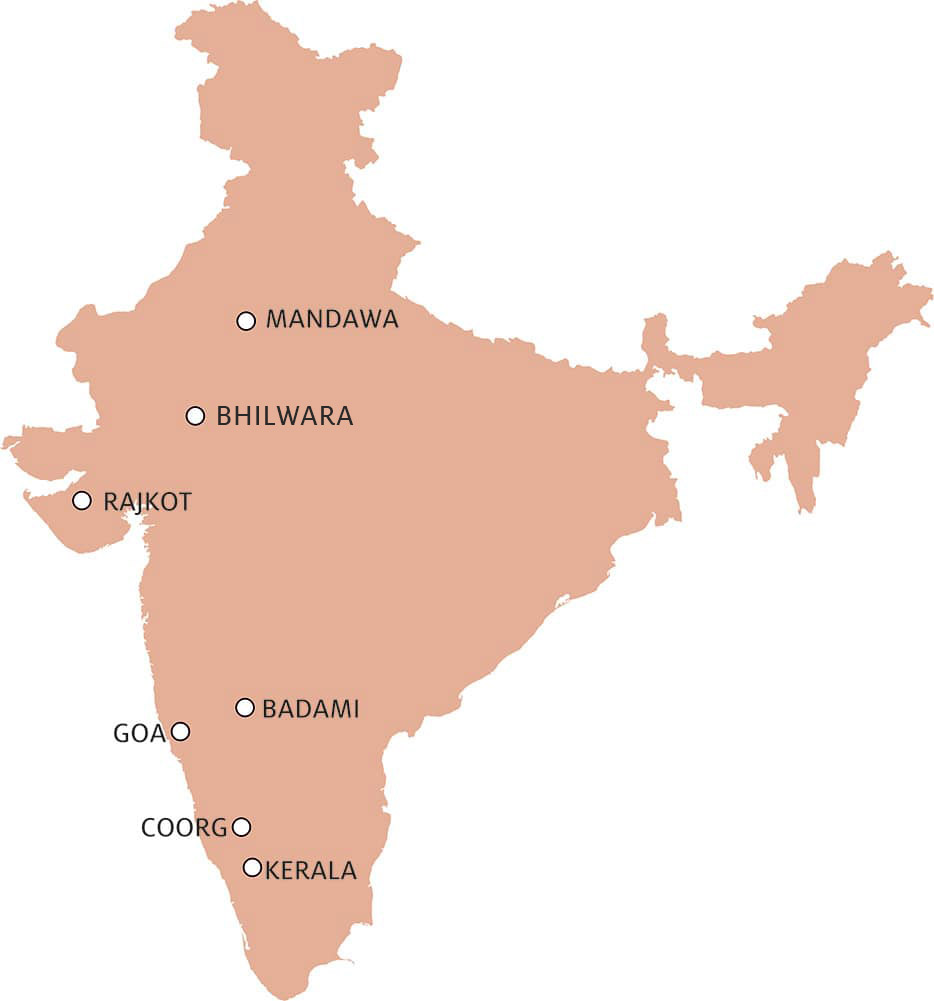
Gulab Haveli-IHCL, Mandawa, Rajasthan
Gulab Haveli is located in Mandawa, a historic Shekhawati town famed for its exquisitely frescoed havelis. It is approximately 170 km from Jaipur, with a drive time of around 3 hours by road. The property has been signed by IHCL to join its SeleQtions portfolio. Built in the late 19th century by a trader, it features rare European-inspired frescoes. The restored 17-key hotel is set to expand to 35 keys. Guests can enjoy an open-air art gallery, guided heritage walks of painted havelis, dinners amid the sand dunes, and tie-and-dye workshops with local artisans.
EXPERIENCES TO WATCH OUT FOR
New Experiences
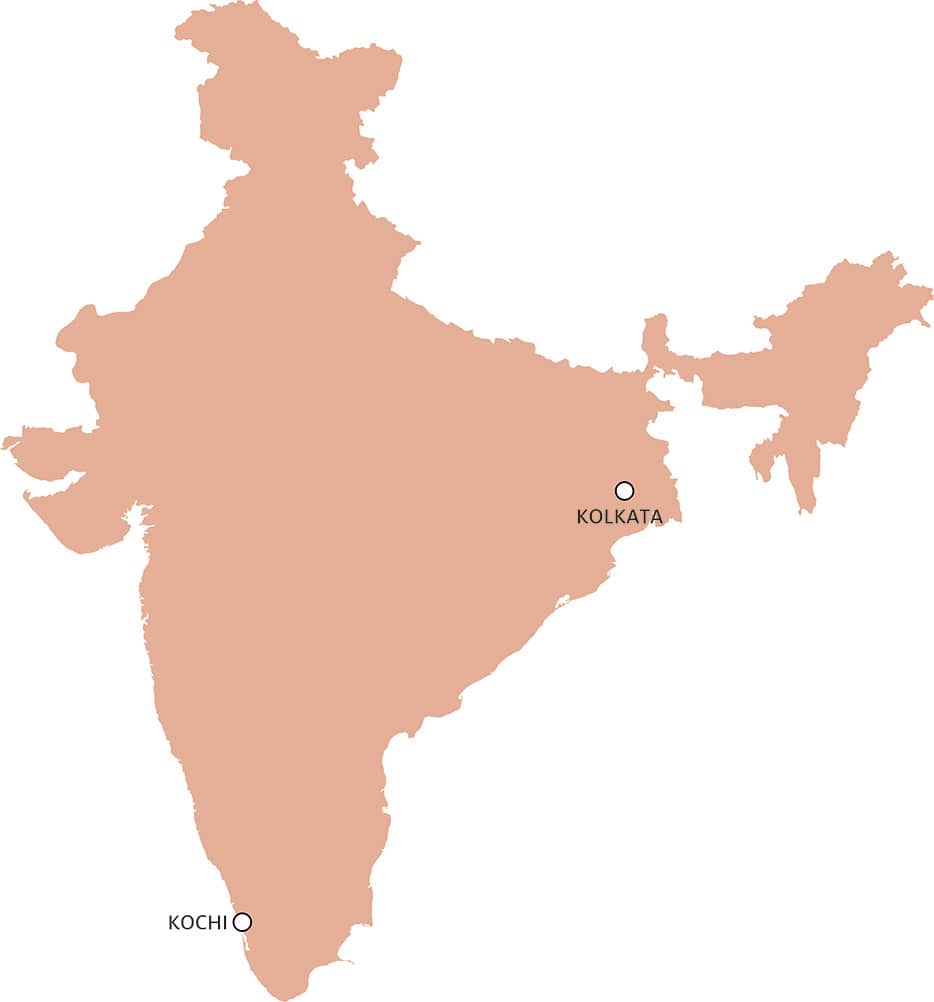
- The Village of the Singing Painters, Kolkata, West Bengal
- The Colonial Table, Kochi, Kerala
We Are Excited About

The Colonial Table
A flavourful voyage through the colonial kitchens of Fort Cochin. In this historic port city, centuries of Portuguese, Dutch, and British influence mingled with local traditions to create a rich Eurasian culinary heritage that continues to thrive through their descendants today.
ITINERARY OF THE MONTH
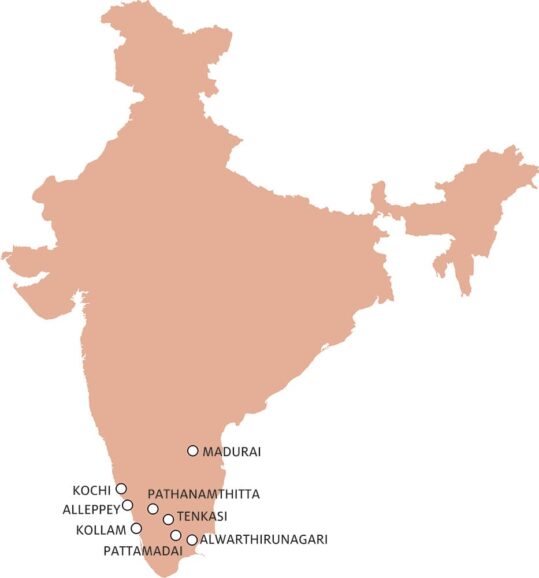
A Journey Through Villages, Crafts & Culture
Kochi – Alleppey – Kollam – Pathanamthitta -Tenkasi – Pattamadai – Alwarthirunagari – Madurai
Highlights of the Tour
- Cruise the tranquil backwaters on a traditional houseboat and watch daily life unfold along Kerala’s lush canals.
- Explore off-beat Kollam for an intimate glimpse into authentic village life.
- Immerse yourself in local rhythms through cycling, birdwatching, yoga, and cooking sessions.
- Visit Aranmula temple, a centuries-old Syrian church, and a Gandhian weaving centre to discover Kerala’s deep cultural roots.
- Ride the scenic train to Tenkasi, crossing the misty Western Ghats.
- Witness the traditional craft of fine grass-mat weaving at Pattamadai.
- Engage with living traditions by learning garland-making, kollam art, and basket weaving.
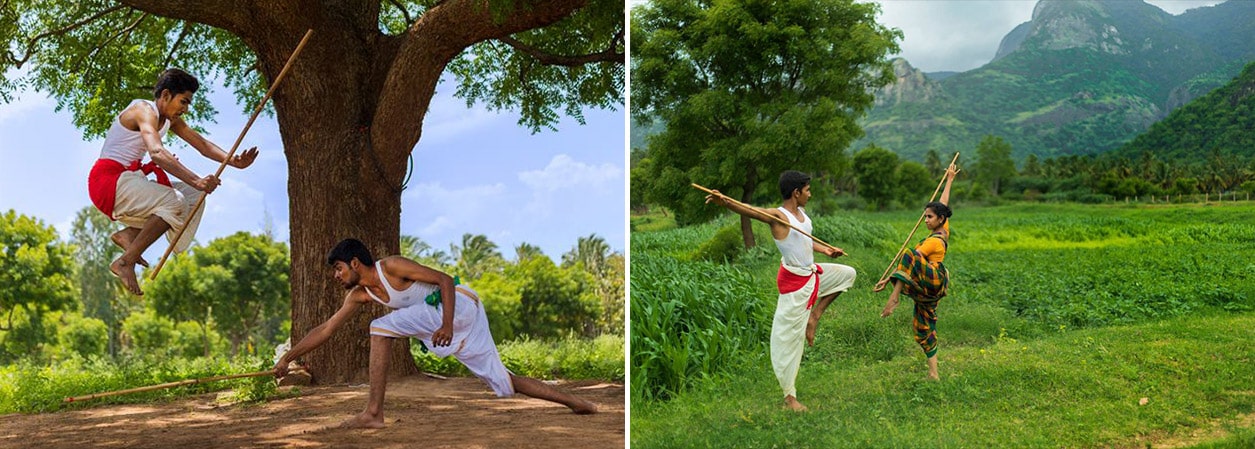
- Experience the grace and power of Silambattam, Tamil Nadu’s ancient martial art.
- Conclude with a visit to the iconic Meenakshi Amman Temple in Madurai.
RESTAURANT TO WATCH OUT FOR
New Restaurant
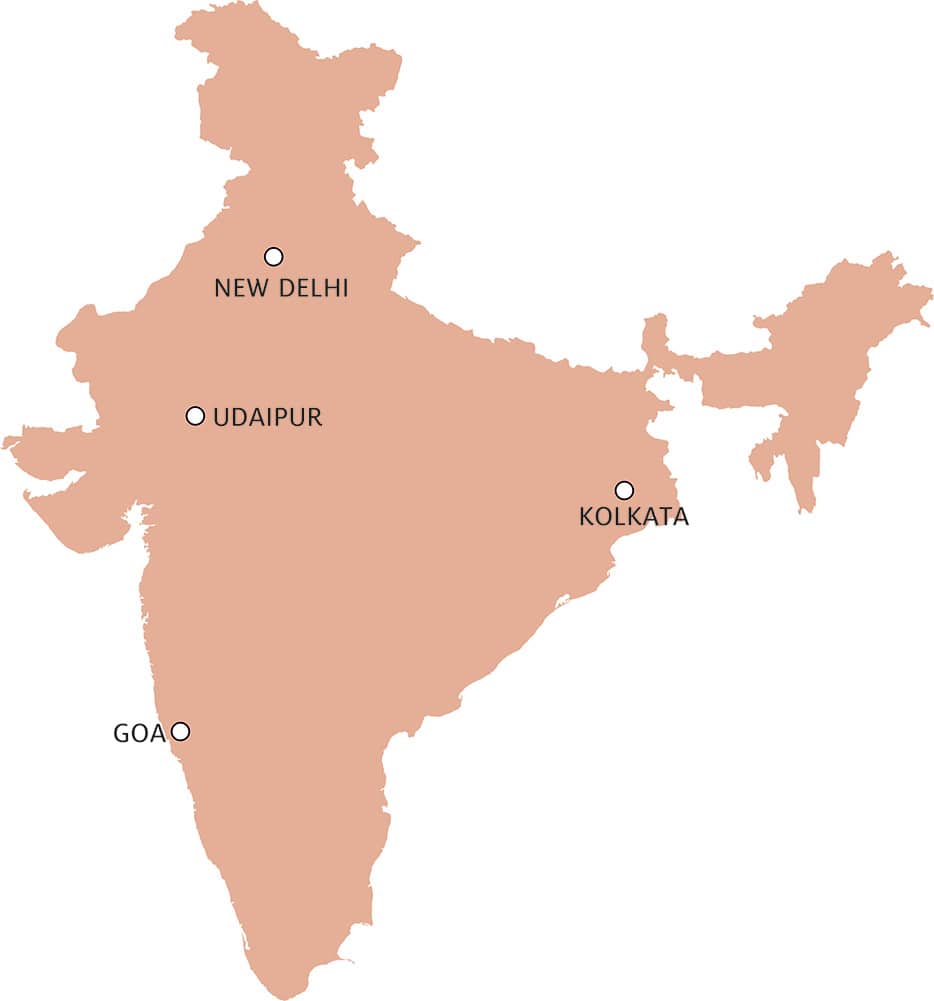
- Kikli, New Delhi
- House of Ming, Udaipur, Rajasthan
- The Dockyard Co., Kolkata, West Bengal
- Janot by Avinash Martins, Goa
We Are Excited About
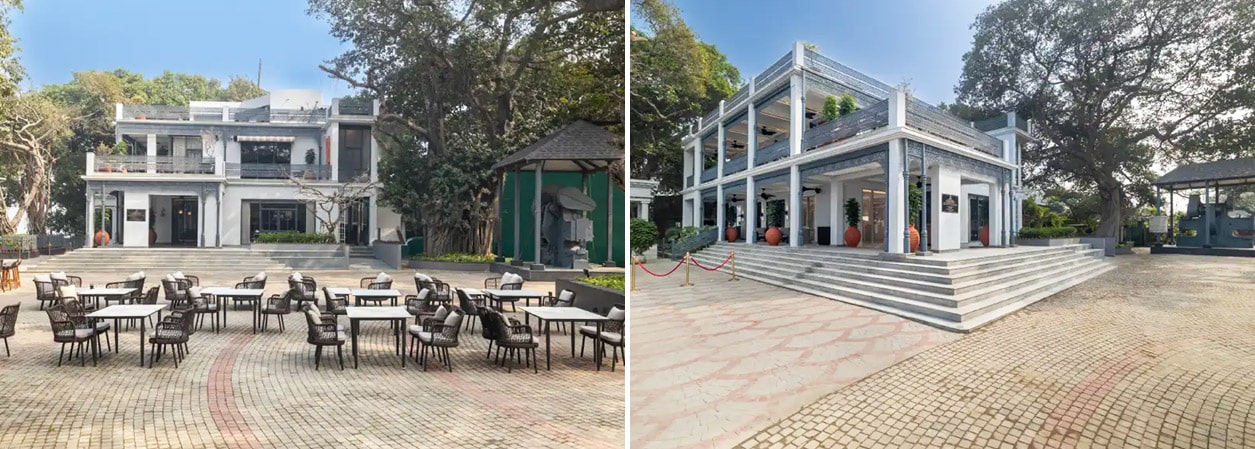
The Dockyard Co. Kolkata, West Bengal
On the banks of the Hooghly River, The Dockyard Company occupies a restored 19th-century dockyard where industrial heritage meets modern hospitality. Its courtyard bar, built around old trees, seats up to 150 guests. The décor blends rustic warmth with terracotta art, set against views of the 1899 clock tower. The menu celebrates Kolkata’s maritime legacy with a mix of Indian, Southeast Asian, and Western flavours. Whether café, restaurant, lounge, or bar, The Dockyard Company is a welcoming riverside space for gatherings, celebrations, or relaxed dining.
NEW FLIGHTS

Delhi – Tiruchirappalli nonstop on Indigo Airlines
Fly daily from Delhi to Trichy, The Temple City of Tamil Nadu.
Delhi – Jorhat nonstop on Indigo Airlines
Kaziranga’s Wildlife and The Cultural Hub of Majuli, Asia’s largest Riverine Island, just a flight away.
Delhi to Itanagar nonstop on Indigo Airlines
Gateway to Arunachal Pradesh’s Untouched Landscapes.
Kolkata to Kathmandu nonstop on Buddha Air
Discover the Wonders of Nepal.
Write to your relationship manager for more details
Happiness, Hydropower, and Bitcoin
By Dipak Deva, Managing Director, Travel Corporation India Ltd.
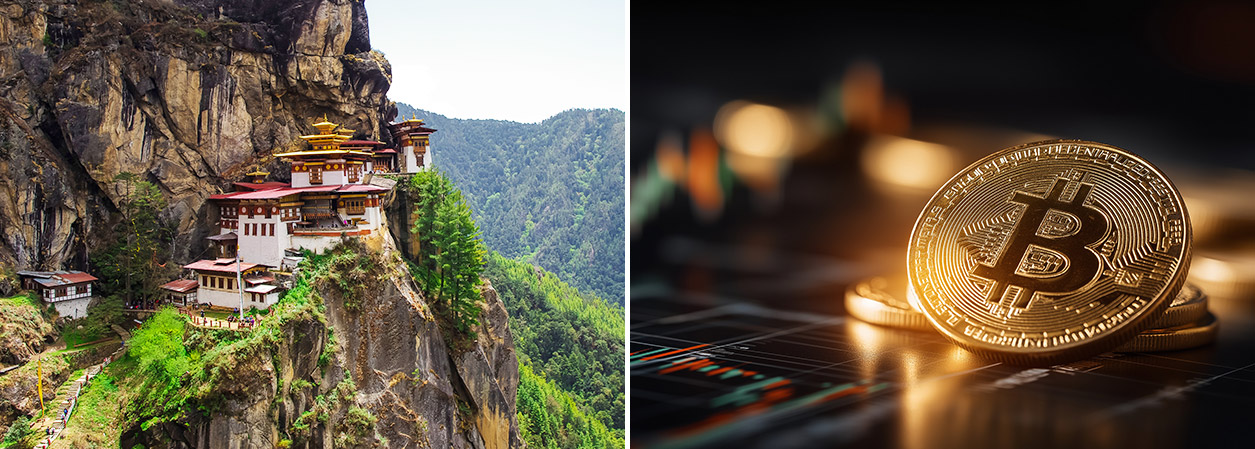
Perched high in the Himalayas, Bhutan has long charmed travellers with fluttering prayer flags, cliffside monasteries, and its bold promise to measure progress not by GDP but by Gross National Happiness. It feels like a land outside time, serene, traditional, and unhurried.
And yet, behind the scenes, this tiny kingdom has been quietly building one of Asia’s most unusual economic strategies: turning rivers into digital gold.
Since 2019, Bhutan has channelled its surplus hydropower into Bitcoin mining. The idea is simple but brilliant. Fast-flowing Himalayan rivers generate more clean electricity than Bhutan can use. Selling the extra power to India earns only modest returns. But plug that power into banks of high-performance computers, and it produces Bitcoin, a resource far more valuable than wholesale electricity.
According to blockchain intelligence firm Arkham, Bhutan’s Bitcoin holdings are worth more than $1.3 billion as of 2025. That represents nearly 40% of the kingdom’s GDP. The country is currently generating anywhere from 55 to 75 Bitcoin every week. That is $3.6-4.9 million from its mining operations. Mining pools include AntPool, Braiins, and Foundry. Unlike the coal-fuelled mining farms that dominate headlines elsewhere, Bhutan’s operation is powered entirely by mountain rivers. This makes it one of the greenest crypto stories in the world.
The scale of Bhutan’s commitment is remarkable. The country’s hydropower infrastructure currently provides 3.5 gigawatts of capacity. In the future, it could expand to 33 gigawatts. Mining company Bitdeer is working to increase the country’s mining capacity to 600MW by 2025. This is more energy than the entire country currently uses. Bhutan’s sovereign investment arm, Druk Holding & Investments, has spearheaded the initiative. It has mined over 12,000 Bitcoin since 2020. The operation represents a dramatic shift in how the kingdom monetises its natural resources, moving beyond traditional electricity exports to India.
Of course, the kingdom is walking a fine line. Bitcoin is notoriously volatile, soaring one year and crashing the next. Mining rewards also shrink over time. Global regulators are watching the industry closely. Bhutan’s fortune could just as easily grow into several billions as it could shrink overnight.
But Bhutan has always played a different game. Here, money is not the final goal. The philosophical connection between Bitcoin mining and Gross National Happiness makes for a compelling narrative. However, the practical mechanisms remain largely opaque. Mining now contributes over 25% of Bhutan’s GDP. The government has not disclosed specific plans for translating these digital assets into social programs. What is clear is the strategic intent. Rather than selling all mined Bitcoin immediately, Bhutan has been accumulating reserves, betting on long-term appreciation to fund future development. The kingdom’s new Gelephu Mindfulness City project suggests Bitcoin revenues may help finance ambitious infrastructure initiatives. Detailed allocation frameworks, however, have yet to be announced. Whether this digital windfall will truly enhance citizen well-being, the core promise of Gross National Happiness, remains to be proven through concrete policy implementation rather than philosophical alignment.
For travellers, this story adds an unexpected twist. Bhutan is no longer only the mystical land of dzongs and sacred valleys. It is also a country experimenting at the frontier of global finance, using its rivers to mint digital wealth while staying true to its philosophy of balance and sustainability.
The next time you stand on a hillside in Bhutan, prayer flags snapping in the wind, remember: somewhere nearby, the same river rushing through the valley may be quietly powering supercomputers. It is creating the fortune that helps keep this kingdom both timeless and surprisingly modern.
Bhutan has always been full of paradoxes, deeply traditional, yet quietly forward-looking. And perhaps nothing captures that spirit better than this: a Himalayan nation mining Bitcoin to power happiness.
Stories from India
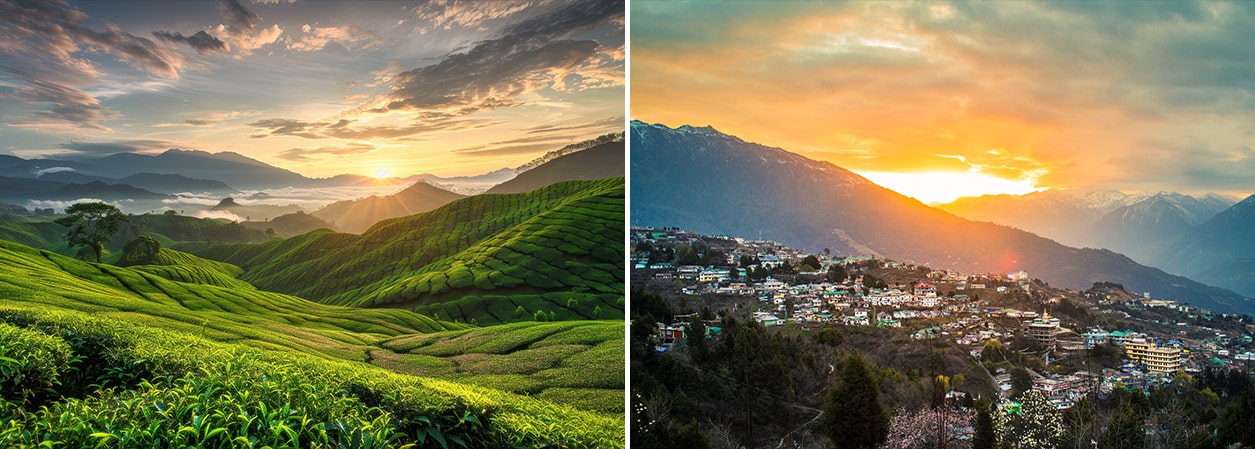
India’s Time Zone: One Nation, Many Clocks
By Kuntil Baruwa, Explorer, Destination Knowledge Centre
If you have ever heard of Indians joking about “Indian Stretchable Time,” here is your answer: in India, the sun and the clock are rarely on speaking terms.
Take Dong in Arunachal Pradesh, India’s easternmost village, where the sun bounces over the horizon before 5:00 AM, making it the first place in the country to witness sunrise every single day. Compare this with Guhar Moti in Gujarat, India’s westernmost point, where people are still dreaming away as the last place to see that same sun rise. The gap? Almost three hours. Yet, officially, both places live by the same watch: Indian Standard Time (IST).
This peculiar arrangement dates back to the British Raj, who thought it best to run the whole country on one time zone for railway schedules. After Independence, the government decided to keep it that way. Simple on paper, chaotic in practice.
But when the clock doesn’t fit the day, India does what it does best: it improvises. In Assam’s tea gardens, managers run estates on “Chai Bagan Time,” an hour ahead of IST, to catch the morning sun. In Nagaland’s Mon district, life follows “chicken time”: wake with the rooster, shut shop by mid-afternoon, and let the rest of India argue about official hours.
For travellers, this means recalibrating your entire daily rhythm. In Assam, forget having breakfast at the leisurely time you would expect during a Rajasthan holiday, as it starts getting dark by 4 pm, turning your sense of time upside down. In Nagaland, markets are already packing up just as you are checking into your hotel in the afternoon. Meanwhile, back in Mumbai or Delhi, commuters are just beginning to get stuck in peak-hour traffic when the entire Northeast has already called it a night.
The magic lies in this time-bending existence. India officially has one time zone, but in reality, it runs on many: the sun’s, the tea garden’s, the rooster’s, and yes, the famously elastic Indian stretchable version. It is part of the adventure, discovering that in India, time isn’t something you follow but something you learn to dance with.
Sustainability and Us
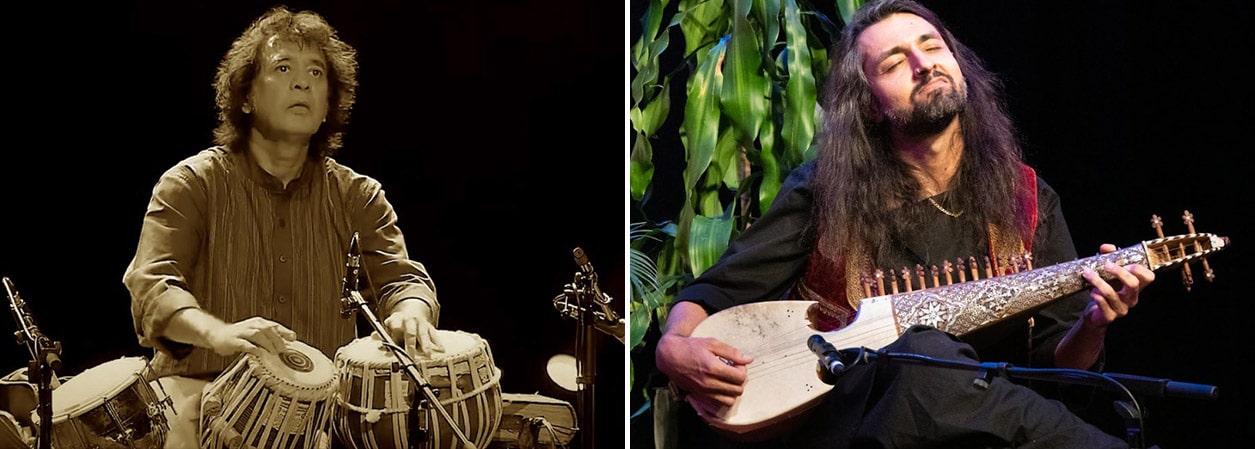
Melodies from Nature: Traditional Indian Instruments with a Green Soul
From the Diary of Inderjeet Rathod, Product Manager, Destination Knowledge Centre
Close your eyes and imagine: a bamboo flute resonating across rice terraces at dawn, clay drums pulsing like the earth’s own heartbeat, wooden strings humming with the memory of ancient forests. This is Indian classical music, not just sound, but a conversation between humanity and the natural world.
India’s musical traditions stretch back thousands of years, intertwined with its spiritual and cultural identity. At the heart of this music lies a vast array of instruments crafted from locally sourced materials: wood, bamboo, clay, and gourds. These are not just tools for making music; they are expressions of a philosophy where art and ecology dance together. Each instrument listens to the earth and finds its voice in the rhythms and melodies they create.
String Instruments: Nature’s Resonance
One of the oldest and most iconic string instruments in Indian classical music is the Veena. Picture a large, elegant instrument with a long neck and a rounded body, traditionally carved from the dense, resonant wood of the jackfruit tree. But why jackfruit wood? Its tight grain and natural oils create a sound that is full-bodied and deeply resonant, capable of sustaining notes that seem to breathe. The Veena can express emotions tied to time, seasons, and moods. Think of it as the spiritual cousin of the guitar, but with far more meditative tendencies and about three thousand years more wisdom.
Then there is the Ektara, a one-stringed wonder that proves less really can be more. It is as minimalist as they come: a bamboo stick with a dried gourd resonator at one end. Yet its sound is profoundly soulful, the kind that makes you pause mid-step. The gourd’s hollow chamber amplifies the single string’s vibrations, creating a voice that feels ancient and intimate. Common in devotional Baul music of Bengal and wandering minstrel traditions of India, the Ektara does not just play tunes. It tells stories of devotion, longing, and the beauty of simplicity.
The Rabab, popular in North India and Central Asia, is shaped like a small wooden boat with thin strings stretched across its hollow body. Traditionally made from mulberry or teak wood with a skin membrane covering the soundboard, it produces a soft, mellow sound that feels like gentle waves lapping at the shore. This instrument found its home in Sufi music, where it perfectly accompanies ghazals and mystical poetry. It can stir the deepest emotions when you least expect it, a whisper that becomes a revelation.
Wind Instruments: The Voice of the Wind
India’s wind instruments capture nature’s breath and transform it into melody. Take the Bansuri (bamboo flute), for example. This slender tube, cut from a single piece of bamboo and carefully bored with six or seven holes, seems impossibly simple. Yet the choice of bamboo is deliberate. Its natural hollow structure and smooth interior create minimal air resistance, allowing notes to flow as freely as wind through mountain passes. In Indian classical music, the Bansuri plays Raagas, complex melodic frameworks that express specific times of day, seasons, and emotional landscapes. Morning Raagas sound different from evening ones because the music itself is honouring the earth’s daily rhythms.
Next, we have the Shehnai, a wind instrument with a flared bell at one end and a double reed at the other, traditionally made from wood and sometimes adorned with metal. This one is reserved for auspicious occasions: weddings, temple ceremonies, festivals, where it creates an atmosphere that is simultaneously celebratory and sacred. The conical bore of the Shehnai creates its distinctive bright, penetrating tone, capable of cutting through crowded celebrations whilst still maintaining an almost divine quality. It serves as a bridge between earthly joy and spiritual blessing, doing the important work of keeping everyone connected to something larger.
For something truly unique, meet the Pungi (also called been), the wind instrument of snake charmers that has become an icon of Indian folk culture. Made from bamboo pipes fitted into a dried bottle gourd that serves as an air reservoir, the Pungi produces a high-pitched, hypnotic tone unlike anything else. The gourd allows continuous sound by storing breath, whilst the dual bamboo pipes create a droning, oscillating quality. Whether it actually charms snakes is debatable (they likely respond to movement, not music), but it certainly charms humans with its otherworldly, trance-inducing sound.
Percussion Instruments: Rhythms of the Earth
India’s percussion instruments form the rhythmic foundation of its classical traditions, and they are a world unto themselves: complex, sophisticated, and impossible to resist.
The Tabla, consisting of two hand-played drums, is the conversationalist of Indian percussion. The smaller dayan (right drum) is made from wood, often rosewood or sheesham, whilst the larger bayan (left drum) is traditionally brass or clay. Both are topped with goat skin that has been treated and layered to create different tonal areas. The black circular patch in the centre? That is a mixture of iron filings, rice paste, and other materials that adds the Tabla’s characteristic metallic shimmer. The Tabla does not just keep time. It speaks, using a complex spoken language called bol where each stroke has a name. In the hands of a master, it becomes a percussion orchestra unto itself.
The Mridangam, used in Carnatic music from South India, is a large, barrel-shaped drum made from a single piece of jackfruit wood, hollowed out and covered with layered goat skin on both ends. Like the Tabla, it has that distinctive black tuning paste made from rice flour, charcoal, and other ingredients that creates its clear, resonant tone. The Mridangam produces sounds as earthy and grounded as the soil itself, essential for the precise, mathematical rhythms that define Carnatic music. If the Tabla is your chatty, improvising cousin, the Mridangam is the disciplined elder who has mastered the ancient texts. Both are virtuosic, but with different personalities.
And let us not forget the Ghatam, which proves that music does not need to be complicated to be profound. This large clay pot, fired at specific temperatures to achieve the right density, is played by striking it with fingers, palms, and even the heel of the hand. The player manipulates the pot’s mouth against their stomach to alter the pitch, creating a surprising range of tones from a simple earthen vessel. The Ghatam sounds like the earth’s own heartbeat: deep, primal, grounding. It might be the most humble instrument in the Carnatic ensemble, but it holds everything together with its solid, unwavering pulse.
A Symphony of Sustainability
These traditional Indian instruments represent more than musical tools. They embody a philosophy where culture and environment are inseparable. The Veena’s jackfruit wood, the Bansuri’s bamboo, the Ghatam’s clay: each material is chosen not just for its acoustic properties but because it is locally abundant and renewable. These instruments emerged from communities that understood sustainability not as a modern buzzword but as a way of life.
Whether it is the contemplative tones of the Veena or the energetic dialogue of the Tabla, each instrument brings nature’s voice into human culture. They remind us that the most beautiful music does not dominate the earth’s resources. It collaborates with them. For thousands of years, these instruments have been singing of this partnership, creating transcendent art from bamboo groves, soil, and forest wood.
In our current age, where sustainability has become urgent rather than optional, these traditional instruments offer more than nostalgia. They offer a blueprint. They prove that it is possible to create timeless, sophisticated art whilst honouring the planet that makes it possible.
After all, if the earth has been singing for millennia, the least we can do is listen, and play along in harmony.
Madhya Pradesh Report Teaser
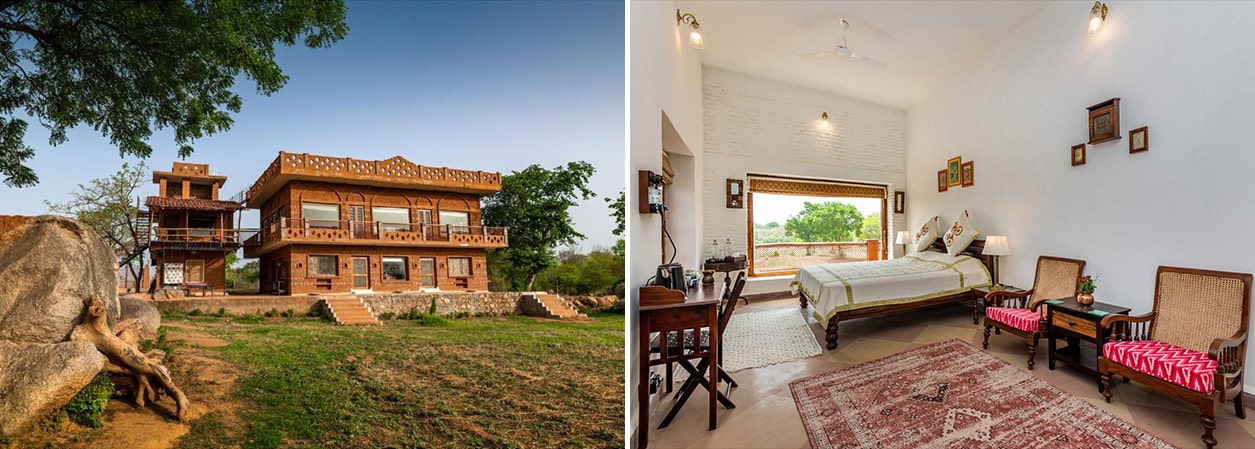
Stay Tuned for the detailed Madhya Pradesh Report by Kuntil Baruwa, Explorer, Destination Knowledge Centre.
Accommodations I stayed (excerpts from the report)
CHANDERA KOTHI – A Design-Led Riverside Retreat in Orchha
The 5-room Chandera Kothi, located beside the Betwa River, is an intimate and spacious boutique stay. It is ideal for travellers drawn to silence, solitude, and strong architectural character.
The interiors strike a graceful balance: earthy textures, muted colours, high ceilings, and elegant bathrooms. Furniture is bespoke, lighting subtle, and the décor draws inspiration from Bundeli heritage without feeling heavy. Each space opens to a courtyard, verandah, or river breeze.
Meals are home-style and seasonal, often served in the central courtyard or the riverside. This is the kind of place where you eat slowly, sleep deeply, and listen to birds.
YAYS
👍 Design-Led, Intimate Stay – With only 5 rooms, Chandera Kothi feels private and personal. Aesthetics are clean, local, and deeply considered.
👍 Perfect for guests who enjoy stillness and reflection – A place where time slows down, ideal for guests who enjoy calm surroundings and thoughtful solitude.
👍 Great Location – With the Betwa flowing right past, Chandera Kothi invites slow mornings and quiet evenings
👍 Riverside Views & Garden Spaces – Sit by the Betwa or under the neem trees with a book. No distractions. Just stillness and atmosphere.
👍 Kind, Low-Key Team – The staff are local and gentle in their ways. Service is attentive.
👍 Slow Travel Ethos – Meals are home-cooked with seasonal produce. Simple food with local vegetables, dal, and freshly made rotis (Indian breads). No rush. No menus. Just what is cooking today. Seasonal chutneys are a standout.
Conversations
Talk Bundeli Architecture & Design – The owner, from the erstwhile royal family of Tikamgarh, splits his time between Delhi, Mumbai, and Orchha. He is often around and happy to share stories about the design process, the land, and the intention behind starting Chandera Kothi.
NAYS
👎 Not a Full-Service Hotel – No 24-hour service, TV, or Staff-on-Call.
👎 Minimal Common Areas – Just a few lovely courtyards, verandahs and of course, the riverside.
👎 May Feel Too Quiet for Some – Ideal for couples or solo travellers who appreciates the quiet and peace; not geared toward families with young children.
👎 Limited Dining Choices Nearby – Guests will eat in most nights. Even a trip to the town centre doesn’t offer any options that meet our standards.
👎 Power Backup is Basic – Fans and lights run on inverter, but AC may take time to resume in the event of an outage.
👎 Hot Water Runs on Chandera Time – It takes about 10–15 minutes for the hot water to kick in. But time slows down at Chandera Kothi. Best embraced; not battled.
👎 No Pool, No Spa, No Bar – There is no pool, spa, or bar at Chandera Kothi. However, guests are welcome to bring their own alcohol. They have to just make sure to pick it up in Gwalior, as Orchha wine shops don’t stock much quality booze. Let the chauffeur know, and it can easily be arranged.
👎 Not Ideal for Those with Mobility Issues – The property is beautifully spread out, but reaching the dining areas and rooms involves climbing staircases. There’s only one room on the ground floor, though it does open onto a lovely courtyard. (subject to availability)
Inspiration
Book Review
By Kuntil Baruwa, Explorer, Destination Knowledge Centre
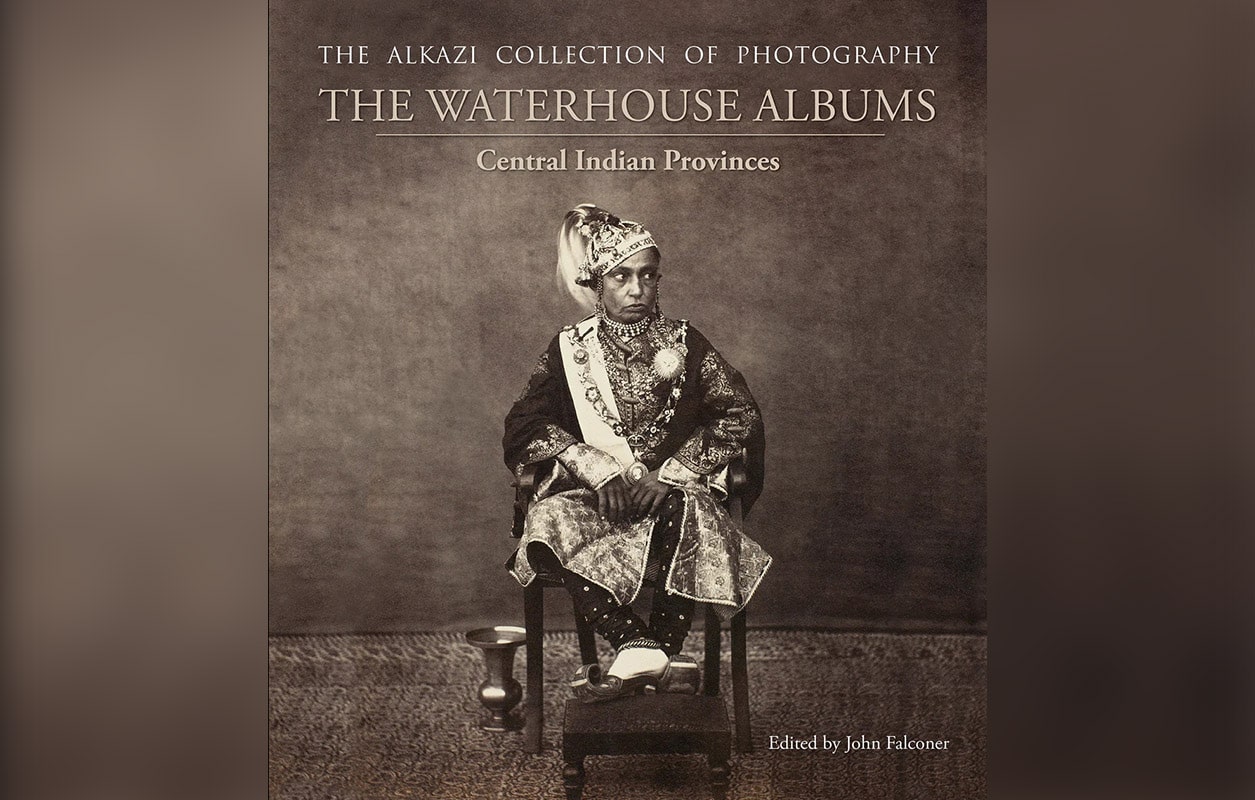
Waterhouse Albums: Central Indian Provinces by James Waterhouse
A coffee table book that traces the life of remarkable photographer James Waterhouse and his journey in 1862, where he spent almost an entire year photographing and documenting the people of Central India. He captured not just princely rulers and nobility, but people from different social and ethnic groups. From indigenous tribes to merchants, to holy men, to slaves, to farmers. All photographs are accompanied by detailed notes from the legendary photographer himself.
Waterhouse Albums: Central Indian Provinces contains 120 photographs, many of which are perhaps the first photographs of the now UNESCO World Heritage Site, the Buddhist complex at Sanchi. It also includes a series of rare, extraordinary portraits of the Begums of Bhopal, the women rulers who ruled with an iron hand for over 150 years of Bhopal’s 240-year-old history.
Festival to Watch Out For
Kochi-Muzuris Biennale 2026
12 December, 2025 – March 31, 2026
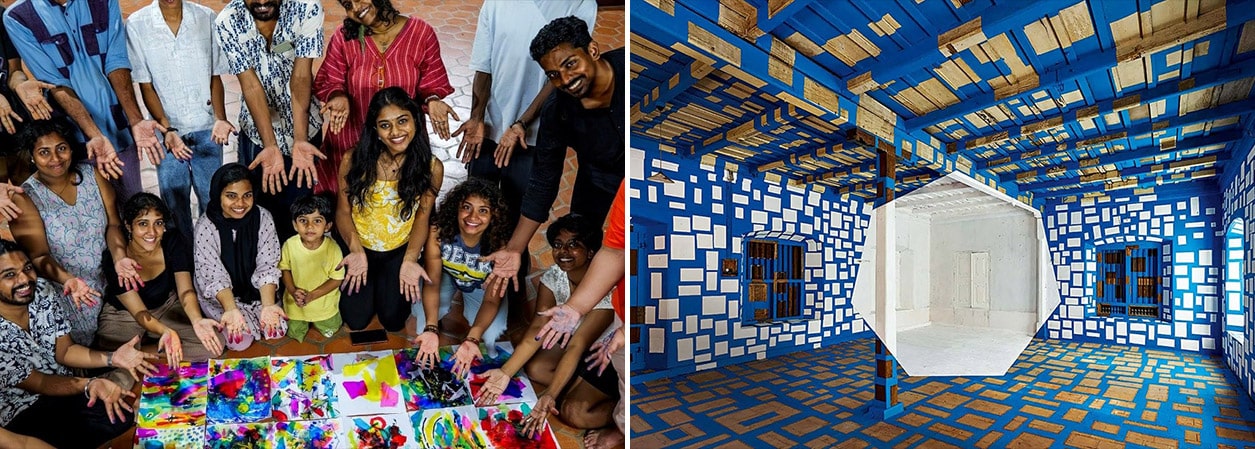
Every two years, Fort Kochi and Mattancherry become the venue for the Kochi-Muziris Biennale, which brings artists from different parts of the world. The whole town gets transformed into a giant art gallery.
This insider tour, designed by a friend of the Destination Knowledge Centre, will take guests through the stories of local artists who are not popular enough to be part of the Biennale, yet benefit from this big event. We look into what the Biennale means for local artists and the Kochiites, the local folks of Kochi.
Write to your relationship manager for a detailed itinerary and a copy of our Festival Calendar (2026-27)
Picture Gallery
Kochi-Muziris Biennale: Where Art Meets History
Every two years, Fort Kochi’s colonial warehouses, heritage buildings, and waterfront spaces come alive with contemporary art from across the globe, transforming this historic port city into India’s most ambitious cultural celebration








SIGN UP
RESOURCES
SITE LINKS
CONTACT US