



art of travel
What’s New
Compiled by Soma Paul, Product Manager, Destination Knowledge Centre
STAYS TO WATCH OUT FOR
New Hotels
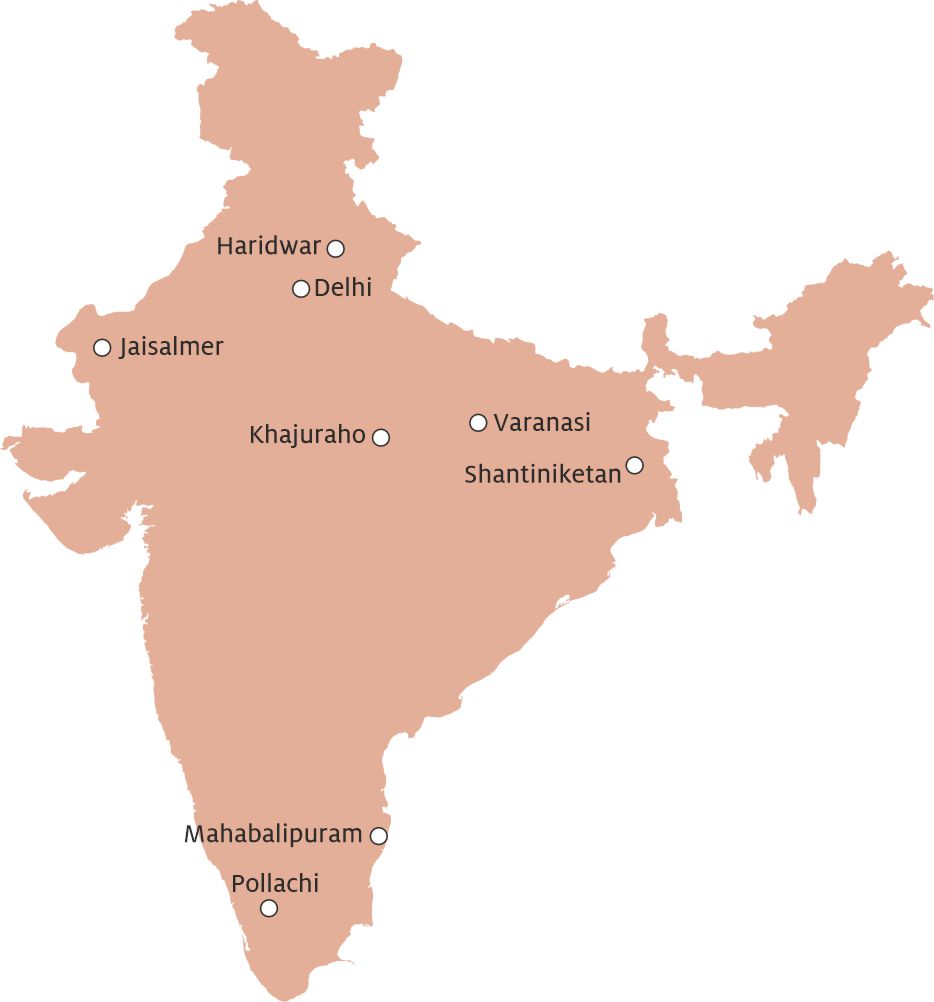
- Hotel Broadway, Delhi
- Hari Ganga Niwas, Haridwar, Uttarakhand
- Avantika by the Ganges, IHCL SeleQtions, Varanasi, Uttar Pradesh
- Durjay Garh, Jaisalmer, Rajasthan
- Srirangam Homestay, Shantiniketan, West Bengal
- The Oberoi Rajgarh Palace, near Khajuraho, Madhya Pradesh
- Pollachi River House, Pollachi, Tamil Nadu
- Isai Karai Bungalow, Mahabalipuram, Tamil Nadu
We Are Excited About
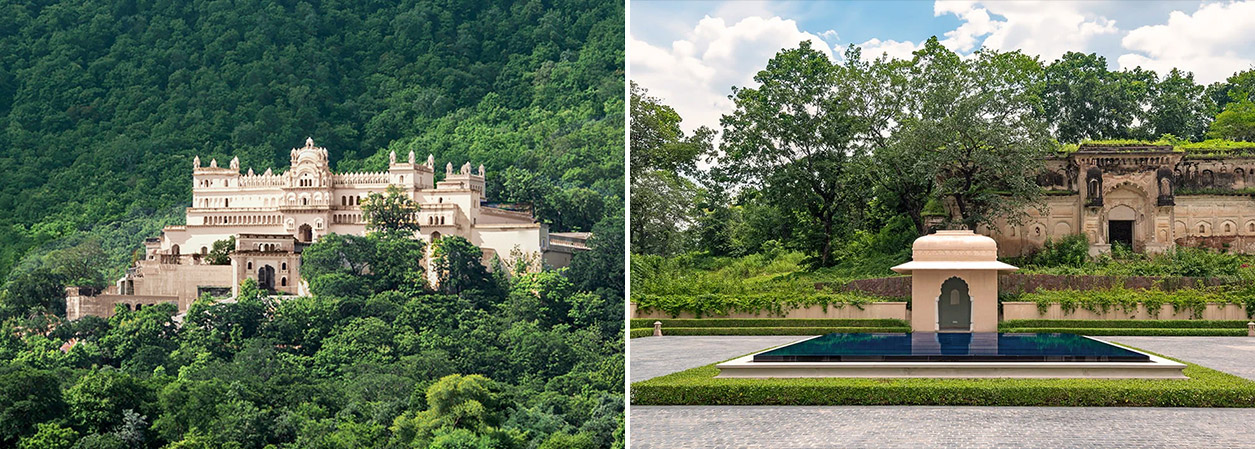
The Oberoi Rajgarh Palace, near Khajuraho, Madhya Pradesh
The Oberoi Rajgarh Palace marks The Oberoi Group’s newest opening and their oldest heritage property in India. The 350-year-old palace offers a rare mix of heritage and wilderness. It is just 15 minutes from Panna National Park and 30 minutes from the UNESCO World Heritage temples of Khajuraho.
Spread across 70 acres, the estate has 65 rooms and suites overlooking lush gardens and a serene lake. Guests have easy access to tiger safaris at Panna (Madla Gate) and explorations of Khajuraho’s ancient temple complex. Dining with panoramic views, spa rituals inspired by ancient traditions, and infinity pools complete the experience.
With its opening, Khajuraho emerges as a premier destination for discerning travellers. The town also serves as the gateway to Central India’s renowned tiger parks, including Bandhavgarh, Kanha, and Pench, all of which already offer accommodation of similar standards.
Write to your relationship manager for more details.
EXPERIENCES TO WATCH OUT FOR
New Experiences
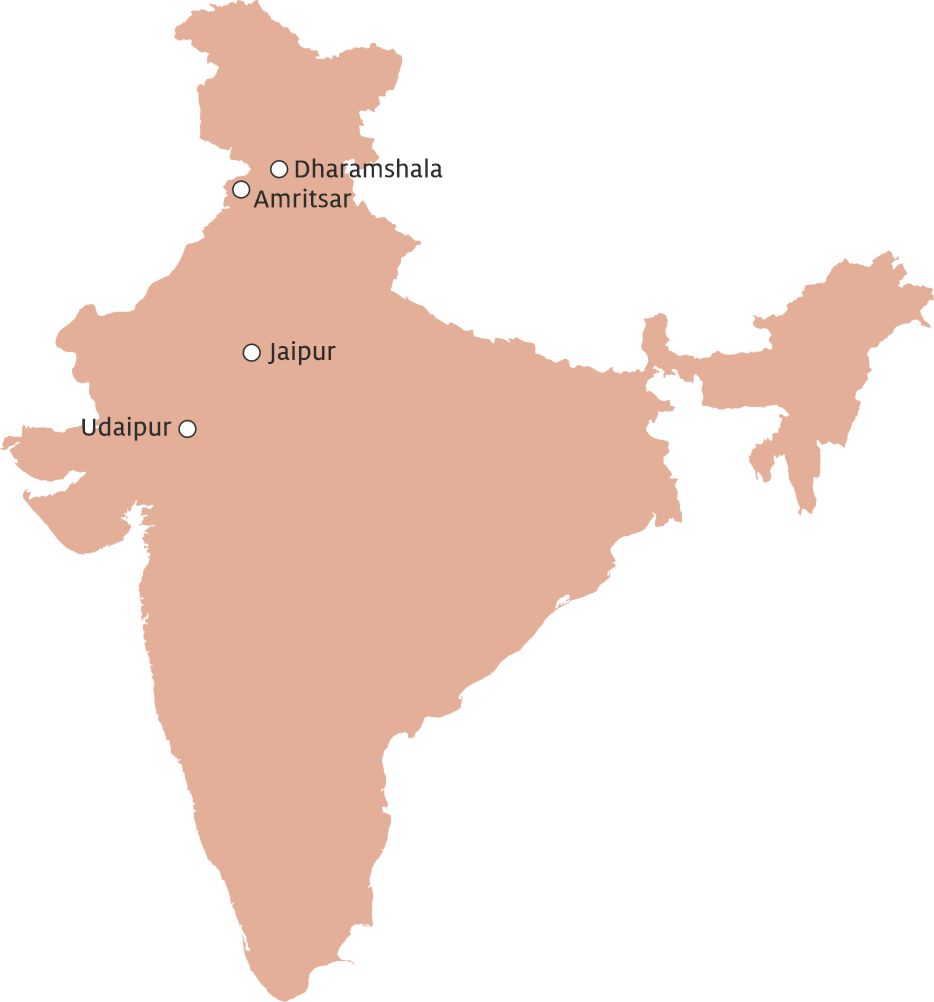
- A Dumpling Making Session, Dharamshala, Himachal Pradesh
- Masters of Chess, Amritsar, Punjab
- Tree-Free Paper Experience, Jaipur, Rajasthan
- Gupshup at Gharonda, Udaipur, Rajasthan
We Are Excited About
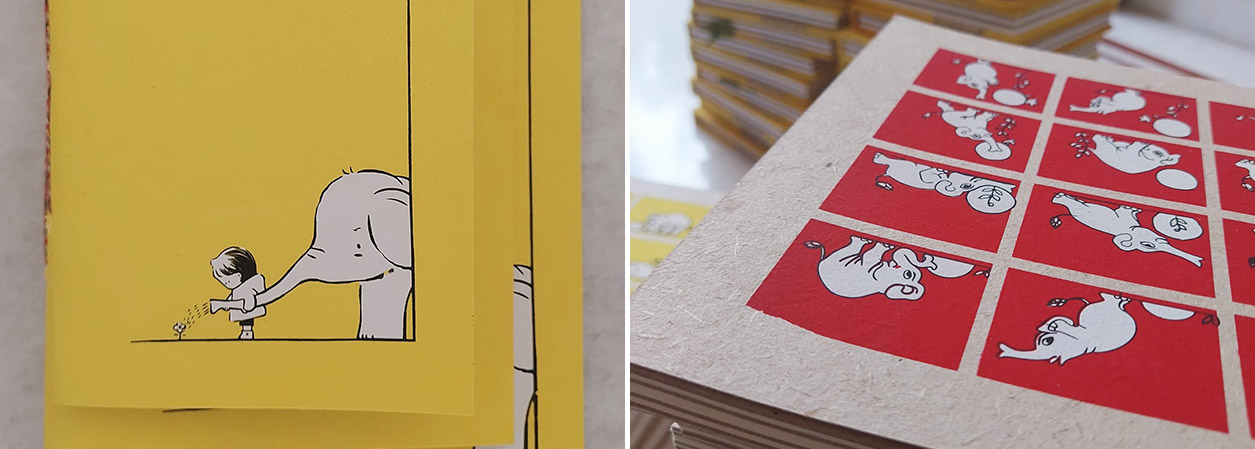
Tree-Free Paper Experience, Jaipur, Rajasthan
Discover the fascinating world of Tree-Free Paper. Learn how elephant dung is transformed into eco-friendly paper and innovative products, while supporting local women’s employment and community development.
Write to your relationship manager for more details.
ITINERARY OF THE MONTH
India’s Culinary Trail
Delhi – Jodhpur – Mumbai – Calicut – Thalassery – Thrissur – Kumarakom – Kochi
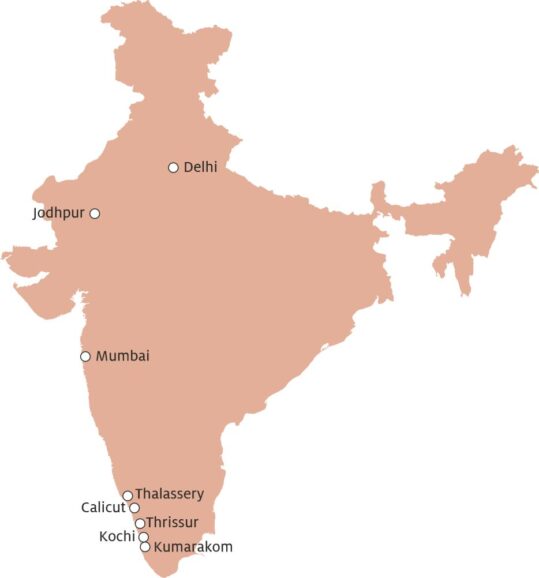
Highlights of the Tour
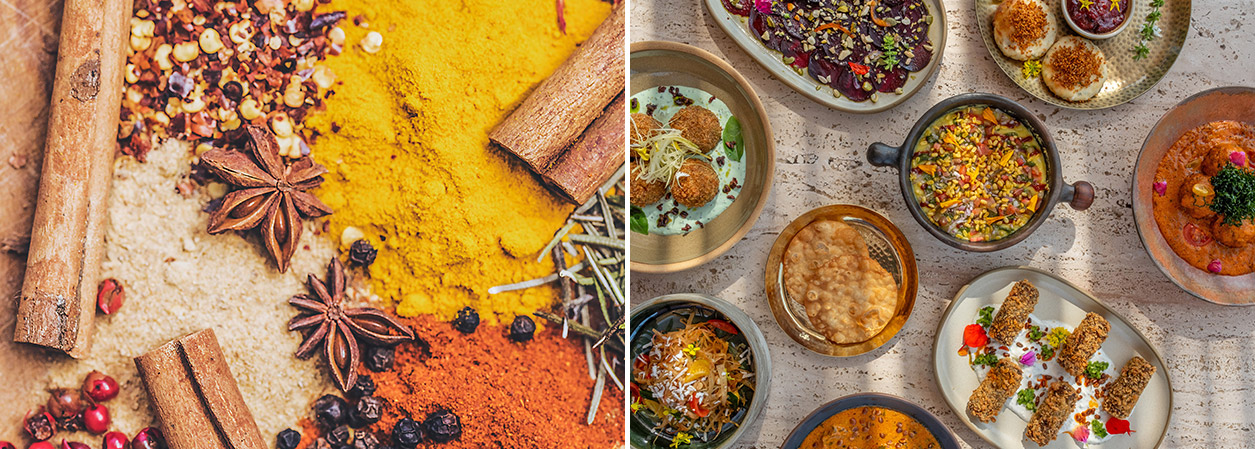
- Explore Old Delhi’s culinary culture on a food walk through Chandni Chowk.
- Join a family in the ‘blue city’ of Jodhpur for a cooking experience in their home.
- Spend two nights at Mharo Khet for their ‘Unlock your Inner Chef’ programme: an immersive farm tour, cooking class, and a nine-course dining experience.
- Visit the famous spice market in Mumbai followed by a spicy cocktail mixology session.
- Deep dive into Calicut’s famed local cuisine.
- In Kannur, enjoy a culinary experience with a local family featuring traditional food made only for sons-in-law.
- Learn to prepare a traditional Kerala vegetarian feast, served on banana leaves.
- Join a hands-on Syrian Christian cooking session.
- Spend a day in a Kerala fishing village witnessing live auction, cooking, and enjoying a delicious home cooked lunch.
- Meet diverse communities in Fort Kochi, followed by a home-cooked meal.
Write to your relationship manager for the detailed itinerary
RESTAURANT TO WATCH OUT FOR
New Restaurant
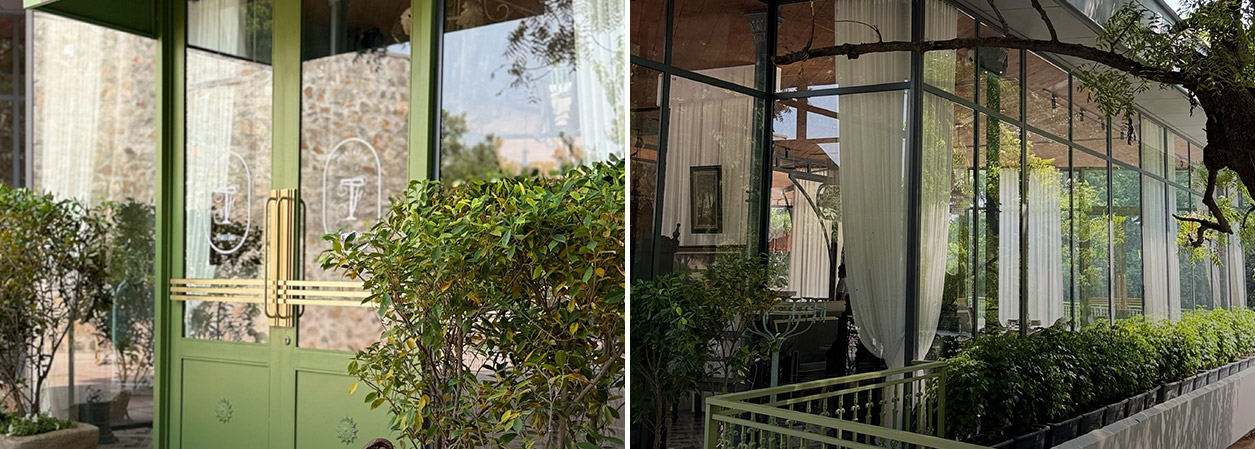
Forest Table, Delhi
Forest Table, located within the greens of Teen Murti, offers a rare escape in central Delhi. The lush setting and minimal décor, complemented by vintage pieces like wooden pianos and antique cabinets, create an old-world charm that feels worlds away from the city.
A short drive from Lutyens’ Delhi, the Diplomatic Enclave, and Connaught Place.
Weekends by reservation only
Write to your relationship manager for more details.
GOOD TO KNOW

Navi Mumbai International Airport
Navi Mumbai International Airport (D.B. Patil International Airport) opens for commercial operations on December 25, 2025, starting with limited 12-hour services. India’s first fully digital airport, it positions Mumbai as a two-airport city and a stronger aviation hub for the region.
Located about 40–45 kilometres from South Mumbai, the airport is accessible via the Sion-Panvel Highway, Palm Beach Road, and the Mumbai Trans Harbour Link. Dedicated airport shuttles will be introduced soon to improve connectivity.
Akasa Air will operate direct flights to Delhi, Goa, Kochi, and Ahmedabad from the new airport.
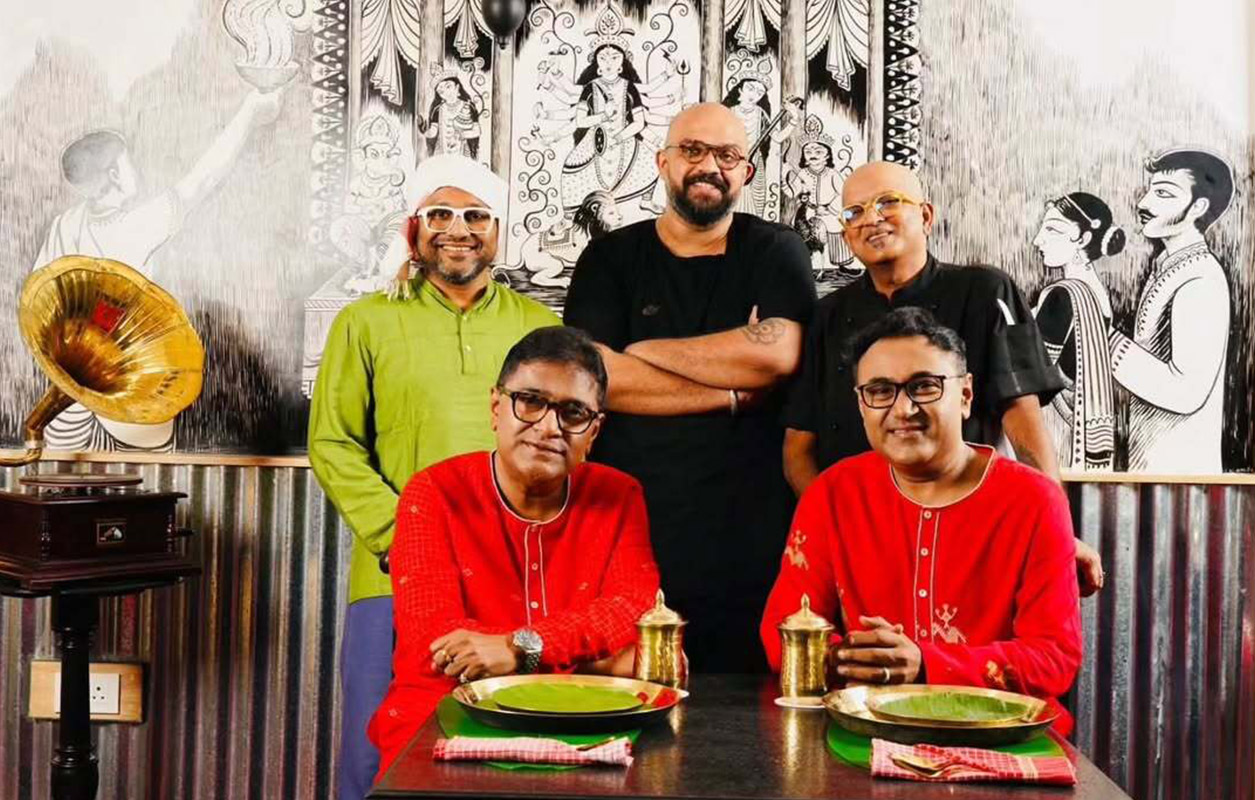
Finally, Authentic Pice-Hotel Food You Can Actually Recommend
Here is good news from Kolkata for our food-focused itineraries. We can now offer guests authentic pice-hotel cuisine in a contemporary and, most importantly, hygienic setting.
Kolkata’s pice hotels serve simple, home-style Bengali meals. They are one of the city’s most democratic food traditions. They remain time capsules of an older Kolkata, offering honest flavours without frills. But for travel planners, the problem was always hygiene. The Chaudhary Brothers have now solved this with their new restaurant in the Kalighat area.
Shiladitya and Debaditya Chaudhary are among Kolkata’s most recognisable restaurateurs. They have built successful brands like Oudh 1590, known for Awadhi style of cooking from Lucknow that uses slow, gentle techniques to produce tender meats, rich gravies and distinct layers of flavour. Chapter 2 is another venture that serves Anglo Indian cuisine, which relies on straightforward, hearty methods such as pan-frying, stewing and baking, bringing European and Indian culinary traditions together. Chaudhary and Company is their latest initiative, where they are now reimagining Bengal’s pice-hotel tradition in a modern, hygienic and guest-friendly format.
Write to your relationship manager for more details.
Phoenix in the Himalayas: Why Nepal’s Recovery Redefines Strength
By Dipak Deva, Managing Director, Travel Corporation India Ltd.
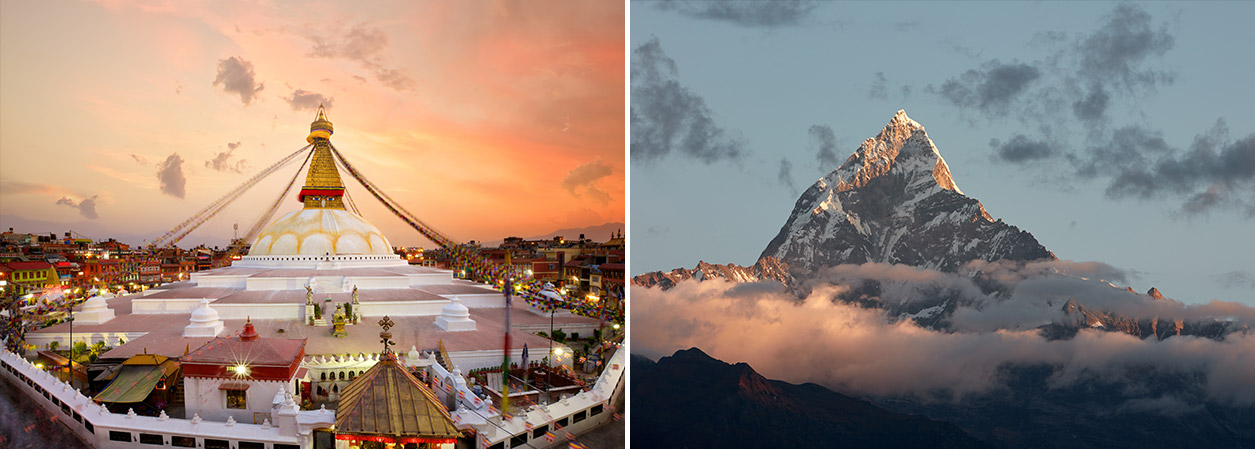
September 2025 was meant to test Nepal’s tourism sector. Gen Z protesters filled Kathmandu’s streets, demanding accountability after the government banned 26 social media platforms including Facebook, YouTube, and WhatsApp. For a nation where remittances account for over 26% of GDP, this was not just censorship. It cut off a lifeline. Hotels were damaged. Businesses temporarily closed. Sadly, multiple lives were lost in the unrest causing significant disruption to the tourism industry.
And then something remarkable happened.
By October, just weeks after the protests ended, Nepal recorded 128,443 international arrivals. This was a 3.3% increase over the previous year and nearly 96% of pre-pandemic levels. By November, the country crossed the one million tourist threshold for the first time in its history.
Let me say that again. Nepal went from social and political turmoil to record-breaking tourist numbers in a short period.
I have spent decades in this industry, navigating earthquakes, tsunamis, pandemics, and political upheaval across South Asia. I have never seen a destination recover this quickly. Nepal’s comeback shows us something profound. It is not just about tourism infrastructure. It is about what happens when a nation truly understands that tourism is not an industry but a lifeline.
What Nepal Got Right
The protests were not a rejection of Nepal. They were young Nepalis demanding a better version of their country. They asked for transparency, accountability, and good governance. Remarkably, the interim government listened.
Within days of the protests ending, Sushila Karki was appointed as interim Prime Minister, becoming Nepal’s first female leader. Elections were scheduled for March 2026. A relief package was announced. Tourism businesses affected by the protests received waivers on customs and excise duties for imported materials needed to resume operations. The Nepal Tourism Board relaunched its #NepalNow campaign, sharing live scenes from Kathmandu, Bhaktapur, Pokhara, and Chitwan. The message reassured travellers that the country was safe and open.
The real story was not what the government did. It was what the people did.
Hotel owners in Thamel worked around the clock to repair damage. Trekking companies kept their guides employed and ready. Small businesses reopened quickly. The message was clear. Nepal was not broken. It was catching its breath and preparing to thrive again.
The Decade Nepal Has Been Building Toward
Here is what most people miss about Nepal’s recovery. It did not start in September. It started years ago.
In 2022, Nepal announced the Visit Nepal Decade (2023-2033), a bold commitment to transform the country into South Asia’s premier destination. In 2025, the government unveiled its first comprehensive Tourism Policy in 17 years. The policy prioritised adventure tourism, mountaineering, trekking, white-water rafting, paragliding, and skydiving. Visa procedures were simplified. Integrated tourism service centres were established at major border points. A $5 million UNDP Sustainable Tourism Project was launched to create 2,500 jobs and train 5,000 workers.
The September protests did not derail this vision. If anything, they accelerated it.
In October 2025, foreign direct investment commitments in tourism totalled 1.46 billion Nepali Rupees across 103 projects. Investor confidence was not shaken. It was reinforced. Investors did not see chaos. They saw a country that could absorb a major shock and return to growth within weeks. That is the kind of long-term stability and adaptability you can build a business on.
Why This Matters for Travellers and Tour Operators
Nepal has always had unbeatable advantages. It has the Himalayas. Eight of the world’s ten highest peaks, including Everest. But equally, it has its people. The warmth of Nepali hospitality and the depth of its cultural heritage are irreplaceable. No amount of political turbulence changes this. Trekkers, mountaineers, adventure travellers, and cultural explorers do not cancel trips to Nepal because of street protests in Kathmandu.They postpone by weeks, not months. When they return, they come back in force.
There is something else happening now that smart operators should notice.
Nepal has spent the last three months upgrading infrastructure, modernising hotels, and investing in recovery. Peak awareness has not returned yet. International media moved on to other stories. Nervous travellers are still checking headlines. This creates a brief, valuable window. You can secure competitive pricing before demand fully rebounds. You can visit knowing that your trip directly supports a country that proved its commitment to tourism even in its darkest hour.
India remains Nepal’s largest source market, followed by the USA, UK, and China. The government’s campaign to attract 500,000 Chinese tourists during 2025 signals massive growth potential. But in December 2025, Nepal is still in that sweet spot. The destination has recovered but the crowds have not yet returned.
For tour operators, this is the moment to act. Lock in inventory. Build partnerships. Position yourself ahead of the curve. By mid-2026, everyone will be talking about Nepal’s comeback. The operators who act now will have first-mover advantage. Those who wait will be playing catch-up.
The Paradox of Strength
Nepal has always been full of paradoxes. It is deeply traditional yet forward-looking. It is one of the poorest countries in South Asia by GDP, yet it holds some of the world’s most valuable tourism assets. It is small and landlocked yet commands global attention every climbing season.
Now, it has added another paradox. It is a country that suffered one of its worst political crises in recent memory and emerged stronger, more determined, and more committed to tourism than ever before.
The next time you stand at the base of Everest, or watch the sunrise from Sarangkot, or walk through the ancient streets of Bhaktapur, remember this. Nepal did not just survive 2025. It proved why it deserves to be South Asia’s premier destination for the next decade.
Some destinations talk about recovery. Nepal just showed us what it looks like in practice.
Stories from India
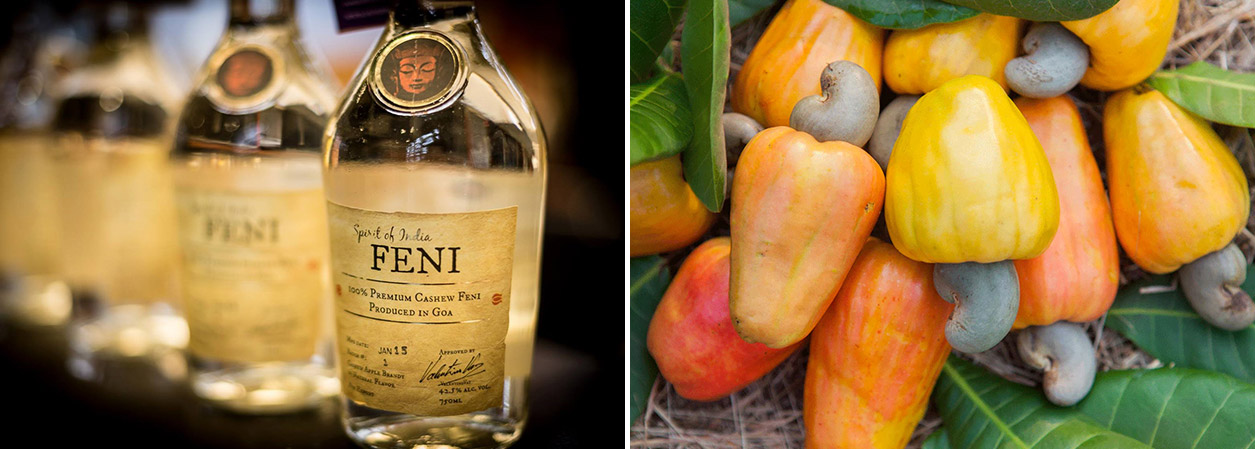
Feni: The Village Brew That Outsmarts the World
Alfred Rose’s Goemchi Feni (Goa’s Feni) Turns a Village Spirit into a Legendary Hero
By Kuntil Baruwa, Explorer, Destination Knowledge Centre
Long before Goa’s feni appeared on chic bar menus, singer, composer, and actor, Alfred Rose (1932-2003) had already turned it into a legend. In 1966, he released his now-classic Konkani song, Goemchi Feni (Goa’s Feni) that treats feni like a Goan folk hero, a village-made spirit that outshines the glamorous drinks of the world. It tells the story of feni, which he calls the national drink of Goa that even cures influenza, more vividly than any guidebook.
In the song, Goans call feni their queen. She appears in every village and stands proudly in old glass bottles. People argue about her, boast about her and insist their own village makes the smoothest batch. Even the stomach becomes part of the debate with the line about it going krink krink, proof that Konkani humour can make even digestion sound poetic.
The song soon leaves Goa and glances at the wider world. In Beirut, the preferred drink is arak. In Russia, it is vodka. During festivals elsewhere, communities proudly offer their own traditional spirits. Against this backdrop, Alfred Rose wonders what happens when travellers finally arrive in Goa. According to him, everything else fades and their attention settles entirely on feni, which makes them float gently like the Milky Ocean, a playful nod to Goa’s legendary Dudh Sagar Falls.
Another verse imagines a European company somewhere in the Arab world tasting feni for the first time. They are stunned. Days pass and they are still trying to understand what they have just experienced. Panic follows. They even consider giving feni a new name because they fear it might challenge their celebrated European drinks.
The exaggeration feels playful, but it also tells how Goans treat feni. It is a village original with its own mood and mischief, shaped by hand-pressed cashew fruit, age-old techniques and smoky distillation pots. The humour of the song becomes a doorway into this world, where feni is less a drink and more a spirited character that refuses to behave like anything else on the shelf.
For travellers, Alfred Rose’s lyrics offer the most enjoyable introduction to feni. They show how a humble village drink became a cultural symbol. It is quirky, bold and unmistakably Goan.
Now that you know the story, try this on your visit to Goa. Mention Alfred Rose and his Goemchi Feni (Goa’s Feni) to your guide. Try humming the tune. Watch the reaction and if the face lights up, you will know you have unlocked one of Goa’s favourite secrets.
Goemchi Feni (Goa’s Feni)
[VERSE 1]
Everyone says you are Goa’s queen.
In every Goan heart, there is one beloved story.
In so many villages you are brewed and kept standing in bottles.
Whoever meets me talks about only one thing, Goa’s own feni.
[CHORUS 1]
Feni wakes you up in the morning, your stomach goes krink krink.
Even your thoughts start shrinking.
If I think about it calmly, it feels good and looks perfect to me.
Feni is Goa’s National Drink.
Goa’s government should make feni the national drink.
[VERSE 2]
In the villages of Beirut, they offer you arrack.
In the lands of Russia, they offer you vodka to drink.
In other countries, during their festivals, they proudly serve their own drinks.
But when someone comes to Goa, they immediately get drunk on feni.
[CHORUS 2]
If you drink feni properly, it enters your throat smoothly.
It even helps when you have influenza.
If you drink old feni, you float gently like the Milky Ocean.
But now they mix it with soda-water.
What to say, what to do, drop the anchor of displeasure.
[VERSE 3]
In an Arab country, there is a European company.
They sell women’s liquor in shiny glasses.
When they tasted Goa’s feni from a bottle,
They were shocked and could not believe it for days.
[CHORUS 3]
The businessmen panicked and started thinking.
They wanted to bring feni into their market with a new name.
If feni gets into their bars,
Their European liquor will lose its name.
Let Europe be Europe and who cares, but no one can beat feni.
Oh Feni, la la la la, Feni.
Sustainability and Us
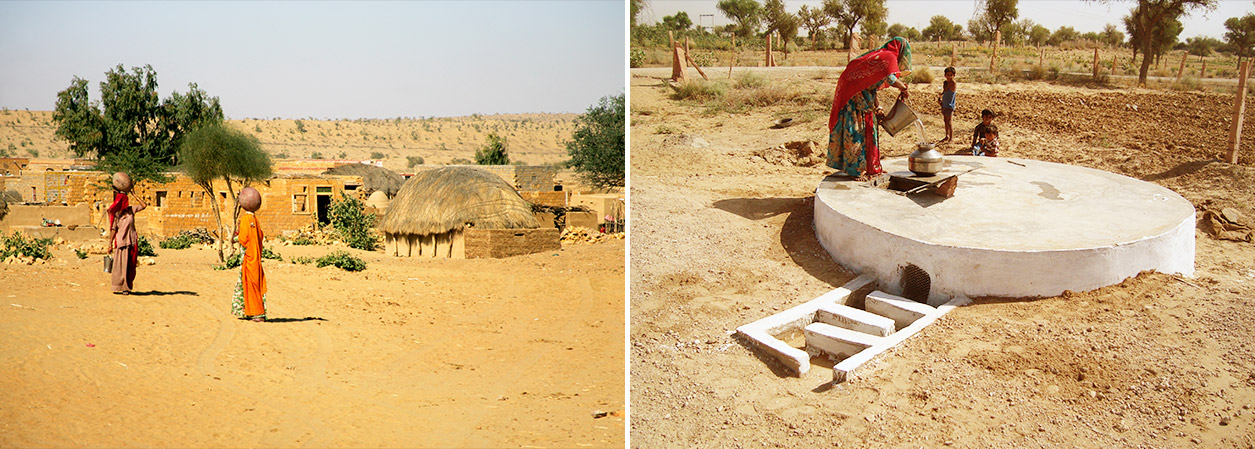
Where Every Drop Is Architecture: The Water Wisdom of Rajasthan’s Thar Desert
By the Sustainability Team
The Thar Desert of Rajasthan receives between 100 and 500 millimetres of rain annually, with roughly 90 per cent falling during the southwest monsoon between July and September. That short burst of rain is followed by ten long months of heat and dust.
Yet the Thar has the highest human and cattle density of any large desert in the world. This is not in spite of water scarcity. It is because communities learned to treat every monsoon drop as if their survival depended on it.
When rain is scarce, you do not waste it. You catch it. You store it. You protect it. You allow it to sink deep into the earth, out of reach of the desert sun. The people of the Thar developed systems so refined that modern engineers continue to study them as functional models rather than relics.
Consider the Taanka, an underground cistern that collects rainwater from rooftops and courtyards. It is built from stone, brick and lime mortar. Filtered inlets keep debris out. A well-made Taanka can last for decades. Without one, families walked long distances to unsafe surface water. With one, clean drinking water sat beneath their courtyard months after the rains had ended.
The Khadin is an embankment that blocks runoff at the foot of low hills. Monsoon water pools behind it and slowly saturates the soil. Farmers can then grow crops on that moisture for half the year without needing irrigation. No pumps. No pipes. Just an understanding of how water behaves on dry land when it is slowed down.
The Kund resembles an upturned cup set inside a shallow saucer. Rainwater from the sloping catchment flows into the central well. Mesh screens keep out debris. A traditional coating of lime and ash keeps the water clean. In areas where groundwater is too saline, the Kund is the difference between staying and leaving.
These systems stand out for their precision. Every feature has a purpose. People knew which soils compact well, which slopes gather the most runoff, and how to line a structure so the stored water did not seep away. This knowledge did not come from external technology. It came from living in direct conversation with a demanding landscape. You either understood how water moves through sand and stone, or you did not survive.
But water in Rajasthan was never merely about survival. It infused cultural life as much as it shaped engineering. The first monsoon rains are welcomed with songs that celebrate relief after months of heat. Textiles carry rain motifs like Leheriya and Mothra, patterns inspired by the movement of flowing water and the ripples of sudden showers. Stepwells and village wells serve as gathering places where women meet, sing and exchange news. Festivals such as Teej honour the monsoon with swings, green bangles and seasonal foods that mark the return of life to the desert. Even blessings often reference water, because to wish someone prosperity in Rajasthan is to wish them water.
Yet with the arrival of piped water in the twentieth century, many of these traditional systems fell into neglect. A tap felt easier than maintaining a Taanka. But piped water depends on fuel, infrastructure and politics. During droughts and breakdowns, communities turned back to what earlier generations had mastered. Some systems have been revived, although many remain damaged or forgotten.
Mining, outmigration and rapid road building now threaten what survives.
Still, the Thar’s water systems are more than engineering skill. They show a way of thinking in which water is not extracted but worked with, conserved and honoured. These structures were cared for collectively. They were woven into daily life and culture.
Visitors to Rajasthan often marvel at forts and stepwells. Yet the real brilliance lies in the community-built systems that made life possible in one of the harshest environments on earth. They were built to last, not to impress.
In an India facing growing water scarcity, where monsoon failures leave Rajasthan’s farmers struggling and Tamil Nadu’s reservoirs running perilously low, the Thar’s wisdom feels less like history and more like a map we had forgotten to follow.
Karnataka Travel Diary: 47 Field Notes From the Road
Stay Tuned for the detailed Travel Report by Kuntil Baruwa, Explorer, Destination Knowledge Centre.
Between 1 and 16 November 2025, I travelled through Karnataka, moving from Goa through Sawantwadi, Badami, Hampi, Hassan, and Mysore.
I wrote 47 field notes along the way. Observations, encounters, and moments that shaped the journey.
# Field Note 39
# Mysore
DEVARAJA MARKET
A lively, colourful change of pace after days of art, temples and architecture
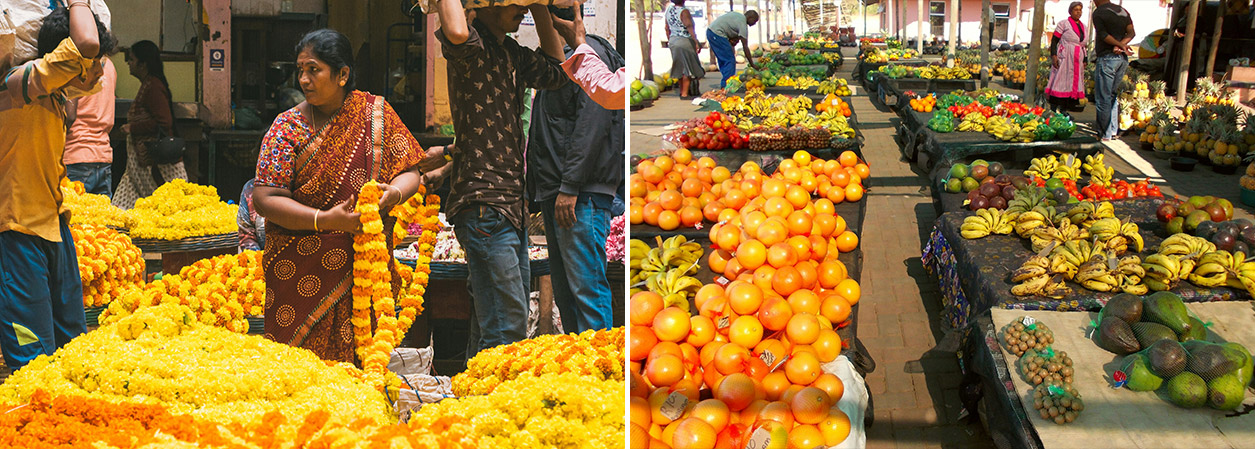
After exploring the monumental architecture and sculpture of Badami, Hampi, and Hassan, Devaraja Market in Mysore offers a welcome change. This is where the city’s everyday life takes centre stage. The moment you step inside, you are surrounded by jasmine garlands, pyramids of colourful rangoli powder, stacks of fruit, incense stalls, and rows of oil perfumes. It is vivid, noisy, fragrant, and wonderfully human.
What makes it such a perfect starting point for Mysore is how quickly it connects you to the city’s pulse. The whole market grounds you in the present and gives you a taste of the Mysore that locals know and love. You are no longer looking at history carved in stone but meeting the people who carry the city forward every day. Vendors chat warmly, flower sellers work with astonishing precision, and the energy feels open and inviting.
For guests who enjoy photography, this is one of the best spots in the city. The colours, textures, and faces make it ideal for a gentle photo walk, and stall owners are generally happy to be photographed or to show you what they are selling.
Write to your relationship manager to access the full Karnataka Travel Diary.
Inspiration
Book Review
By Lovleen Sagar, Executive Vice President, Destination Knowledge Centre
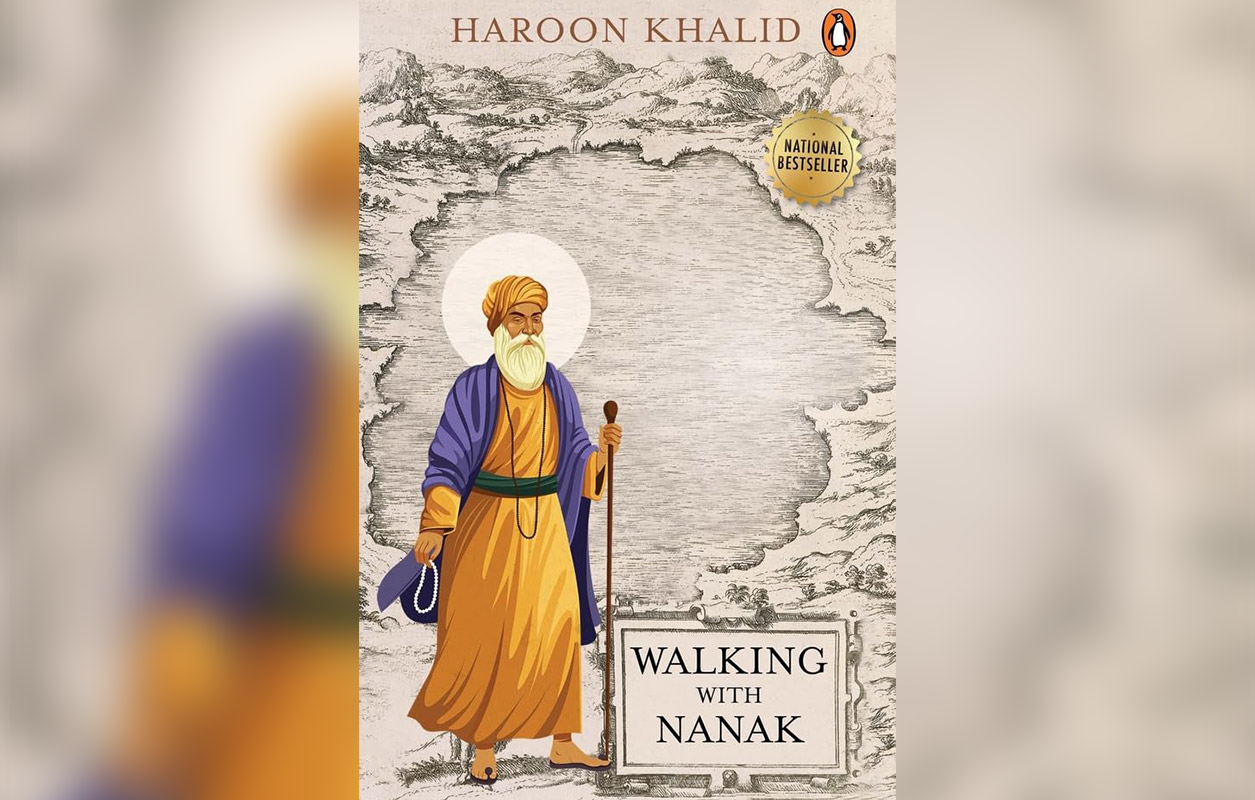
WALKING WITH NANAK
Written by Haroon Khalid
In this simply written book, which is almost a travelogue full of stories, Haroon Khalid retraces the steps of Guru Nanak, the founder of Sikhism who believed in monotheism. Nanak and his rubab-playing Muslim companion Bhai Mardana covered the length and breadth of South Asia wandering on foot for over 24 years. The author and his mentor Iqbal Qaiser take on this arduous journey travelling to 11 cities in Pakistan, as if they were reliving and recreating the magic of the original journeys. “Khalid reconstructs the world of Guru Nanak, straddling the tolerance of the past and the intolerance of the present, trying to see stories of tolerance in the current madness, trying to see hope in the syncretic culture of the Hindu shrines visited by Muslims and the Muslim dargahs visited by Hindus,” writes journalist Lamat Hasan.
Khalid was fascinated by Babur Bani, a poem Nanak wrote when Babur attacked Lahore and drawing from the Janamsakhis (the Sikh texts on Nanak’s life), Nanak’s poetry and his travels, Khalid decided to follow Nanak’s trail to understand him better.
The journey was not easy. It drew attention to the contradictions within Sikhism, the reversal of its very fundamental founding principle in the centuries that followed Nanak. His belief against the institutionalisation of religion was transformed. The Janamsakhis, the Sikh texts on Nanak’s life, were glorious accounts of his miracles; accounts that Nanak abhorred. The institution of guruhood was formalised – though Nanak bypassed his son to confer his mantle on his most deserving disciple.
Relying on the oral retelling of history, Khalid manages to bring Guru Nanak to life, taking the readers along. What fascinated me most about this book was the reassurance that travelling is the best education you can give yourself. The journeys reveal subtle cultures, histories and philosophies that shape understanding in ways no classroom or guidebook can.
Festival to Watch Out For
Kala Ghoda Art Festival
31 January – 8 February, 2026
Mumbai
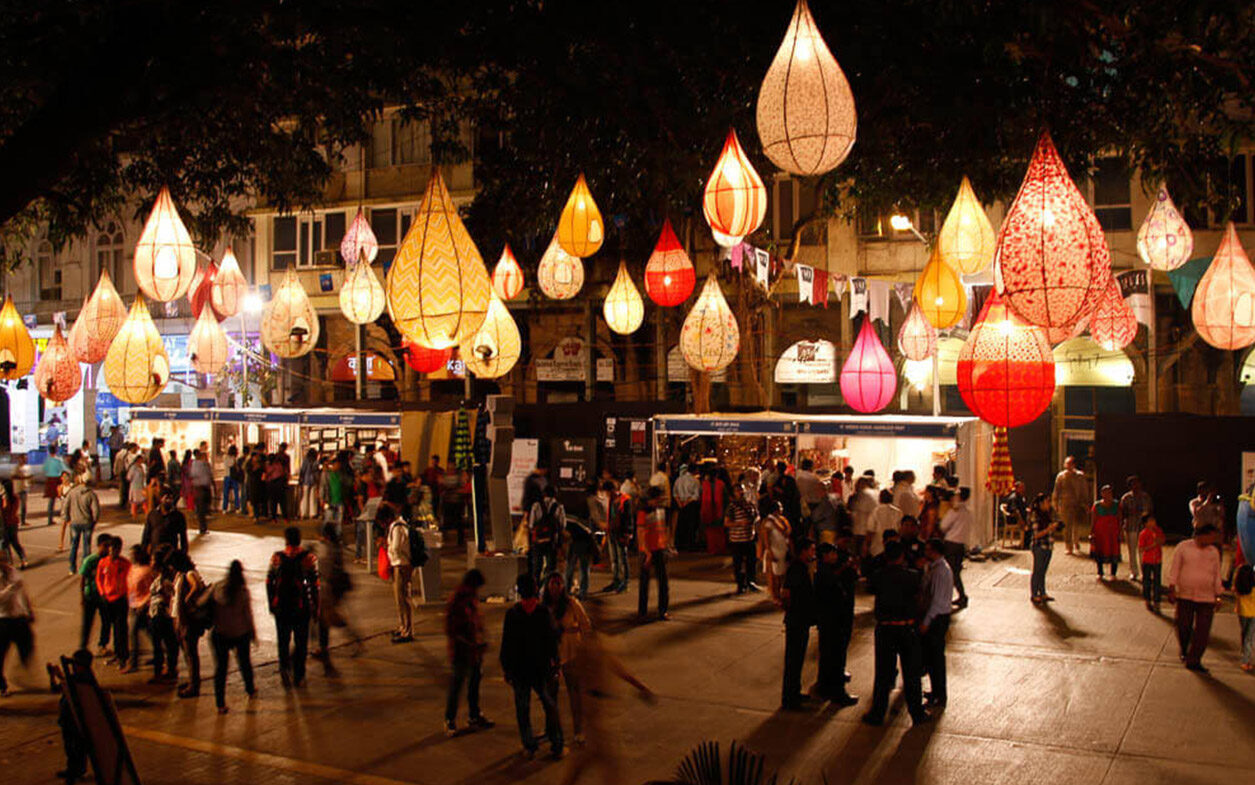
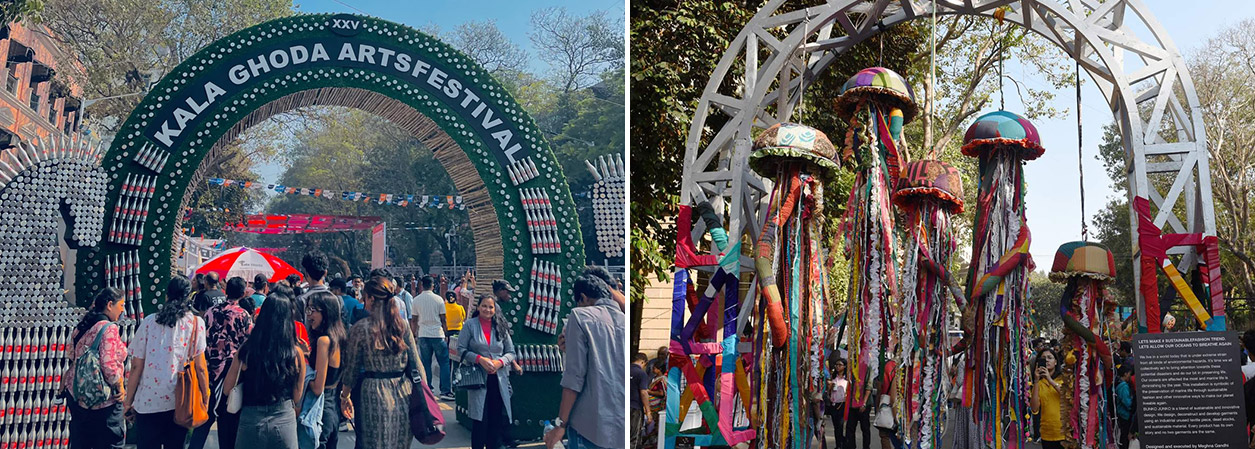
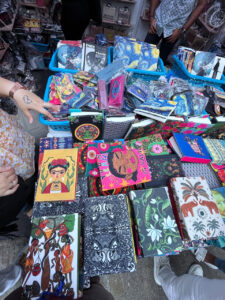
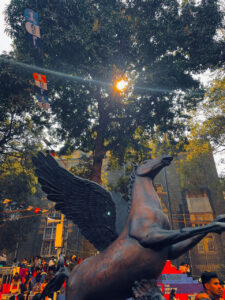
The Kala Ghoda Arts Festival is a community celebration of the arts within one of the most beautiful and historic precincts of Mumbai, The Kala Ghoda Art District. It is nine day long annual festival and is created to draw attention towards the development of the area, restoring buildings and porticos, building people-friendly street furniture and improving the amenities. Several heritage buildings and institutions in the area have benefited from this. With a mix of music, dance, theatre, literature, food, street stalls, cinema, workshops, visual arts, urban design, architecture and heritage walks, the festival continues to present a medley of arts for the city to savour.
Highlights:
- Held in Mumbai, it is one of the biggest free art and culture festival in the world.
- Funds raised from the festival go towards the restoration and upkeep of the area.
Picture Gallery
Kala Ghoda Art Festival
Nine days of art, performance, and creative chaos in South Mumbai
The Kala Ghoda Arts Festival transforms a historic South Mumbai neighbourhood into an open-air celebration of art, performance, and public creativity each February. Here are glimpses from the festival, where the streets become galleries and every corner hold something unexpected.

SIGN UP
RESOURCES
SITE LINKS
CONTACT US