



art of travel
What’s New
Compiled by Soma Paul, Product Manager, Destination Knowledge Centre
STAYS TO WATCH OUT FOR
New Hotels
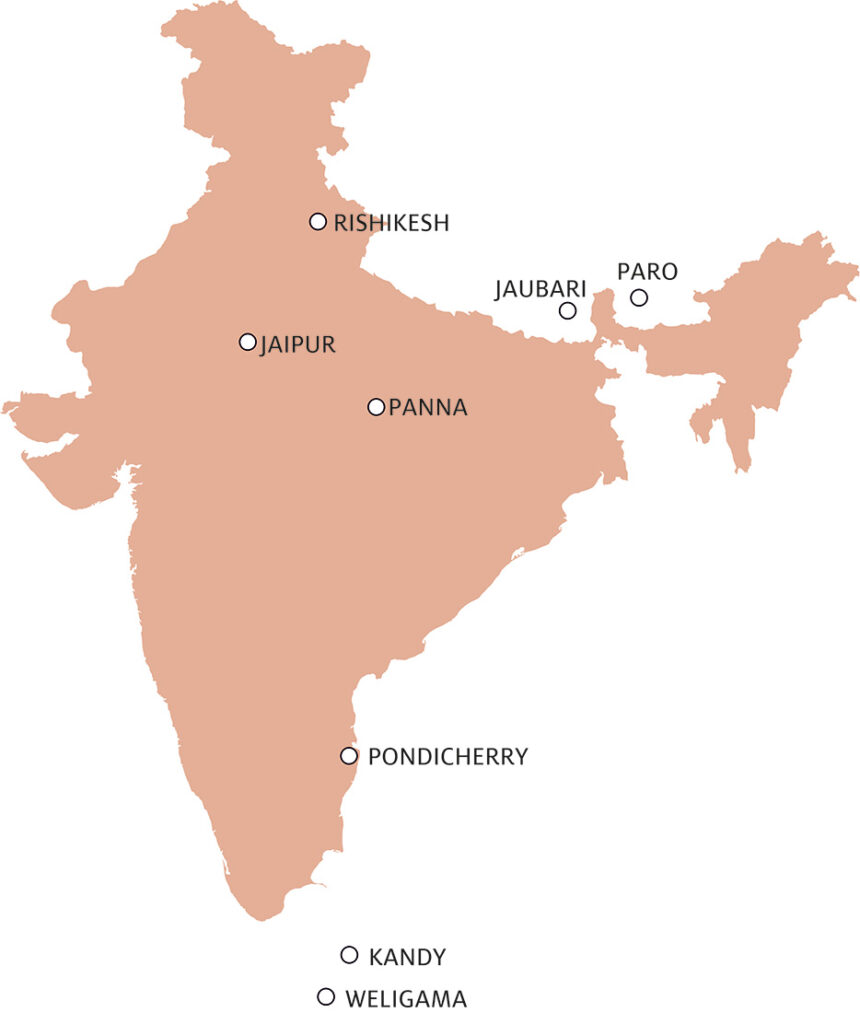
- Amritara Chakra River Resort, Rishikesh, Uttarakhand
- Storii By ITC Hotels Castle Kanota, near Jaipur, Rajasthan
- Abode, Jaipur, Rajasthan
- CAMP Jhinna, Panna, Madhya Pradesh
- Sanctuary Amaidiyana, Pondicherry
- Red Panda Outpost, Jaubari, Nepal
- Taj Paro Resort and Spa, Paro, Bhutan
- Taru Villas Levita, Kandy, Sri Lanka
- Clingendael, Weligama, Sri Lanka
We Are Excited About
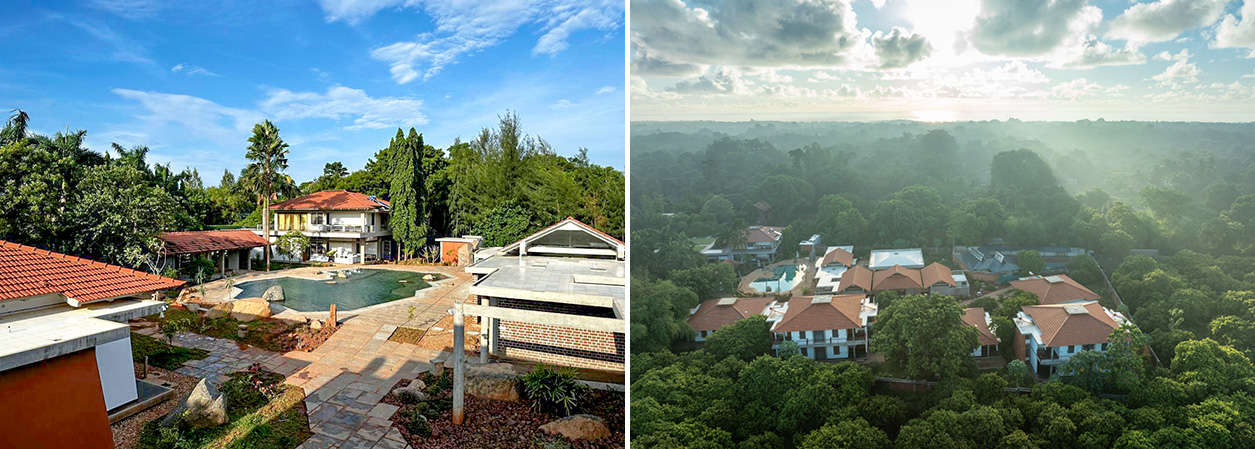
Sanctuary Amaidiyana – A CGH Earth Experience, near Auroville, Pondicherry, India
Sanctuary Amaidiyana is the latest property from the CGH Earth group. The wellness retreat near Auroville has 22 rooms, including wellness-focused suites. The architecture uses sustainable materials and local craftsmanship. It is approximately 15 minutes from Pondicherry’s French Quarters and about 3 hours from Chennai by road. Sanctuary Amaidiyana offers Ayurveda, yoga, meditation, Watsu aqua therapy, and creative workshops such as block printing, bamboo and coconut crafting, and drumming.
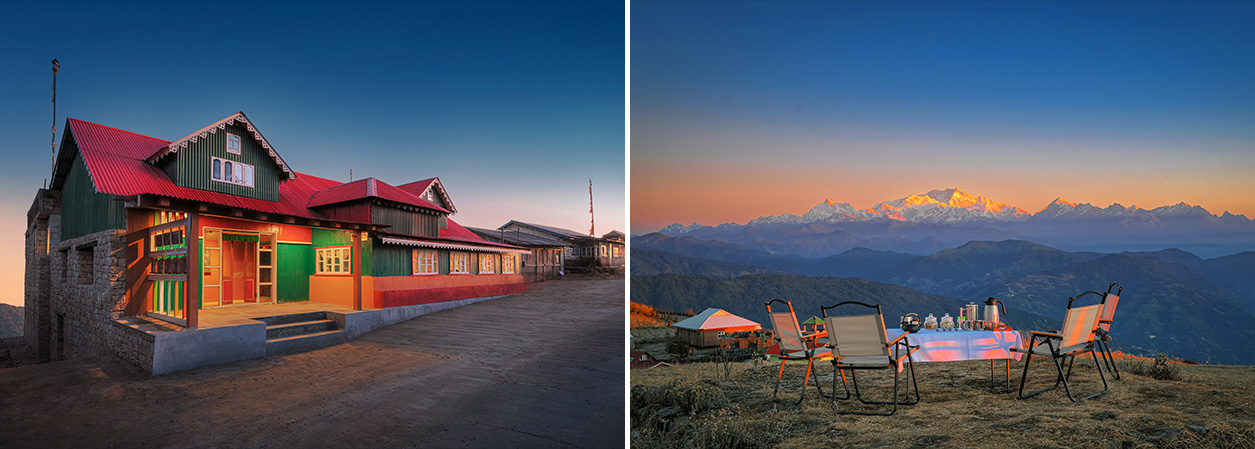
Red Panda Outpost, Jaubari, Nepal
Pugdundee Safaris has opened the Red Panda Outpost, an eco-homestay in Nepal. Located in the Buddhist village of Jaubari, the property sits on the edge of Singalila National Park, a Himalayan forest at the tri-junction of West Bengal, Sikkim, and Nepal, home to the endangered Red Panda.
The six-room teahouse sits at an elevation of 9,400 feet (2900 metres) above the sea level. Lunches feature regional thalis, while dinners combine local flavours with select Indian and global dishes. Red Panda Outpost works with local NGOs and the Forest Department to support Red Panda conservation and protect the Singalila ecosystem.
Bagdogra Airport is the nearest gateway for travellers (approximately six hours by road), while guests within Nepal can fly into Bhadrapur Airport, followed by a four-hour drive. Singalila is also famous for providing views of the world’s highest peaks, including Kanchenjunga, Makalu, Lhotse, and Mount Everest on a clear day. A stay of a minimum of 7 nights is recommended.
Write to your relationship manager for more details.
EXPERIENCES TO WATCH OUT FOR
New Experiences
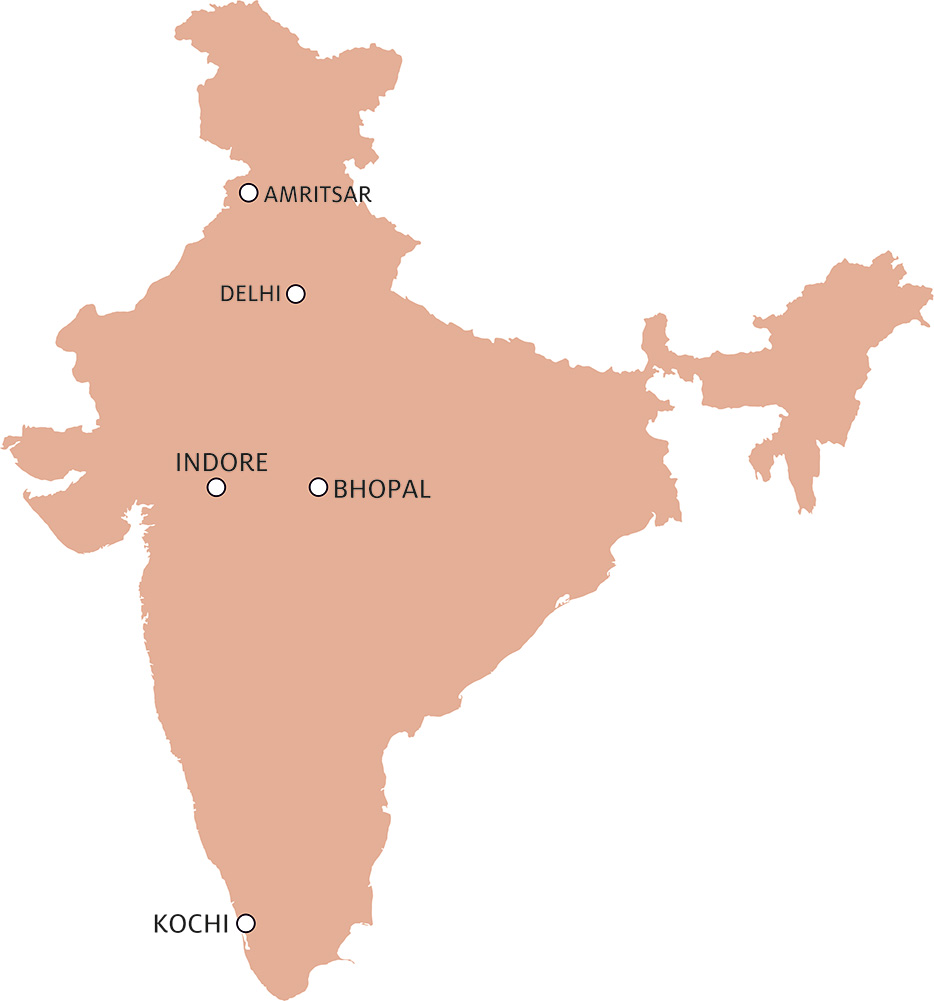
- An Edible History of Amritsar, Amritsar, Punjab
- The Alchemist’s Wisdom – An Ancient Infusion Experience, Delhi
- Bhoj to Begums, Bhopal, Madhya Pradesh
- Power, Memory and the making of a city, Indore, Madhya Pradesh
- Fort Kochi Contour Cruise, Kochi, Kerala
We Are Excited About
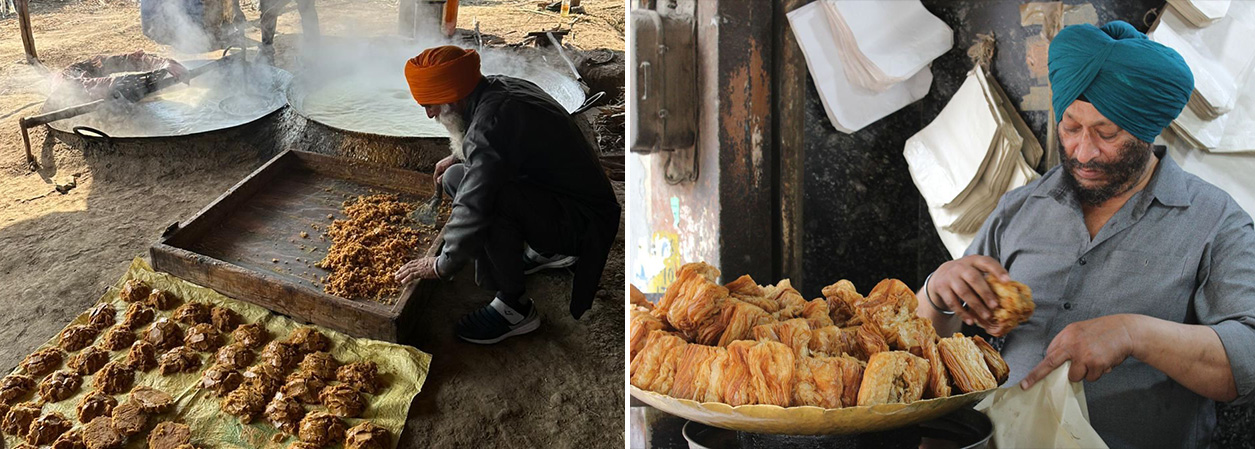
An Edible History of Amritsar, Amritsar, Punjab
This tour combines flavours, cultural storytelling, and interactions with local cooks and vendors. Learn how food tells the story of Amritsar’s traditions, migrations, and community spirit.
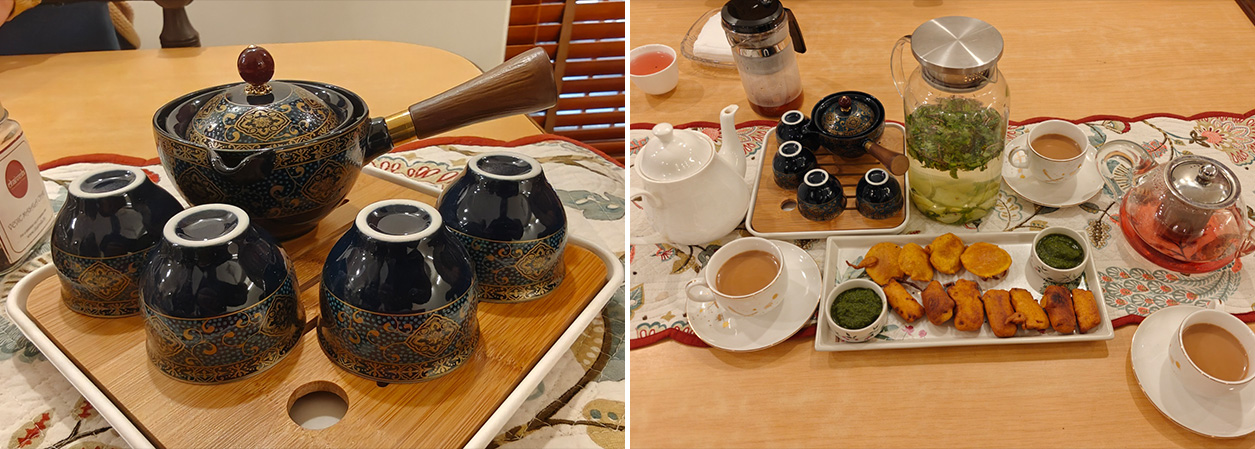
The Alchemist’s Wisdom – An Ancient Infusion Experience, Delhi
The experience explores botanical infusions led by a master of herbal mixology.
Write to your relationship manager for more details.
ITINERARY OF THE MONTH
Through Her Eyes
A Cultural Continuum Across North and East India
Delhi – Jaipur – Agra – Lucknow – Varanasi – Kolkata
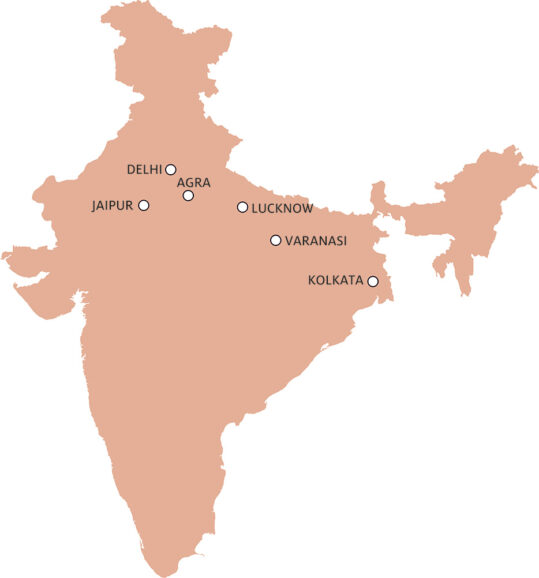
For women exploring India in a group or as a solo traveller, every encounter can become a dialogue: with tradition, with creativity, with community, and with the self.
Here is our recommended itinerary for exploring India through her eyes.
Highlights of the Tour
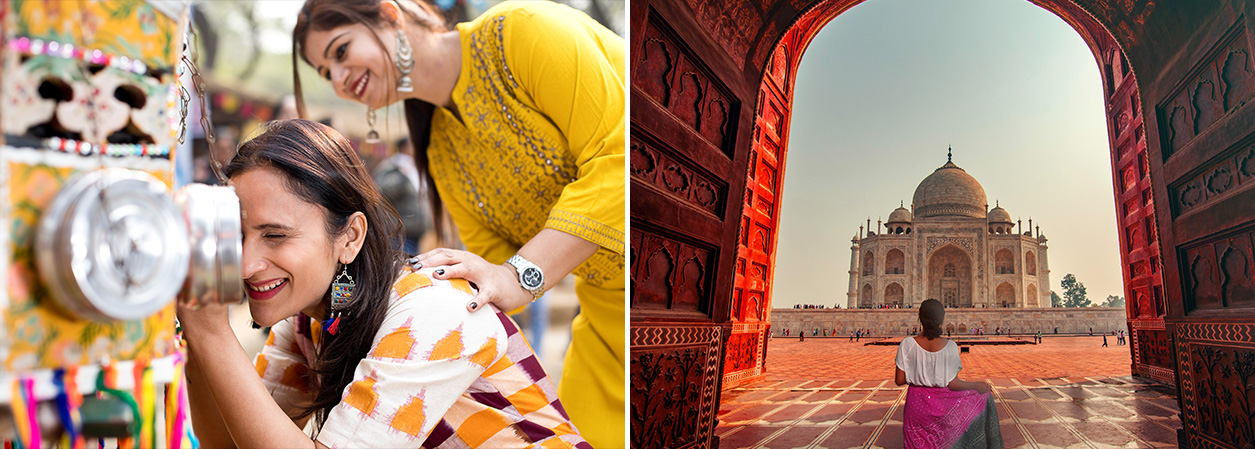
- The programme features women guides and trip leaders, from female auto rickshaw drivers to savvy local experts.
- Accommodations are chosen for being women-led or strongly women-friendly, with a focus on security, comfort, and thoughtful details for female guests.
- Leisure time is intentionally built in for spa rituals, unhurried shopping, and simply enjoying the hotel facilities at one’s own pace.
- Every experience includes elements that interest women travellers.
Write to your relationship manager for the detailed itinerary
DESTINATION UPDATE
Agra
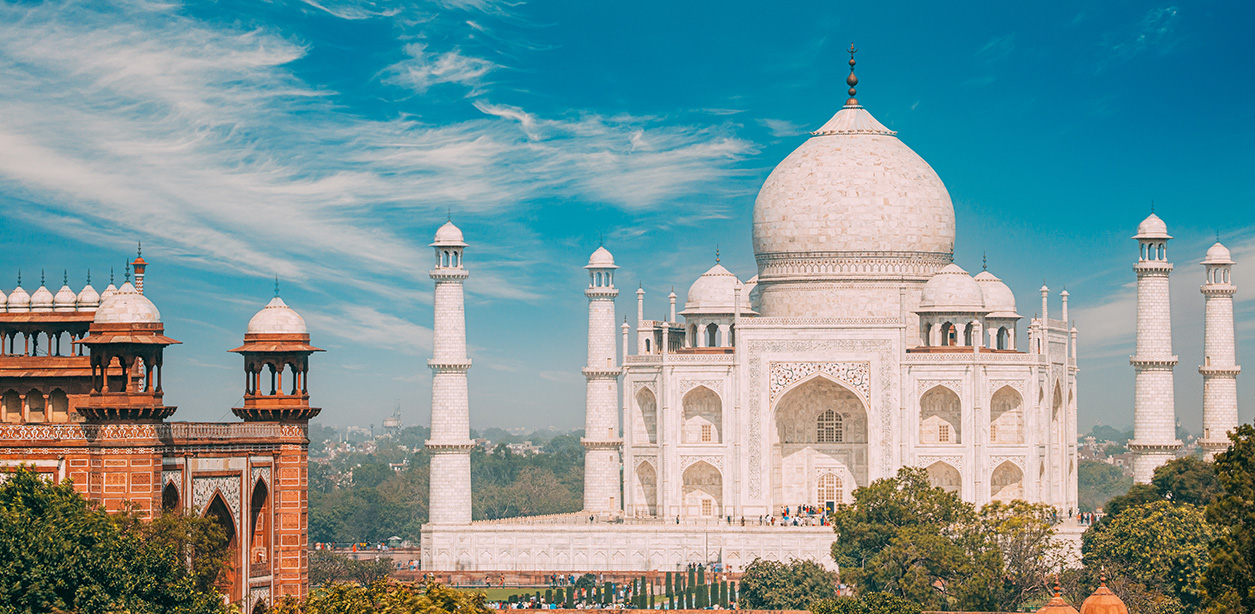
Picture-Perfect Taj
For the first time in months, travellers can now enjoy a completely unobstructed view of the Taj Mahal. The Archaeological Survey of India (ASI) has dismantled the scaffolding from the monument’s facade, with the final stages of removal now underway at the rear. We are monitoring the final phases of the restoration and will provide further updates soon.
NEW FLIGHT

Bangalore – Kozhikode – Bangalore non-stop by Akasa Air, operational on all days of the week
Enhanced connectivity between Karnataka and North Kerala now replaces long hours on the road. North Kerala is home to Theyyam, an ancient ritual dance form, and Moplah cuisine, which emerged from centuries of trade with the Arabs and cultural exchange along the Malabar coast.
Write to your relationship manager to know more.
The Best Hotel Opening in India?
Let’s Talk About What “Best” Actually Means
By Dipak Deva, Managing Director, Travel Corporation India Ltd.
In the last quarter alone of 2025, I have seen fourteen “India’s Best New Hotel Opening” headlines cross my desk. By June, we will have forgotten at least twelve of them. Yet what separates the forgettable from what actually matters is rarely discussed.
When my guests invest two weeks and significant money to experience India, they are not just booking rooms. They are trusting us to show them places that matter. So, when the industry announces another “best opening”, I find myself asking a far more important question: best for whom, and best by what standards?
The truth is, most hotel opening announcements avoid the fundamental question altogether. Does this property change anything?
What Should Actually Make Us Pay Attention?
After three decades of watching hotels open and close across India, I have learned what separates genuine game-changers from properties that simply add more rooms to a destination. A property deserves the “best opening” label only when it achieves at least two of the following four outcomes.
1. It Resurrects Forgotten Heritage
I am not talking about another “palace hotel”. I mean properties that genuinely preserve architecture, memory, and culture in the process.
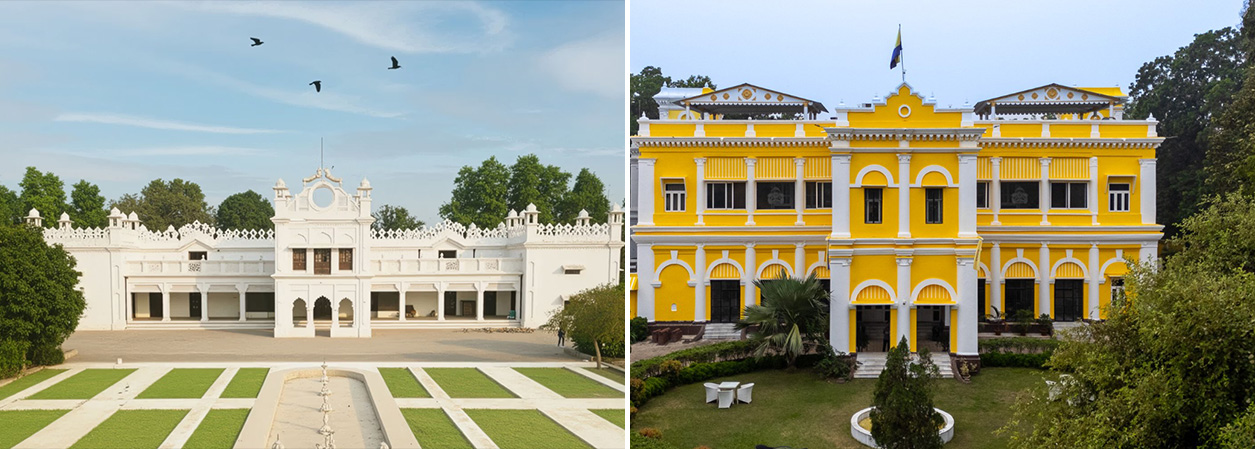
Relais & Châteaux’s Ran Bas in Patiala, Punjab, is a perfect example. This property brought back a lesser-known strand of royal heritage that had been largely forgotten. The result is not just a hotel. It is a preservation success story that gives my guests access to Punjabi aristocracy that was previously inaccessible. Patiala is just four hours from Amritsar and two hours from Chandigarh. Anandpur Sahib, the venue of the Hola Mohalla Festival, can also be woven into this circuit.
2. It Creates Destinations, Not Just Fills Them
The properties that matter are the ones that make my guests rethink their India itinerary entirely.
Sawantwadi Palace in Maharashtra is a textbook case of destination creation. This is not simply a restored palace. It is a property that single-handedly put an unknown town on the travel map. Before it opened, how many international travellers had even heard of Sawantwadi?
They did not just restore a building. They revived the nearly extinct craft of Ganjifa card-making and brought the Sawantwadi school of painting back from the brink. When my guests stay here, they are not consuming heritage. They are actively helping preserve it while exploring a corner of Maharashtra that would otherwise stay off most travellers’ itineraries. Sawantwadi Palace also makes for a wonderful stop between the ancient cave temples of Badami in Karnataka and the beaches of Goa.
amã Stays & Trails Anand Bhawan in Tirwa does something similar for Kannauj in Uttar Pradesh. This restored 1929 zamindari palace gives my guests access to India’s perfume capital, a town known for centuries for its traditional attar-making using the ancient distillation technique. Guests can visit artisan workshops, learn about the craft of natural perfumery that has defined Kannauj’s identity, and experience a dimension of Indian culture that would otherwise remain completely inaccessible to them. Anand Bhawan is located between Lucknow and Agra.
3. It Builds Geographic Bridges
Some properties do something far more valuable than offering luxury. They create new travel logic.
Belgadia Palace is my favourite example of this. This restored hunting lodge in Mayurbhanj, Odisha, solved what was once considered an impossible journey. The 450-kilometre drive between Kolkata and Bhubaneswar was long regarded as unworkable. Guests either flew or endured an uncomfortable overnight train.
Belgadia Palace changed that. It now functions as a natural two-night pause, transforming a logistical problem into a destination experience.
Postcard’s Durrung Tea Estate does the same for the Northeast. It acts as the missing anchor in an otherwise fragmented region.
With Hollongi Airport in Arunachal Pradesh now operational with daily nonstop flights from Delhi and Kolkata, Durrung enables an entirely new routing: fly into Arunachal Pradesh, explore Nameri National Park, experience tea heritage at Durrung, then continue to Kaziranga National Park before departing from Jorhat, which also has direct flights to Delhi and Kolkata. Guests can even include a multi-day private cruise on the River Brahmaputra after Kaziranga, without ever needing to pass through Guwahati.
What was previously a puzzle of disconnected destinations becomes a seamless journey combining tea, culture, wildlife, and river life.
What would make this circuit truly complete is a property at Eaglenest Wildlife Sanctuary which is home to over 450 bird species including the critically endangered Bugun Liocichla, discovered only in 2006 and found nowhere else on earth. A well-designed property here, positioned between Durrung and Nameri, would transform this already compelling Northeast circuit into what could genuinely become India’s premier nature and culture journey.
4. It Alters Economic and Cultural Trajectories
This is the hardest outcome to measure, but arguably the most important. Does the opening of a property fundamentally change how a destination functions?
Consider The Oberoi Rajgarh Palace in Khajuraho. It has only just opened, so it is too early to assess its full impact. What makes it genuinely exciting, however, is its potential to transform how we approach Khajuraho altogether.
The meticulously restored 350-year-old palace sits on a 76-acre estate with easy access to both the UNESCO World Heritage temples of Khajuraho and Panna National Park, which now has over 90 tigers following one of India’s most successful conservation efforts.
This dual access is very interesting for travel planners. Properties that allow guests to meaningfully engage with both culture and nature, extending a one-night stop into a three- or four-night stay, fundamentally change what we can deliver.
It would be unfair not to acknowledge that this culture-and-nature logic is not entirely new to the region. The Sarai at Toria, a small, thoughtfully run boutique lodge on the banks of the Ken River, has been doing this for years. Hosts Raghu and Joanna have long encouraged guests to slow down, engage with village life, explore Panna’s wildlife, and treat Khajuraho as more than a temple stop, showing how a longer, more meaningful stay in this region can work.
What makes the opening of The Oberoi Rajgarh Palace particularly interesting is not that it introduces this idea, but that it has the potential to scale it for a very different audience by providing easy access to both the temples of Khajuraho and the wildlife of Panna from a single luxury base.
Red Panda Outpost in Jaubari, Nepal, opened by Pugdundee Safaris in November 2025, demonstrates a similar principle in an entirely different context. This six-room conservation homestay at 9,400 feet near Singalila National Park solves a problem that has long kept this experience out of reach for many travellers: until now, tracking red pandas in this critical habitat meant roughing it out in basic conditions that simply did not work for most of our guests.
This property changes that equation entirely. It makes a transboundary biodiversity corridor meaningfully accessible with a level of comfort and hospitality that finally works for our guests, while maintaining genuine conservation credentials. Accessible via Bagdogra Airport in India or Bhadrapur Airport in Nepal, guests can now explore habitat that is home to endangered red pandas, Himalayan black bears, clouded leopards, and over 300 bird species, with panoramic views extending to Kanchenjunga and Mount Everest on clear days.
What sets this property apart is not just the improved comfort level, but the strength of its on-ground team and its authentic commitment to conservation-led tourism.
The property also creates new routing possibilities. It now enables a compelling Eastern Himalayas circuit connecting Darjeeling’s tea heritage with the wildlife and culture of Assam, creating a cohesive journey through a region that has long been fragmented for international travellers.
So, What Is My Benchmark?
When evaluating new openings for our itineraries, I ask a simple question: will this property still matter in five years?
Not whether it will still be operating, or whether it will maintain its luxury standards, but whether it will remain relevant to the story we are telling about India.
Sawantwadi Palace will matter because it preserved cultural knowledge and created a destination from nothing. Anand Bhawan in Tirwa and Ranbas in Patiala will matter because they resurrected lesser-known strands of regional aristocracy and made them meaningfully accessible to travellers. Belgadia Palace will matter because it solved a geographic puzzle. Postcard Durrung will matter because it opened an entire region to meaningful exploration. The Oberoi Rajgarh Palace will matter because it has the potential to scale one of India’s most compelling culture-and-wilderness combinations from a single luxury base. Red Panda Outpost will matter because it made a previously inaccessible conservation experience viable for travellers who would not have considered it otherwise.
The lobby with the dramatic chandelier, or the private infinity pool overlooking a valley? Unless it is part of a deeper story, it will not matter at all.
I am watching a handful of 2026 openings with genuine interest, particularly those emerging in lesser-known destinations. Two properties opening in Mandu, Madhya Pradesh, stand out: the Jehanuma Family, known for their hospitality in Bhopal and the Reni Pani wildlife lodge near Satpura National Park, is bringing their signature warmth to this medieval city. Evolve Back, which has built its reputation on experiential luxury at properties in Coorg, Hampi, and Kabini, is also entering Mandu. These properties have the potential to reshape how we design India itineraries, not by being more luxurious, but by creating new reasons to stay longer in places travellers once rushed through or ignored entirely.
Beautiful rooms are now table stakes. The real question is whether a property gives my guests a reason to spend four days somewhere they had never previously considered.
When we design itineraries for our guests, we are not chasing the newest opening. We are asking a different question: will this place still matter when my guests are planning their next visit to India? Will they talk about the destination, not just the hotel?
That is what “best” should mean. Not the most expensive, not the most Instagrammed, and not the one with the loudest PR. The best opening is the one that, five years from now, we cannot imagine India travel without.
These are exactly the conversations we enjoy having with our overseas partners when we think about how India should be experienced, now and in the years ahead. As always, I welcome your thoughts. If you have experienced a property that genuinely changed how you see a destination in India, I would love to hear about it.
Our Wildlife Expert at Aranya by Sita
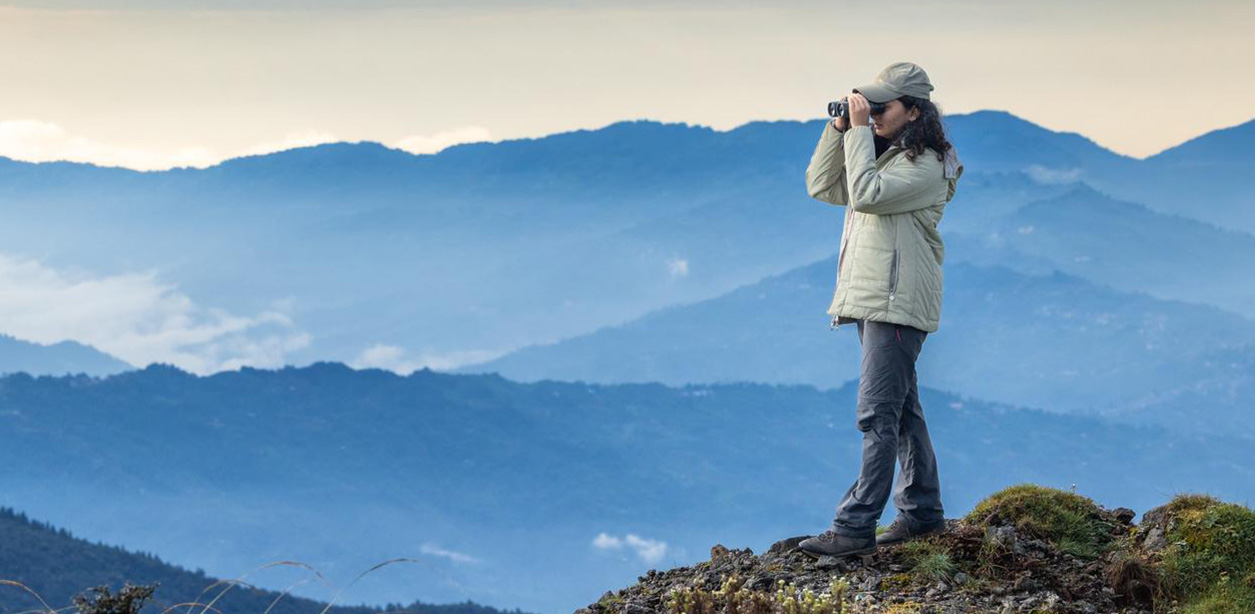
In conversation with Mugdha Deshpande, our in-house wildlife expert at Aranya By Sita.
Read on as Mugdha shares captivating stories from a naturalist’s perspective.
How did you get interested in wildlife?
It all started quite unexpectedly—right in the heart of Mumbai. I remember standing by the creek, watching a flock of flamingos paint the water pink. That moment was magical. Until then, birds were just part of the background for me, but seeing those flamingos made me pause and really look. I began with casual birdwatching, but soon it turned into a serious passion. Every new species I spotted, felt like unlocking a secret of nature. That curiosity pushed me to go deeper—academically and experientially—because I wanted to understand the bigger picture of wildlife, not just observe it. And that’s how a simple encounter with the flamingos in a bustling city set me on this incredible journey.
Which is your favourite park and why?
Satpura will always hold a special place in my heart because that’s where my naturalist journey truly began. I still remember my first visit; it wasn’t about chasing tigers like most parks. Instead, it opened my eyes to the richness of wildlife beyond the big cats. The park felt intimate, almost like a close-knit community. Being smaller in size, meant I could connect with the guides and drivers quickly; we were all working toward the same cause, and that sense of camaraderie was incredible. What made Satpura even more special was the variety of ways to explore—jeep safaris, yes, but also boat rides, canoeing, and walking safaris. Each experience gave me a different perspective of the wilderness. It wasn’t just a park; it was the beginning of a lifelong relationship with nature.
If you had to name your favourite wildlife experience.
Walking safaris in Satpura will always be etched in my memory. There’s something humbling about being on foot in the wilderness—no barriers, no engines, just you and nature. Every sound feels amplified, every rustle makes your heart race. I remember one particular walk, where the forest seemed alive with whispers—the call of birds, the crunch of leaves, the distant alarm calls. It’s an experience that makes you feel small yet deeply connected to the wild. For me, walking safaris aren’t just about spotting animals; they’re about feeling the pulse of the forest.
How is India unique in its product offering?
For me, India’s wildlife experience feels like stepping into something raw and authentic. There are no shortcuts here: no technology leading you straight to an animal. It’s about patience, timing, and being in the right place at the right moment. That unpredictability makes every sighting feel earned and magical. What excites me even more is how India is evolving. Luxury is entering the scene, but not at the cost of sustainability. We’re finding that sweet spot where comfort meets conservation. And let’s not forget, India is one of the most mega-diverse countries in the world. The experience is no longer just about spotting a tiger; it’s about immersing yourself in an entire ecosystem, from the tiniest insects to the grand landscapes. That depth and authenticity—that’s what makes India truly unique.
How is conservation an important factor of wildlife?
Conservation is the backbone of everything we do in wildlife tourism. India is in a unique and challenging position—we’re a developing country with aspirations for growth, yet we hold a global responsibility to protect biodiversity. I often think about this balance: how do we progress without losing what makes us extraordinary? The truth is, conservation and development must go hand in hand. If we fail to integrate them, we risk losing not just species but entire ecosystems. For me, every safari, every lodge, every experience should contribute to this bigger picture—because without conservation, there is no wildlife tourism, no wilderness to explore.
What can travellers look forward to in 2026 in the wild in India?
2026 feels exciting for wildlife enthusiasts. I see it as a year of exploration beyond the usual. Travellers can look forward to discovering diverse landscapes—from dense forests to high-altitude habitats—each home to species that tell a different story. What makes it even more special is the growing presence of experts who don’t just show you animals but immerse you in the fascinating world of biodiversity. It’s about understanding the interconnectedness of life, not just ticking off a checklist. The wild in 2026 in India will offer experiences that are richer, deeper, and more meaningful than ever before.
Stories from India
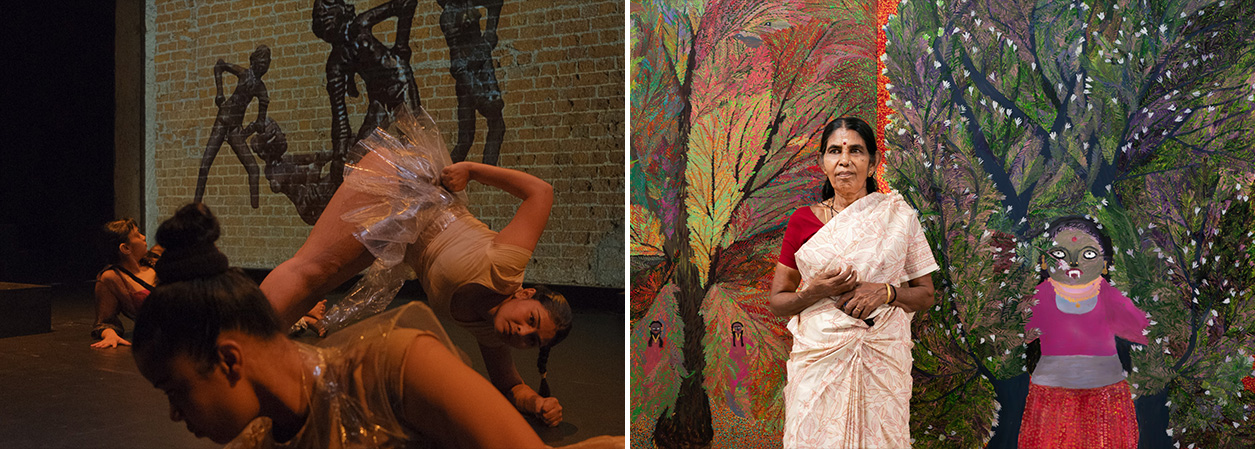
From the Kochi-Muziris Biennale 2025–26 (December 12, 2025 – to March 31, 2026)
By the Destination Knowledge Centre & Sita Kochi
Three Transformational Encounters
The Kochi-Muziris Biennale has often been described as India’s most significant contemporary art event. That description, while accurate, is no longer sufficient. The 2025–26 edition marks a deeper shift. It signals a moment where the Biennale moves beyond being an art destination and becomes a reason to travel with intention, time, and curiosity.
For guests, who are already well-travelled and culturally literate, the value lies not in novelty but in transformation. This edition offers precisely that.
Here is our selection of three transformational encounters that illustrate why this Biennale deserves attention and why it is worth building serious journeys around.
1. Mandeep Raikhy, Hallucinations of an Artifact
How does an ancient artifact think, move, and respond to our current times? Hallucinations of an Artifact brings the “Dancing Girl” figurine from the Indus Valley civilisation (c. 2300–1750 BCE) to life through dance and artificial intelligence. Raikhy collaborates with a troupe of performers to explore how the figurine’s historical framing has been shaped by colonial and post-colonial narratives. The work challenges the multiple labels attached to the figurine (dancer, goddess, warrior) by animating her through live performance and AI projections that unsettle fixed interpretations.
While the choreography is contemporary, the work is particularly compelling in Kerala, a region with a rich history of classical dance performances such as Kathakali, with its expressive gestures, and Mohiniattam, with its lyrical movement. This makes the encounter particularly engaging.
It made us think about how traditional performance vocabularies might respond to, or be inspired by, emergent interpretations such as Raikhy’s. Could seeing the “Dancing Girl” animated in this way spark new dialogues between Kerala’s strictly codified classical dance movements and contemporary experimentation, while depicting figures like “Poothana” in Kathakali or “Shabari” in Mohiniattam, women whose identities shift between devotion, dread, morality, and care, much like the “Dancing Girl”? While Raikhy’s intent may not be directed at Kerala’s classical dance forms, the performance raises fascinating possibilities about dialogue across centuries of movement and expression.
Through this interplay of movement, gesture, and technology, Raikhy encourages audiences to experience history as dynamic, contested, and deeply present in contemporary imagination.
2. The Island Mural Project
Kochi and Kerala have a complex and evolving relationship with transgender communities, from traditional ritual roles to contemporary struggles for recognition and inclusion. Initiatives such as the Kochi Metro’s historic decision to employ transgender persons signalled early steps toward inclusion, even as many in the community continue to face societal and institutional barriers.
At the new Women and Children’s Hospital on Bazaar Road, the Aravani Art Project (a collective of transgender artists Chandri, Prarthana, Varsha, and Jyothi) makes these histories visible through murals that convey struggle, aspiration, and the dignity of survival. Their work addresses discrimination, limited opportunities, and the ongoing struggle for public recognition, translating these realities into vivid visual narratives.
These murals do not merely decorate walls; they reclaim public space, making visible transgender histories and voices in ways that are immediate, human, and transformative. By placing their art within Kochi’s streets, the Aravani artists invite visitors to witness and engage with the city as a socially alive and inclusive space.
Street art in Kerala has long functioned as a public language, from political murals to activist graphics that have addressed social justice, environmental crises, and workers’ rights. Kochi itself has witnessed a growing culture of street art over the past decade, with murals appearing across neighbourhoods, often created by local and visiting artists responding to the city’s complex history and present-day challenges. This tradition of using walls as canvases for dialogue, dissent, and declaration makes Kochi particularly receptive to art that claims public space with intention.
3. Edam, Bazaar Road
Edam showcases 36 artists and collectives across local art spaces in Bazaar Road, Mattancherry. The project brings contemporary practice within homes, shops, and neighbourhood spaces, engaging intergenerational memory, labour, and everyday realities. Creativity here thrives alongside ordinary routines of community life. This is not art in isolation; it is art woven into community, history, and the present moment, offering guests experiences that unfold slowly, rewarding attention and curiosity.
Mattancherry’s centuries-old spice trade forms an important backdrop to this project. Guests encounter the local context where international and Indian contemporary art meets the living heritage of Kochi, from markets still trading in spices that shaped the global economy, to crafts and artisanal practices passed through generations. At the Little Queen Embroidery, located just opposite the Jewish Synagogue, rare embroidery designs brought by European nuns during the Middle Ages are now stitched by women from the local fishing community, bridging historical and contemporary narratives in everyday practice.
Another example of cultural continuity in this neighbourhood is the story of Thaha Ibrahim, a Muslim shopkeeper who now runs one of the last remaining Jewish embroidery shops in Mattancherry. The shop preserves patterns and community heritage long after the Jewish population itself has largely migrated elsewhere, showing how local custodianship sustains cultural memory in daily life.
These sites create a multifaceted encounter : the contemporary works of 36 artists and collectives, intertwined with the historical and cultural fabric of Mattancherry, offer guests an understanding that is deeply human and contemplative.
Why These Encounters Matter for Your Programmes
These three encounters demonstrate the Biennale’s transformational potential:
- Dialogue Across Time: Raikhy’s work connects ancient Indus Valley histories with contemporary performance, inviting engagement with movement, narrative, and the power of cultural gestures.
- Social Engagement and Inclusion: The Island Mural Project places transgender voices at the heart of public space, offering an experience that is socially conscious and immersive.
- Local-Global Resonance: Edam, Bazaar Road anchors contemporary practice in centuries of local craft, trade, and memory, creating an encounter where visitors witness history and culture unfolding alongside cutting-edge art.
For partners designing premium journeys, these encounters provide depth, context, and sustained engagement. They encourage guests to slow down, pause, and immerse themselves in the cultural, social, and historical rhythms of Kochi. These are the moments that travellers will remember and share, transforming a visit to the Kochi-Muziris Biennale into a story worth telling and a journey to Kerala worth taking.
Write to your relationship manager for more details on the Kochi-Muziris Biennale 2025–26 (December 12, 2025 – to March 31, 2026)
Sustainability and Us
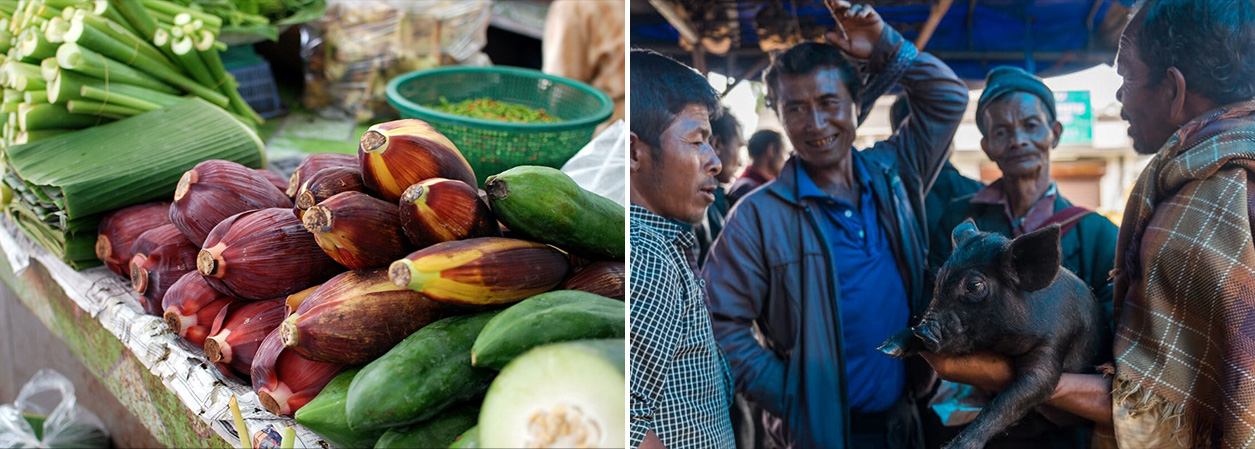
Nothing Wasted: Two Stories of Indian Sustainability
By the Sustainability Team
When we speak of India, we often grapple with the impossibility of painting an entire nation with a single brush. How do you capture a country where landscapes shift from the Himalayan heights to tropical coasts, where hundreds of languages are spoken through vastly different cultures, where food, faith, and tradition vary dramatically from one state to the next? Yet beneath this magnificent diversity runs a thread. It is an ancient understanding that has guided communities across this land for millennia: nothing should be wasted.
Let us tell you two stories that sit at opposite ends of India’s cultural spectrum, yet speak the same language of resourcefulness.
The Banana Plant: Kalpataru, The Plant of All Uses
In India, the banana plant is called “kalpataru”, the herb with all imaginable uses. Walk through any village in Tamil Nadu, Kerala, Assam, or Bengal, and you will see why this name holds true.
The fruit itself is just the beginning. Ripe bananas grace breakfast tables and temple offerings alike. Unripe ones become vegetables, sliced, spiced, and cooked into curries. But what happens after the fruit is harvested? In most commercial agriculture, the answer would be waste. Not here.
The banana flower is cooked into stir-fries, dipped in batter and fried into cutlets, or added to curries across South Indian, and Bengali kitchens. In Assamese cooking, it appears in traditional dishes with minimal seasoning, allowing the flower’s subtle flavour to shine through.
The leaves become plates. They are nature’s own disposable dinnerware and have long been central to Indian meals for centuries. In Tamil Nadu, dried banana leaves are used to pack food and make cups for liquid items. They are also used to wrap food for steaming, lending a gentle sweetness to what cooks inside them.
The thick trunk left standing after harvest, is often dismissed as agricultural waste elsewhere. In Assamese communities, banana trunks and peels are used to make kolakhar, a traditional alkaline extract with significant commercial importance. The tender core finds its way into curries.
Even what seems truly unusable finds purpose. In India, approximately five lakh tonnes of banana trunk are discarded as waste every year after harvesting. Increasingly, these stems are being processed into banana fibre, a durable, environment-friendly material used in textiles and paper production. This knowledge isn’t new; the Japanese have processed banana fibre since the 13th century.
The roots become medicine for digestive disorders. The sap treats wounds. The ashes of leaves and peels become remedies for ailments. Every part serves. Nothing is discarded.
The Khasi Pig: When Every Hoof Matters
Now travel north-east to Meghalaya, to the misty Khasi Hills, where a different culture has arrived at the same wisdom through entirely different means.
The Khasis, one of the few remaining matrilineal societies in India, have perfected the art of utilising pork. Give the Khasis a whole pig, and not a hoof is wasted.
Their traditional dish, Jadoh Snam, uses rice cooked with pork meat and blood. It is a dish the Khasis cherish as much as the rest of India loves biryani. Doh Khlieh, meaning “mixed meat”, is a traditional pork salad prepared using pig brains along with other organs, mixed with onions, chillies, and local seasonings.
Doh-Snam, another Khasi delicacy, uses various parts of pork including liver, lungs, and intestines. These are minced into a coarse paste, seasoned with local spices, and combined with fresh pig blood, which acts as a binding agent before being shaped into sausages. Doh Jem incorporates the liver and innards. The blood enriches rice dishes. The fat becomes the cooking medium. The skin and the trotters also find their place.
Every part of the pig finds its way into the Khasi kitchen. The approach is methodical and complete.
The Thread That Binds
What connects these two practices, separated by geography, religion, and the fundamental divide between plant and animal?
It is the understanding that sustainability is not a modern concept we have invented. It is an ancient wisdom we are slowly remembering. They still exist because they are rooted in something deeper: respect. Respect for what sustains you. Gratitude expressed through the refusal to waste.
The Khasis smoke their pork to preserve it through lean seasons. The Assamese ferment banana parts into kolakhar. South Indians serve meals on banana leaves that eventually return to the earth. These are not just culinary techniques. They are philosophies of living lightly on the land, of closing the loop, of recognising that in traditional India, there was no “away” to throw things towards.
India cannot be reduced to one story, one culture, or one practice. A Hindu temple in Kerala, where banana plants frame the entrance during festivals, exists in the same nation as a Khasi home in Meghalaya, where pork is central to both sustenance and celebration. These two worlds might never intersect. Their practitioners might find each other’s practices unfamiliar, even uncomfortable.
Yet both would recognise in the other a fundamental Indian understanding. What the earth provides is precious, and honouring that gift means using it completely, wasting nothing, and leaving as little behind as possible.
Explore
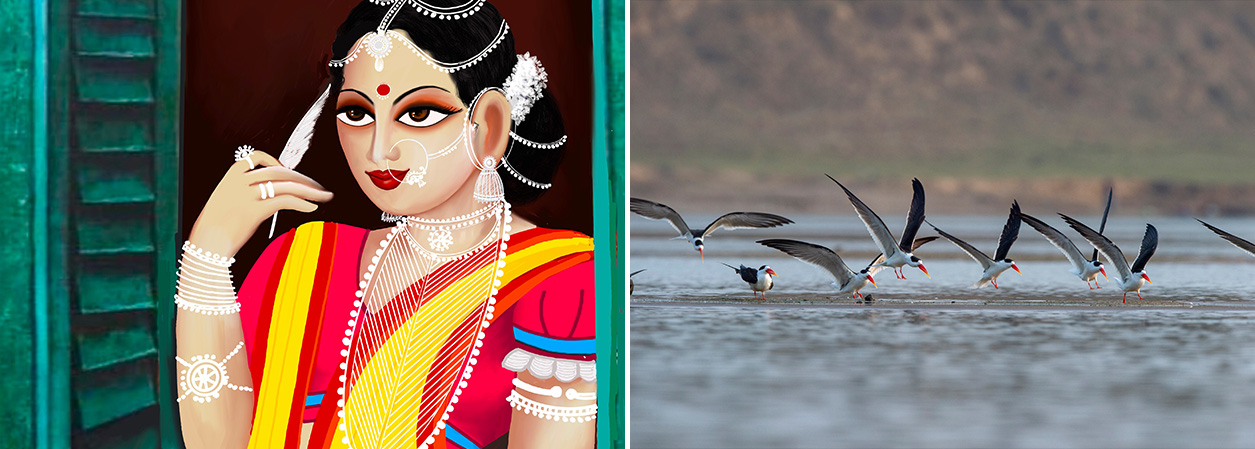
Kota & the Hadoti Region
Rajasthan’s lesser-known heritage circuit of craft villages, river ravines, and medieval splendour
From the Diary of Inderjeet Rathod, Product Manager, Destination Knowledge Centre
While Rajasthan’s golden triangle draws millions, Kota preserves something far rarer. This is the Hadoti region, an area that has remained largely untouched, where the Chambal River cuts through dramatic ravines inhabited by crocodiles, medieval temples emerge from an ancient meteor crater, and royal ateliers still practise centuries-old miniature painting. This isn’t the Rajasthan of postcards. It is where craft traditions live in working studios, not museums, and where travellers encounter intimacy, authenticity, and landscapes genuinely off the beaten path.
5 Things to Do in Kota:
1. Learn the traditional Kotah Kalam painting at a Miniature Art Workshop in Kota Garh Palace
Within the Rao Madho Singh Museum at Kota Garh, guests can participate in a curated two-hour workshop led by local artists. Inspired by the Kotah Kalam tradition once patronised by Kota’s rulers, participants create a bookmark or postcard, stamped with the museum’s seal. An authentic and personal souvenir.
2. Visit a weavers’ village to witness the intricate craft of Kota Doria weaving
This half-day guided walking tour introduces guests to the delicate craft of Kota Doria weaving. Walking through narrow lanes and family-run workshops, guests observe the entire process, from setting the loom to finishing the fabric, and interact directly with artisans.
3. Enjoy an adventurous Chambal River safari amid scenic ravines and rich wildlife
One of Kota’s most distinctive experiences, the Chambal River safari unfolds amid towering ravines and lush riverbanks within the Mukundra Hills Tiger Reserve. A speedboat ride offers sightings of crocodiles, smooth-coated otters, and a wide variety of birds. The winter months are particularly rewarding for birdwatchers.
4. Visit the Bhand Devra Temple, located inside Ramgarh Crater – a meteorite impact site
The Hadoti region is dotted with remarkable temples dating from the eighth to the twelfth centuries CE. Visit the Bhand Devra Temple, located within the Ramgarh meteor crater, one of only three confirmed meteor impact craters in India. The crater also offers panoramic views, traces of ancient fortifications, and seasonal birdlife.
5. Go for a village tour to Bamuliya Kalan to experience rural life in the Hadoti region
Located about an hour from Kota, Bamuliya Kalan offers an immersive rural experience centred around the historic Bamuliya Castle. The visit includes pottery-making, interaction with a nationally recognised artisan, village and temple walks, visits to cenotaphs and farms, and concludes with a traditional vegetarian Rajasthani lunch served within the castle.
Where to Stay in Kota
- Umed Bhawan Palace, Kota. A restored Indo-Saracenic palace (1902 CE) with 32 elegant rooms set in sprawling, lush grounds surrounded by natural forest.
- Brijraj Bhawan. A heritage seven-room riverside bungalow, ideal for FITs and small groups seeking privacy and history.
Insider Tips
Best time to visit: October to March
- Best time to visit: October to March
- Festival highlight: Dussehra
Beyond Kota: Bundi
Located just 42 km from Kota, Bundi makes a natural extension. Dominated by the Taragarh Fort and the fresco-filled Bundi Palace, the town is known for its stepwells, miniature painting traditions, and timeless medieval charm, offering a perfect cultural contrast to Kota.
Kota and Bundi are best experienced together over two to three nights.
Inspiration
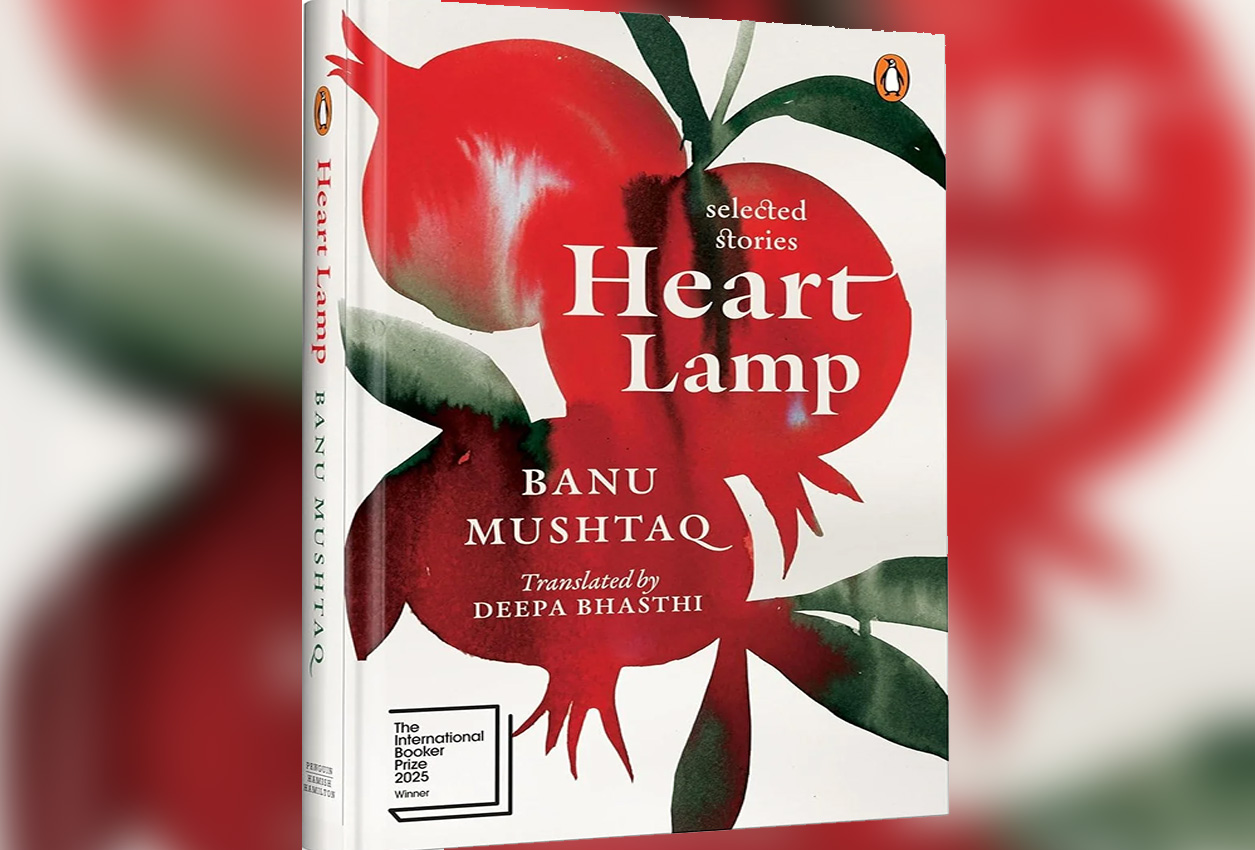
Heart Lamp by Banu Mushtaq
Translated from Kannada by Deepa Bhasthi
Winner of the 2025 International Booker Prize
Reviewed by Kuntil Baruwa, Explorer, Destination Knowledge Centre
There is a moment in one of Banu Mushtaq’s stories when a character playfully challenges her creator: “If you were to build the world again, to create males and females again, do not be like an inexperienced potter. Come to earth as a woman, Prabhu!” This line could serve as an epigraph for the collection, both teasing and devastating, spiritual and subversive.
Heart Lamp is the first short story collection to win the International Booker Prize. Over more than thirty years, Mushtaq has written about women and girls in Muslim communities in Karnataka, southern India, where she has lived as a writer, lawyer and women’s rights activist. The intimacy of those decades shows on every page.
Mushtaq emerged from the Bandaya Sahitya movement of the 1970s and 1980s, a progressive literary shift in southwestern India that challenged caste and class hierarchies. She was one of few women among influential Dalit (communities placed at the bottom of the Hindu caste hierarchy) and Muslim writers. Her position at the intersection of gender, caste and religious marginalisation gives her stories their edge and moral clarity.
Many stories grew from her legal practice. Women arrived carrying burdens they could not fully express. Mushtaq listened, and the fiction that followed was shaped by those conversations.
Heart Lamp refuses to sensationalise suffering. Mushtaq writes with a measured tone, dry humour and a steady gaze. She avoids melodrama and pity. A woman abandoned by her husband finds strength through her daughter. A widowed mother is married off at her son’s insistence, a situation both absurd and sorrowful. The stories repeatedly show the weight of social, familial and religious systems demanding unquestioning obedience from women.
Credit goes to translator Deepa Bhasthi, the first Indian to win the International Booker Prize. She translates with an accent, keeping words from Kannada, Urdu and Arabic. Some will be familiar to readers outside India, others less so, but all honour the oral roots of the stories. This is the first Booker winner translated from Kannada, spoken by around sixty-five million people in Karnataka and neighbouring regions. Even as an Indian, I find myself astonished by how many rich literary traditions would remain unknown had it not been for English translation.
The translation captures what one critic noted as Mushtaq’s ability to build disconcerting emotional heights from a rich spoken style. You can hear these voices. They do not sound like literature. They sound like life.
Heart Lamp arrives amid debates on women’s rights, religious identity and caste discrimination. Mushtaq does not write to feed political arguments or offer neat examples. Her stories refuse simple judgement and insist on the complex humanity of people navigating systems larger than themselves.
For readers new to India, the stories open a window onto communities often reduced to headlines or statistics. For those familiar with India but not Karnataka’s Muslim communities, Mushtaq offers vital insider perspective. For anyone seeing literature as mirror and hammer, revealing and reshaping reality, this collection is essential.
The Booker judges praised the collection for extraordinary accounts of patriarchal systems and resistance. They noted above all its beautiful portrayal of everyday life, especially the lives of women. This is the book’s heart. Mushtaq asks us not to feel sorry, but to recognise her characters and stay with their frustration, small rebellions, humour and heartbreak.
Heart Lamp is not an easy read, but it is necessary. Mushtaq writes with the economy of someone who has seen too much to waste words on sentiment, yet finds humour and grace in difficult circumstances. These stories stay with you long after the final chapter, not as evidence of injustice alone, but as a record of the sheer strength women need to survive in spaces that refuse them room.
This book kept me company on my recent trip to Karnataka, where conversations with our Mysore branch manager Nazia Mahboob and my guide Faizan about women in Muslim society made Mushtaq’s stories feel even more immediate.
Highly recommended for readers interested in feminist writing, and contemporary Indian literature.
Festival to Watch Out For
Hola Mohalla
Anandpur Sahib, Punjab
04-06 March, 2026
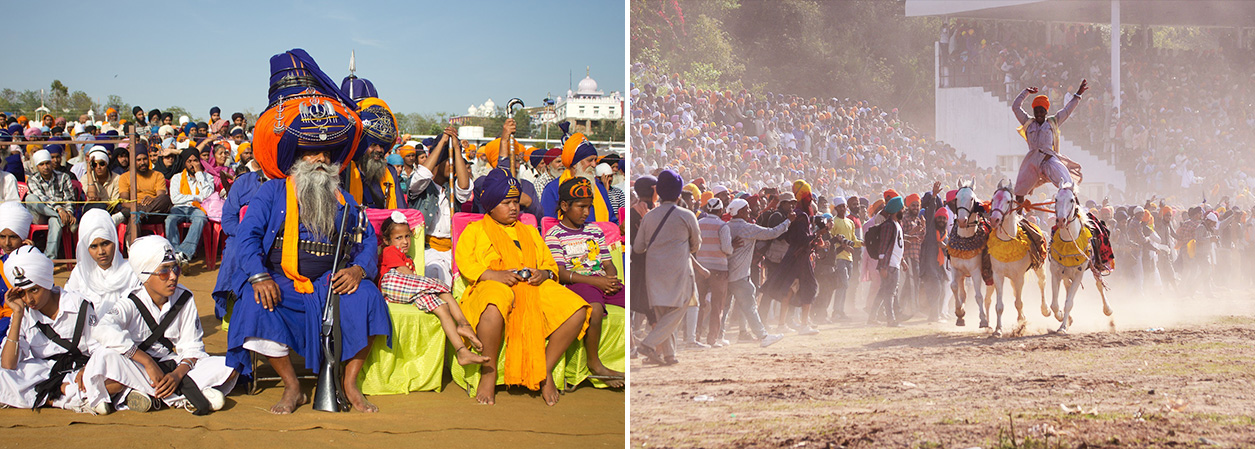
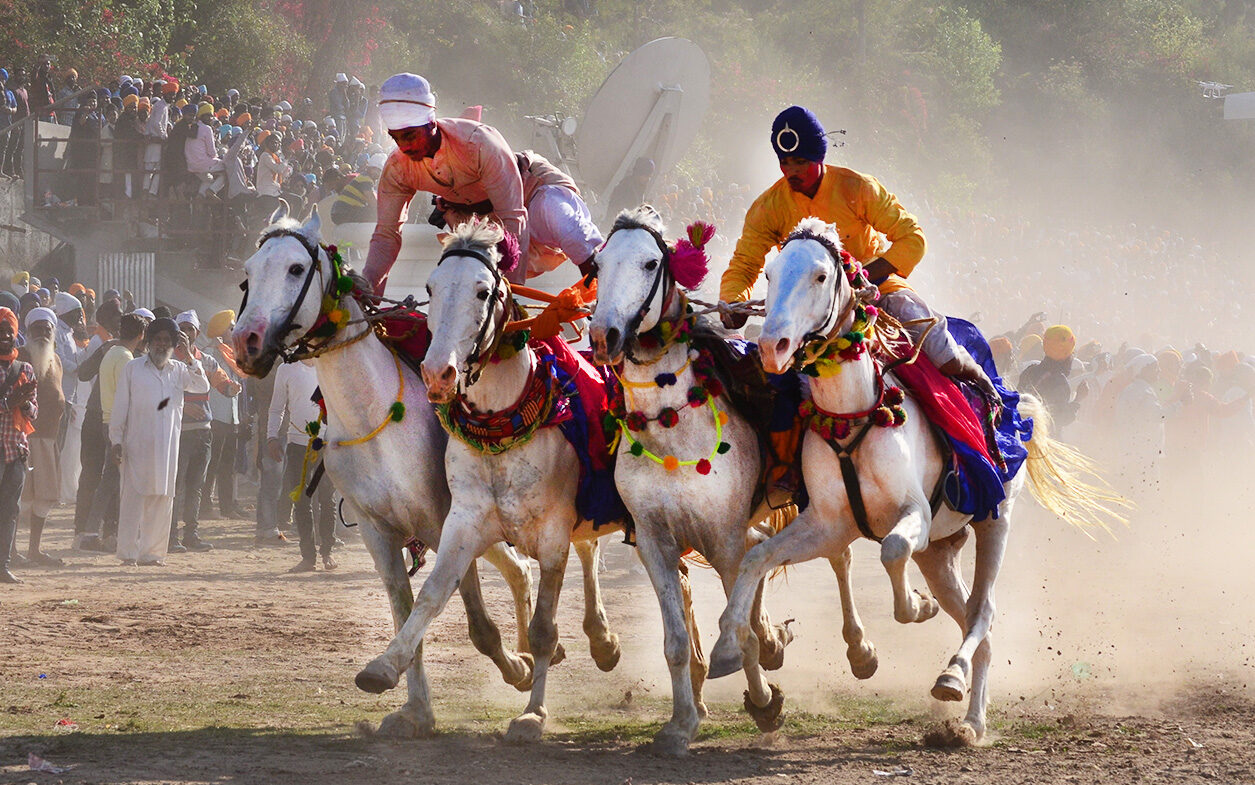
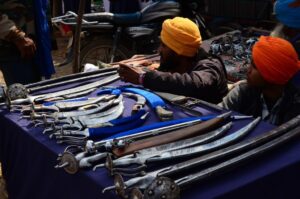
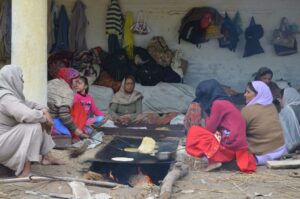
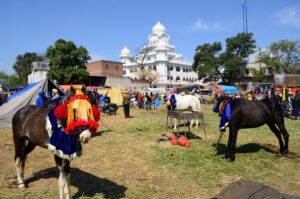
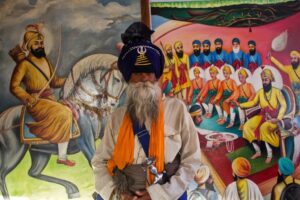
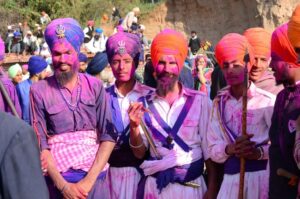
Hola Mohalla is celebrated in Anandpur Sahib in the month of March. It was started by the tenth Sikh Guru, Guru Gobind Singh Ji, in 1701 as a gathering of Sikhs for military exercises and mock battles, at a time when the Sikh community was facing growing oppression and atrocities under the Mughal Empire.
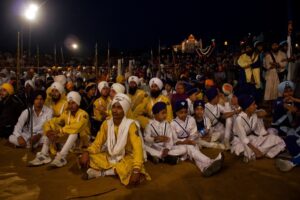
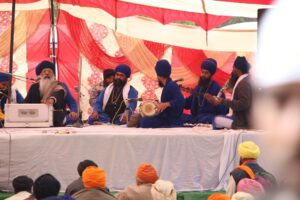
Hola Mohalla is celebrated for three days starting from the Holi festival, with organised processions (Nagar Kirtan) in the form of an army column, accompanied by war drums and flag bearers, moving from one location to another or from gurdwara (Sikh temple) to gurdwara.
Highlights:
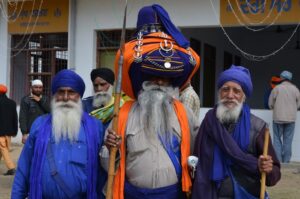
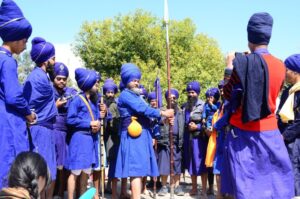
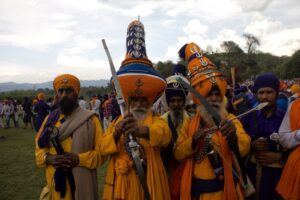
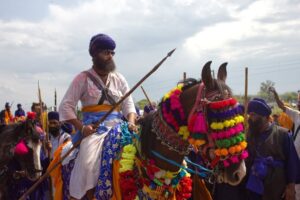
- Mock battles, sword-fighting, archery, and horse-riding displays by the Nihangs, the warrior clan of the Sikhs
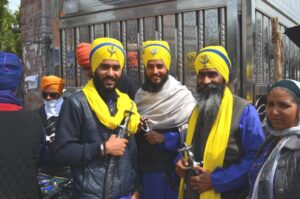
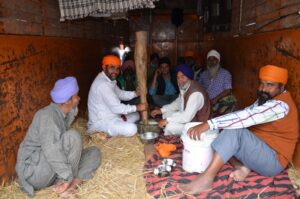
- Interaction with Nihang Sikhs
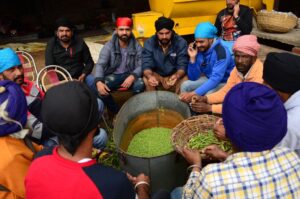
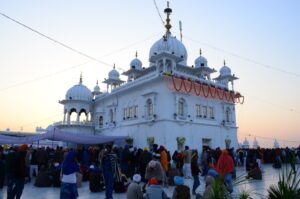
Picture Gallery
Hola Mohalla
Sikh history in motion
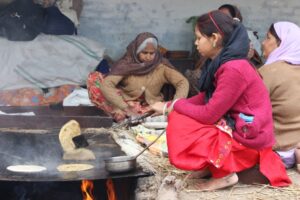
Hola Mohalla is a living expression of Sikh martial tradition, where Anandpur Sahib becomes a stage for history, faith, and discipline.


SIGN UP
RESOURCES
SITE LINKS
CONTACT US