



art of travel
What’s New
Compiled by Soma Paul, Product Manager, Destination Knowledge Centre
STAYS TO WATCH OUT FOR
New Hotels
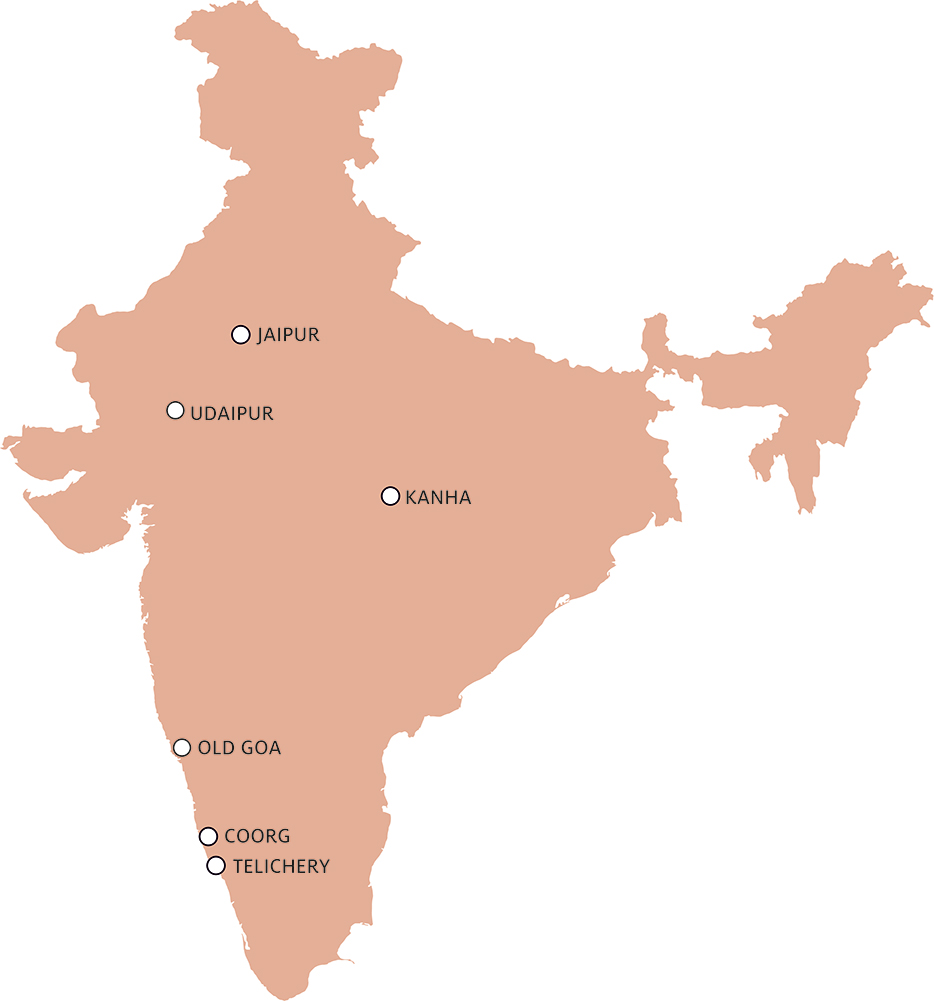
- Naila Fort, an Oberoi Luxury Residence, Jaipur, Rajasthan
- Khas Mahal Suites by Fateh Collection, Udaipur, Rajasthan
- Kanha Gateway, Kanha, Madhya Pradesh
- The Postcard Ayurveda Retreat – A Sitaram Ayurveda Experience, Old Goa
- Astralis Resort – By Seventhwave, Coorg, Karnataka
- Razena Beach, Telichery, Kerala
We Are Excited About
Naila Fort, an Oberoi Luxury Residence, Jaipur, Rajasthan
The Oberoi Group has launched its first luxury private residence.
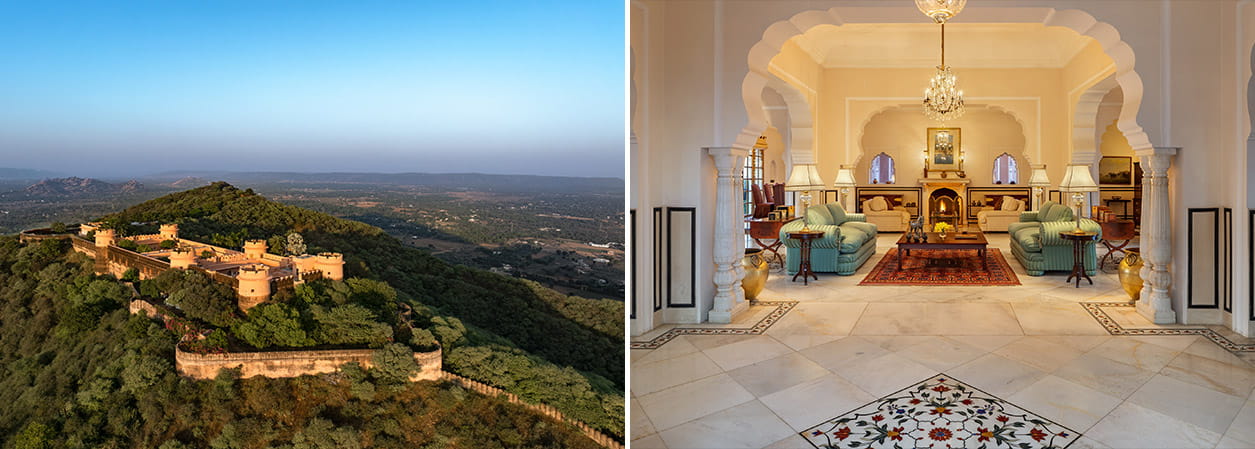
Naila Fort, a 19th-century hilltop retreat situated approximately 15 minutes from The Oberoi Rajvilas on the road from Delhi to Jaipur, opens its doors as an exclusive, one-key destination for those who value heritage, seclusion, and genuinely personalised service.
Built in 1849 by the Champawat clan, the fort has been meticulously conserved and reimagined as an ultra-luxury four-bedroom residence. From its hilltop, Naila fort looks out over panoramic views of Jaipur, and its history runs through every stone and courtyard.
Available only as a full-property booking, Naila Fort is designed to feel entirely like your own. There are no other guests, and no shared spaces. Jeeps ferry guests between the hotel car park and the fort, keeping arrivals and departures seamless. All meals are included throughout the stay, along with the full range of facilities the property offers, with the exception of liquor. A minimum stay of two nights is required.
It is well suited to families, groups of friends, or those organising a private retreat.
Write to your relationship manager for more details.
EXPERIENCES TO WATCH OUT FOR
New Experiences
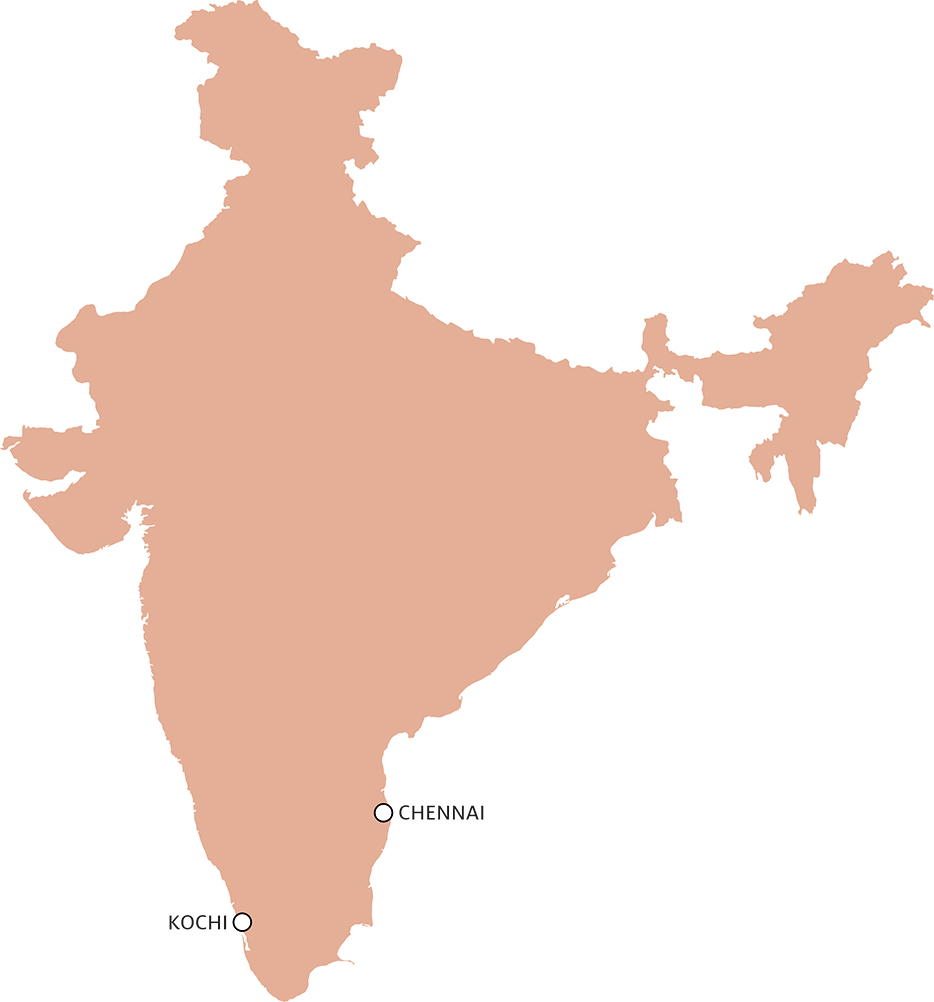
- Kayaking the Hidden Backwaters, near Kochi, Kerala
- The Secret Islands Experience, near Kochi, Kerala
- The Victoria Public Hall, Chennai, Tamil Nadu
We Are Excited About
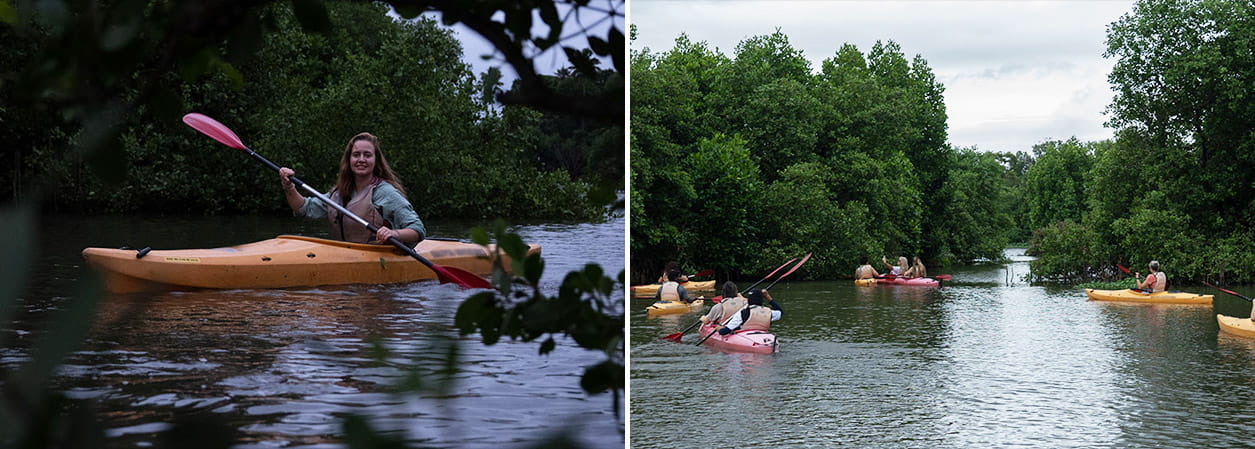
Kayaking the Hidden Backwaters, near Kochi, Kerala
Kayak through Kochi’s mangroves, gliding through pristine backwaters rich with birdlife. Along the way, there are opportunities to engage with local coastal traditions, from traditional fishing to visits to prawn and crab farms, all guided by an experienced kayaker and birdwatcher.
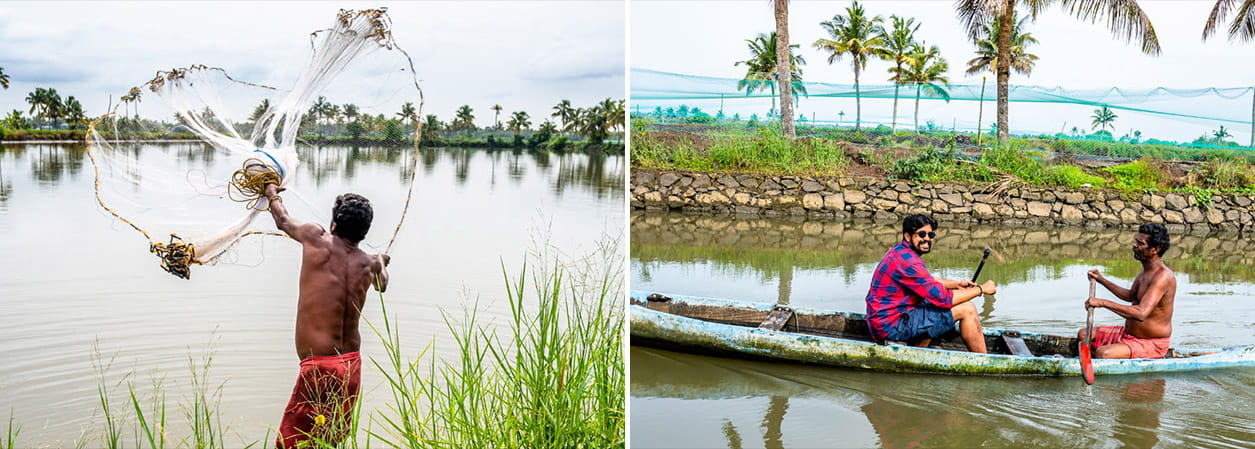
The Secret Islands Experience, near Kochi, Kerala
A two-hour journey by an electric boat, exploring the stunning islands scattered around Kochi. The pace is unhurried, the scenery changes at every turn, and the sunset, watched from the water in good company, is the kind that stays with you.
Write to your relationship manager for more details.
ITINERARY OF THE MONTH
The Belgadia Passage
A Journey across Princely Lands and Cultural Legacies
Bhubaneswar – Puri – Dhenkanal – Baripada – Kolkata
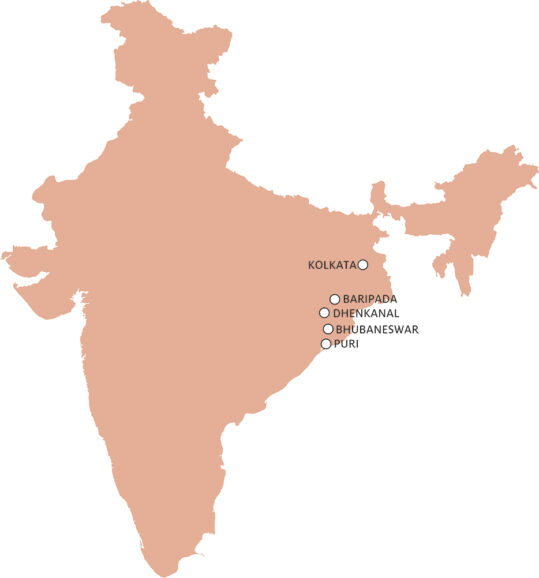
Highlights of the Tour
Bhubaneswar
Discover the sacred temple heritage and architecture of one of India’s most remarkable temple cities.
Puri
Experience coastal traditions and a living ritual culture that has remained largely unchanged for centuries.
Dhenkanal
Explore Odisha’s rural and princely heritage landscapes through immersive cultural encounters that reveal a lesser-known side of the state.
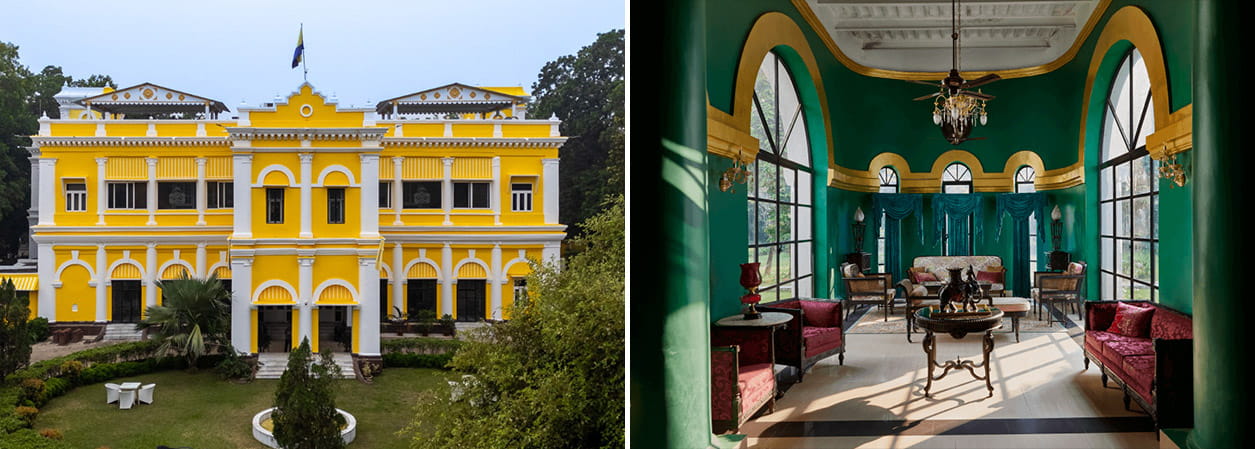
Belgadia Palace, Baripada
Stay at the royal heritage residence of Belgadia Palace, a Victorian palace with a family-hosted experience that is difficult to find anywhere else in India.
The Living Crafts of Odisha
Engage with Odisha’s living craft traditions and community-based artisan experiences. Dokra Metal Craft is a 4,000-year-old lost-wax metal casting tradition. Sabai Grass Handicraft is one of the most fascinating examples of a sustainable, community-driven and design-evolving craft tradition. Applique Work is an enchanting form of fabric-based patchwork, well known for its geometric motifs and stylised birds, animals and flowers, cut from brightly coloured cloth and sewn onto contrasting backgrounds.
Mayurbhanj Chhau
Witness the Mayurbhanj Chhau dance tradition, a fusion of martial arts, storytelling and mask-making, inscribed on the UNESCO Representative List of the Intangible Cultural Heritage of Humanity.
Kolkata
Conclude in the cultural and colonial-era metropolis of Kolkata, celebrated for its art, literature, architecture and cuisine.
Write to your relationship manager for the detailed itinerary.
GOOD TO KNOW
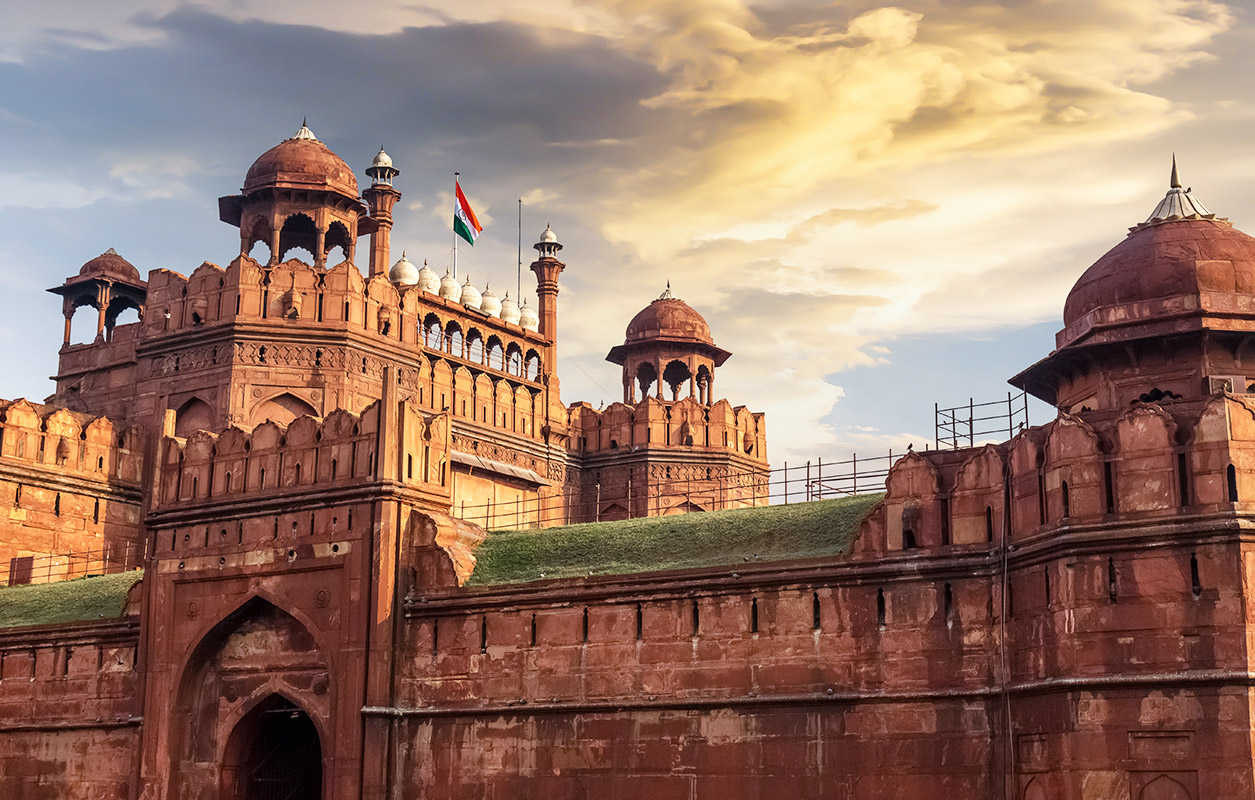
The Red Fort is now open 7 days a week
The Red Fort in Delhi now welcomes visitors all week long.
The Director General of the Archaeological Survey of India has issued a circular confirming that the Red Fort will now remain open to visitors on all days of the week. With the weekly closure on Monday lifted, we have greater flexibility to curate Old Delhi walks, heritage circuits, and city tours that begin or conclude at this iconic landmark. Write to your relationship manager for our Red Fort Experience

From Kamakhya to Golden Temple, in One Flight
IndiGo 6E 201 (GAU – CCU – ATQ) runs Tuesday, Thursday, Saturday, same aircraft, no plane change.
This journey links Assam’s Kamakhya Temple, home of Tantra and Goddess worship, with Amritsar’s Golden Temple, the heart of Sikh devotion. In one seamless trip, you move from esoteric ritual to inclusive faith, experiencing two of India’s most distinct spiritual worlds.
STILL STANDING
A Retrospective
Why Trincas is still the most honest night out in Kolkata
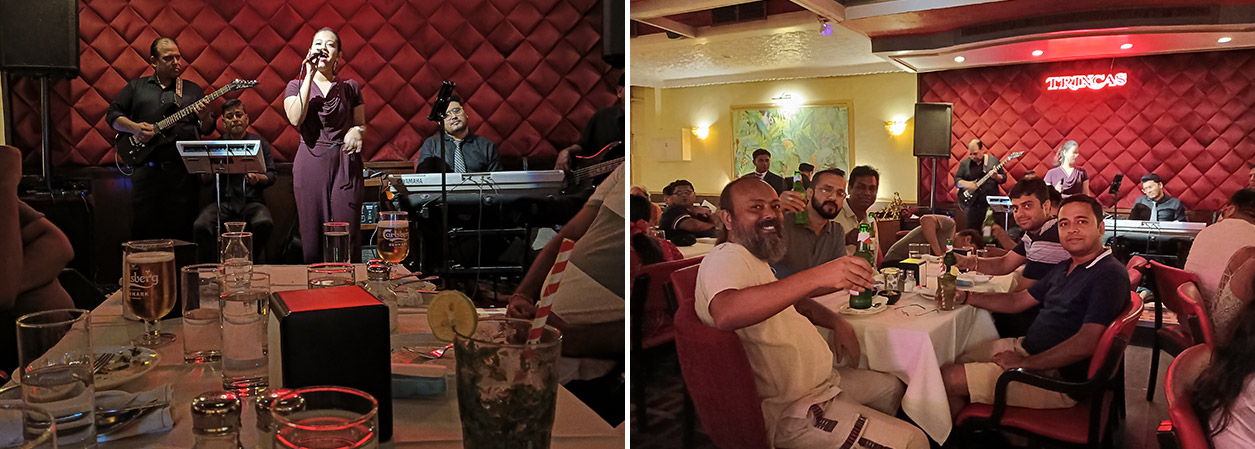
Park Street, Kolkata | Since 1927
What It Is
The only place in Kolkata where live music has not just survived but thrived for over six decades. Trincas opened in 1927 as a tea-room and bakery on Park Street. In 1961, a small stage was added. That modest addition transformed Kolkata’s nightlife forever, setting the foundation for what Trincas would become: a legendary venue synonymous with elegance, excitement, and one of the most electric atmospheres in the city.
By 1969, a young woman in a Kanjeevaram saree and bold bindi walked onto that stage. Usha Uthup did not just sing. She commanded the room. Her deep, soulful voice and extraordinary stage presence made her a national phenomenon. It all started here.
More than sixty years later, Trincas still packs out.
The Experience
This is not a pub. This is not a nightclub. Trincas is something rarer: a place where music, heritage, and genuine appreciation meet. The crowd is multigenerational. Families. Young couples. Older couples. Groups of men. Groups of women. All drinking, eating, and listening. All respectful. No one howls. No one shouts. The energy is lively, but never unruly.
Evening sessions: Retro Bollywood from 6:00 PM to 9:00 PM, followed by Western music from 9:00 PM to 11:00 PM. Weekend Jazz Lunches on Saturdays and Sundays at 1:30 PM.
In the 1960s and 1970s, you could not simply walk in off the street. Formal wear was standard: ladies in evening gowns, gentlemen in jackets and ties. It was as much about fashion as it was about music. Sessions were called Tea, Pre-Theatre, and Post-Theatre. Saxophones, Spanish guitars, and pianos filled the room then, just as electric guitar, bass, and keyboards fill it now.
Why Trincas Still Packs Out
Many classic Kolkata establishments have let the music fade. Trincas has not. The reason is straightforward: the music is not background noise. It is the point. The audience knows this. The performers know this. The venue honours this.
Trincas is not a restaurant with music. It is a music venue that also serves food. That distinction matters.
Practical Information
Open every day, 11:30 AM to 11:30 PM.
A two-minute walk from Elgin Fairlawn Hotel and Glenburn Penthouse. Five minutes from Peerless Inn and the Oberoi Grand (currently under renovation)
No dress code. But respect the vibe. Reservations are advisable, particularly on weekends.
Table No. 1
Ask for it when you book. This is the most sought-after table at Trincas, and not only for the view of the stage. Table No. 1 sits in the acoustic sweet spot, the precise location where the music sounds best in the room.
Cost
Moderate. Beers, spirits, and cocktails are available. The food menu spans continental and Indian options. The Chelo Kebab of Trincas has been the undefeated champion of Park Street since 1959.
Who This Is For
First-time visitors to Kolkata will feel the city’s cultural pride, still alive and undiminished.
Repeat visitors: even if you have been before, return. Table No. 1 is worth requesting.
Those who value authenticity over novelty: most heritage venues are museums. Trincas is still breathing. Still performing. Still packing out on Monday nights.
So Why Go?
You go because the room has absorbed nearly a century of conversations. Because the music is not decorative; it is the spine of the place. Because the crowd is never entirely curated. Because the experience is not optimised, and therefore not forgettable.
Trincas is not a product. It is a habit. And habits only make sense to people willing to surrender time, not optimise it. Not everyone will, and that is perfectly fine.
Destination Insider
Belgadia Palace, Mayurbhanj
A lesser-known district of Odisha makes the case for slowing down
From the Travel Diary of Jay Kumar, Product Head, Destination Knowledge Centre
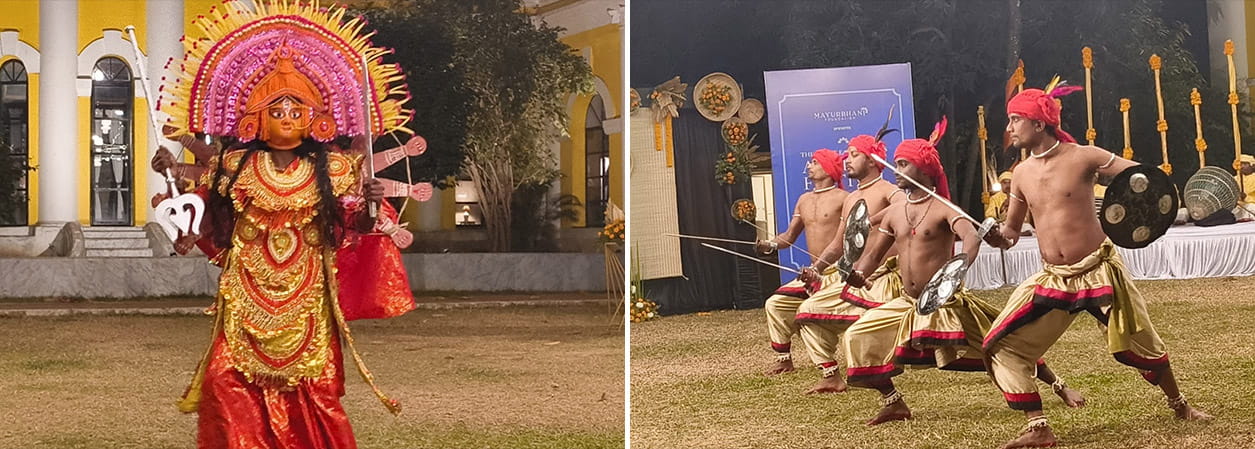
A few hours outside Kolkata, crossing into Odisha, the landscape changes. The traffic thins, sal forests appear along the road, and villages replace the dense rhythm of the city. When Baripada comes into view, in Mayurbhanj district, it becomes clear that this is a part of eastern India that has never quite drawn the attention it deserves. Belgadia Palace sits at the edge of this town, and it offers something that most heritage properties in India do not: a genuine point of entry into the culture, history, and everyday life of the district around it.
An invitation to the Chhau Celebration at Belgadia Palace offered the right opportunity to see it properly, through its people, its crafts, and its landscapes.
Arrival
The welcome is traditional: the beat of a local drum, the call of the shehnai, and the gracious presence of the Bhanj Deo family, descendants of the Bhanja dynasty that once ruled this princely state. The hosts are not distant custodians. They are present, engaged, and deeply knowledgeable about everything the district has to offer.
Belgadia Palace does not present itself as a museum-like royal residence. It is a lived-in home. With just ten guest rooms, the building has wooden staircases, high timber ceilings, long corridors, and large arched windows. Antique furniture and family memorabilia offer glimpses into its past without turning the place into a display.
A District with Its Own History
Mayurbhanj was once a princely state ruled by the Bhanja dynasty, and the traces of that period run through the district in ways both visible and less so. One of the more interesting episodes in its history was the construction of the Mayurbhanj State Railway in 1905. The narrow-gauge line connected remote forested areas with trade centres and administrative towns, gradually drawing the district into wider networks of commerce. Though the railway no longer operates in its original form, it remains a thread worth knowing about when reading the landscape here.
The Baripada Heritage Walk makes this history tangible. The route includes several buildings that predate India’s independence, among them the original Mayurbhanj royal palace, a 106-room building with multiple courtyards, later donated by the royal family to the government for use as a college. There is also the Jagannath Temple, built in 1575, and the Rani’s Dharamsala, a guest house constructed in 1904 to accommodate pilgrims and travellers passing through.
For those drawn to architecture, the Kichakeswari Temple merits the roughly two-hour drive from Baripada. Built between the 8th and 10th centuries by the Bhanja rulers, it is constructed from chlorite stone, a material that gives the structure a dark, smooth finish and has helped preserve the quality of its carvings over more than a millennium.
The Chhau Tradition
The cultural life of Mayurbhanj expresses itself not only through architecture and history but also through performance. The district is one of the homes of the Mayurbhanj style of Chhau dance, a form that combines martial arts, storytelling, and music. Dancers use stylised gestures and considerable physical agility to depict episodes from mythology and rural life. Before the performance begins, they explain the characters and the significance of particular sequences, which means that even an audience unfamiliar with the form can follow the narrative.
The dance has always had ambitious patrons. In 1912, Maharaja Sriram Chandra Bhanja Deo choreographed a War Dance with 64 artists from the palace troupe and performed it in Calcutta before King George V and Queen Mary, drawing coverage from the foreign press. The tradition that once commanded the attention of a British monarch is the same one performed at Belgadia Palace today. It was genuinely heartening to see young women now learning and performing it alongside their male counterparts.
Craft, Market, and Community
One craft closely associated with the district is Sabai grass weaving. In nearby villages, women’s collectives use the strong natural grass to produce baskets, mats, and household items. The work is organised through small community groups, and the products find their way into urban markets. What appears to be a simple woven basket is, on closer look, part of a wider network of skill, resource use, and local livelihood.
The weekly Baripada haat, or market, brings together farmers, traders, craft sellers, and villagers from the surrounding area. Markets of this kind function as informal social and economic hubs, where agricultural produce, handmade objects, and household necessities change hands through direct exchange. A visit to the haat early in the morning, before the crowds thin, gives a clearer picture of how the local economy actually moves than any single cultural site could.
The Stay
Over the course of a few days, a pattern takes shape. The first afternoon begins with lunch, a thali of local cuisine, followed by a tour of the palace and its grounds. The following morning might open with a walk through the estate or a short drive to the village market, before the day moves toward the Heritage Walk through Baripada or a visit to a Santhal tribal village, known for its striking geometric drawings that cover the exterior walls of homes. The afternoon finds its way to the Sabai grass weavers in a nearby village, trying one’s hand at the weaving. The evenings bring a Chhau performance, followed by dinner at a pace that suits the day. For those drawn to forests, Similipal Tiger Reserve lies approximately 40 minutes away, a designated biosphere reserve best suited to travellers with a genuine interest in forest ecosystems rather than wildlife sightings alone.
The Bhanj Deo family, who manage Belgadia Palace, give the stay its character. Their familiarity with the district, its people, and its cultural life is what makes every encounter feel unhurried and real.
Why Mayurbhanj
Mayurbhanj offers something that is increasingly rare in travel: a place where the experience is not assembled for visitors but simply made available to them. Meaningful travel does not always depend on scale or spectacle. Sometimes it emerges through encounters with people, crafts, landscapes, and stories that continue to shape a district’s identity. Belgadia Palace serves as a gateway to that ongoing narrative. What stays with you after leaving is not a single highlight but the sense of having spent time somewhere where different threads of history and community life continue to intersect, and where the welcome was, from the first beat of the drum, entirely genuine.
Good to Know
Belgadia Palace sits ideally between Bhubaneswar and Kolkata, making it a natural stop on a broader eastern India journey. A suggested routing might link Jagannath Temple in Puri, Bhubaneswar, and Dhenkanal before arriving at Baripada, then continuing to Kolkata with a possible extension to Murshidabad, from where a river cruise on the Hooghly River with Assam Bengal Navigation offers an unhurried return to Kolkata
Mayurbhanj is best suited for repeat visitors to India seeking lesser-known cultural landscapes, slow travel enthusiasts, travellers drawn to art, anthropology, and heritage, and those interested in sustainability and community-led tourism.
In terms of market fit, UK travellers represent the strongest audience. German, Austrian, and Swiss visitors with an interest in sustainable, off-the-beaten-path travel are well suited to the destination. Australian and New Zealand travellers, particularly repeat visitors to India seeking experiences away from the main circuits, are also a natural fit, as are discerning American travellers looking for genuine cultural immersion over curated itineraries.
Aranya by Sita
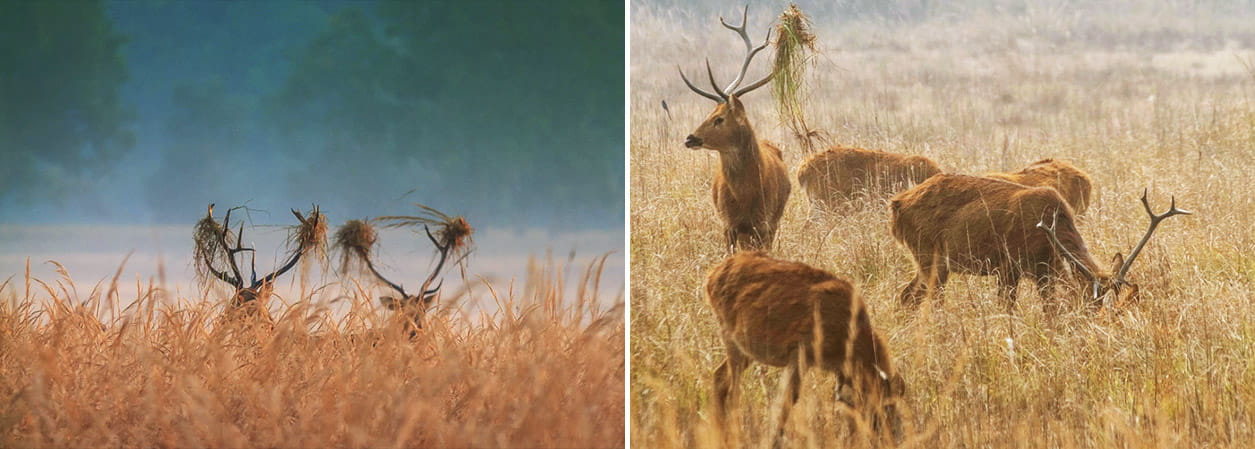
Hard ground Barasingha
By Mugdha Deshpande, our in-house wildlife expert at Aranya By Sita.
The hard-ground Swamp Deer of Kanha National Park, found nowhere else in the world, once faced an alarming decline. Hunting, shrinking habitat and disease reduced their numbers over time. Records show a fall from 551 individuals in 1953 to only 66 by 1967. It was a clear sign that the species was close to disappearing from the landscape where it had always lived.
What followed was not a dramatic turnaround. It was a long and steady effort based on practical decisions. Villages inside the park were relocated, and the abandoned sites were gradually restored into open grasslands with the grasses preferred by the deer. Forest teams removed invasive weeds, created shallow swamps and water ponds, and planted tall grasses that offered safe cover for fawns. In the 1990s a predator-free enclosure allowed a small group to breed safely. As numbers grew, animals from this group helped rebuild the population in the wild.
At the same time, experts recognised that keeping all the animals in one location created its own risks. Attempts to move the deer to other reserves were difficult, and early translocations failed. Persistence eventually brought results. Seven individuals were successfully moved to Van Vihar National Park, where pregnant females gave birth safely. Later, 58 deer were transferred to Satpura Tiger Reserve, where the population has now crossed 100. With new efforts underway in Bandhavgarh National Park, the hard-ground Swamp Deer stands today as one of India’s most steady and meaningful conservation successes.
Stories from India
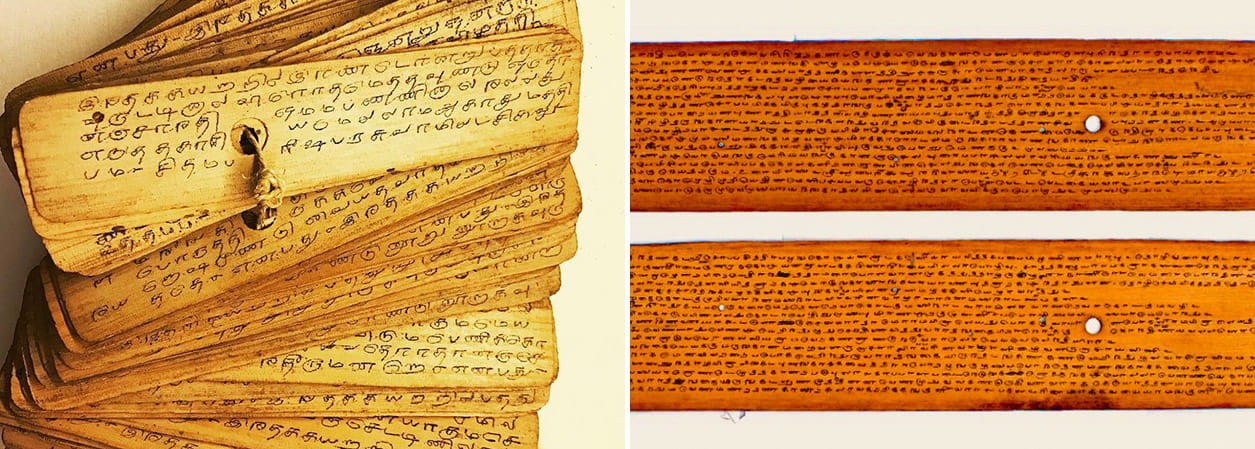
A Civilisation in Verse: Discovering Ancient Tamil Nadu Through Sangam Poetry
From the Travel Diary of Kuntil Baruwa, Explorer, Destination Knowledge Centre
Travelling through Tamil Nadu, I began to understand that this is not merely a movement across geography. It is an entry into one of the oldest surviving literary worlds in Asia. The 2,000-year-old Sangam literature is the earliest extensive body of secular poetry from the Indian subcontinent, composed in classical Tamil. It contains 2,381 poems by 473 named poets, along with more than one hundred anonymous voices.
What struck me most was that these poems are not court chronicles. They speak of love, separation, jealousy, longing, war, hospitality, trade and the daily business of living. Having first encountered the pastoral poetry of Virgil, the lyric fragments of Sappho and the odes of Horace at University, I recognised the impulse immediately. Landscape and emotion are inseparable.
Ancient Tamil country was organised in Sangam poetry into five ecological regions, known as Tinai. Kurinji was the mountain zone. Mullai was forest. Marutham was fertile agricultural land. Neithal was the coast. Palai was arid scrub. These were not simply geographical markers. Each landscape carried its own emotional code, its own occupations, its own food, its own rhythm of love and conflict.
In the mountains, lovers met in secrecy. In the forests, patience and waiting shaped relationships. In the fertile plains, domestic tensions and everyday negotiations unfolded. Along the coast, longing and uncertainty accompanied seafaring men and the women who waited for them. In the dry lands, hardship and separation dominated. Reading this, I was struck by how modern it felt. Long before Romantic poetry of English literature, the connection between ecology and interior life was fully formed.
The society encountered in Sangam poetry is not centred on monumental temples. The great temple complexes that dominate much of Tamil Nadu today belong largely to a later period. In the Sangam age, each ruler is described as having a sacred tree believed to house a guardian spirit. When one king defeated another, he cut down the vanquished ruler’s sacred tree and fashioned a war drum from its wood.
The poems also reveal trade networks that linked South India with the Mediterranean, West Asia and Southeast Asia. Roman coins have been found in Tamil Nadu. Pepper, pearls and textiles travelled westward. Cultural exchange along these shores was already active two thousand years ago.
Food, too, is mapped onto geography in striking detail. In the fertile Marutham plains, people ate white rice with thick crab and ridge gourd curry. Pulses, vegetables, meat and pickles formed part of a settled agrarian diet. In the mountains of Kurinji, tubers and honey were staples. In the forests of Mullai, wild boar was hunted and roasted over open fire. Along the coast, drying and frying suited a maritime climate. The poems mention everything from millet to tender pomegranate seeds sautéed in ghee, and even rat meat and monitor lizard cooked in clarified butter in the hill tracts. Nothing is sanitised. Life is described as it was lived.
Sangam poetry is a gateway into early Tamil Nadu. It is a civilisation speaking in its own voice, aware of distant markets and attentive to rainfall, soil, and harvest. In Sangam poetry, Mullai was the forest landscape, not scenery but a way of living with time, weather, and return. In Assam, where I come from, Mulai became a forest because one man called Jadav Payeng kept planting until the land answered back, creating what is known as Mulai Kathoni (Mulai’s Forest), a woodland larger than New York’s Central Park, now home to tigers, rhinos, birds, and rare flora. The convergence is accidental. The continuity is not. Across languages and centuries, the forest remains what it has always been in the pages of Sangam poetry: not backdrop, but ground worked, waited upon, and made.
Sustainability and Us
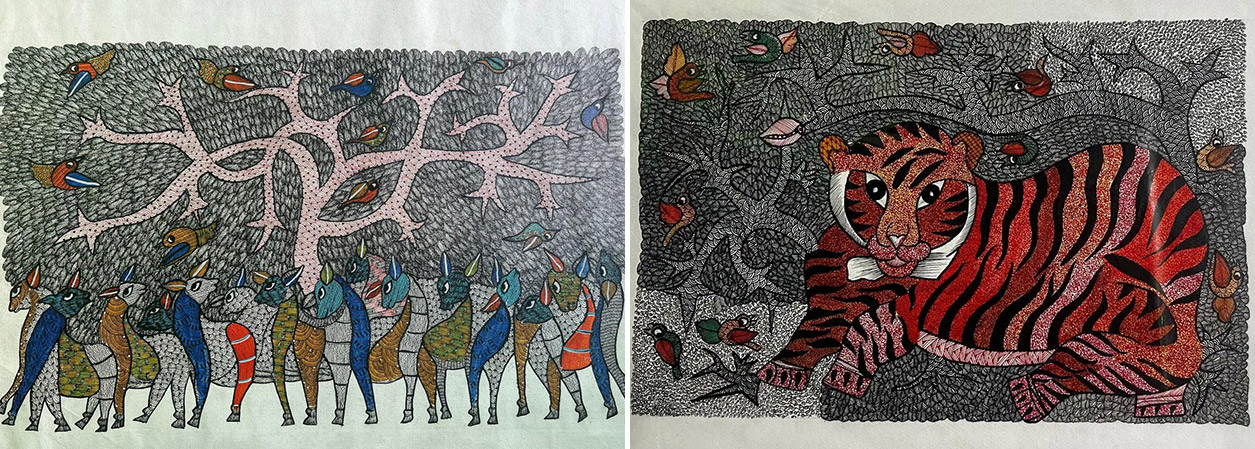
The Art I Never Saw
By Soma Paul, Product Manager, Destination Knowledge Centre
Growing up in Bhopal, Gond paintings were everywhere. On walls, at festivals, in public parks. So familiar, so constant, that I stopped seeing them entirely. It took leaving the city and returning as someone paid to think about travel and culture to realise I had spent years walking past masterpieces without once stopping to look.
Gond art originates in the dense forests of Madhya Pradesh, where the Gond tribe, one of India’s largest and oldest indigenous communities, painted their stories on the mud walls and floors of village homes. These were not decorations. They were blessings. The Gond belief that seeing a good image brings good luck meant every motif carried intention and deep cultural meaning. Through these paintings, the community chronicled myths, honoured their deities, celebrated nature, and recorded everyday life.
The art remained within these villages for generations until the 1980s, when a young artist named Jangarh Singh Shyam took traditional Gond motifs to paper and canvas, creating an entirely new artistic language now known as Jangarh Kalam. His work reached international galleries. Artists like Bhajju Shyam, Durga Bai, and Venkat Raman Singh Shyam followed, and Gond art became a global cultural presence.
My moment of reckoning came at the Tribal Museum in Bhopal. I watched visitors from around the world stand in front of Gond paintings with genuine wonder, asking questions, trying to read the symbols, signing up for workshops. Their attention made me uncomfortable in the best possible way.
So I enrolled in a workshop. That is when I discovered that this apparently fluid, effortless art requires patience, steady hands, and a level of concentration I had not expected. Each dot, line, and pattern carries intention and rhythm.
The visual language is specific. Dots represent seeds, stars, grains. Lines trace pathways, winds, rivers. Blank space is not emptiness; it is the silence that gives meaning to everything around it. The motifs carry their own logic: the tiger as protector, the deer as peace, the elephant as prosperity, birds as joy, fish as abundance, the Tree of Life as connection between worlds.
What stayed with me was not the technique but the clarity. Indigenous art carries complex ideas without effort, as if the simplest truths were always best expressed this way. For those of us who design travel experiences for a living, there is something worth sitting with in that.
Inspiration
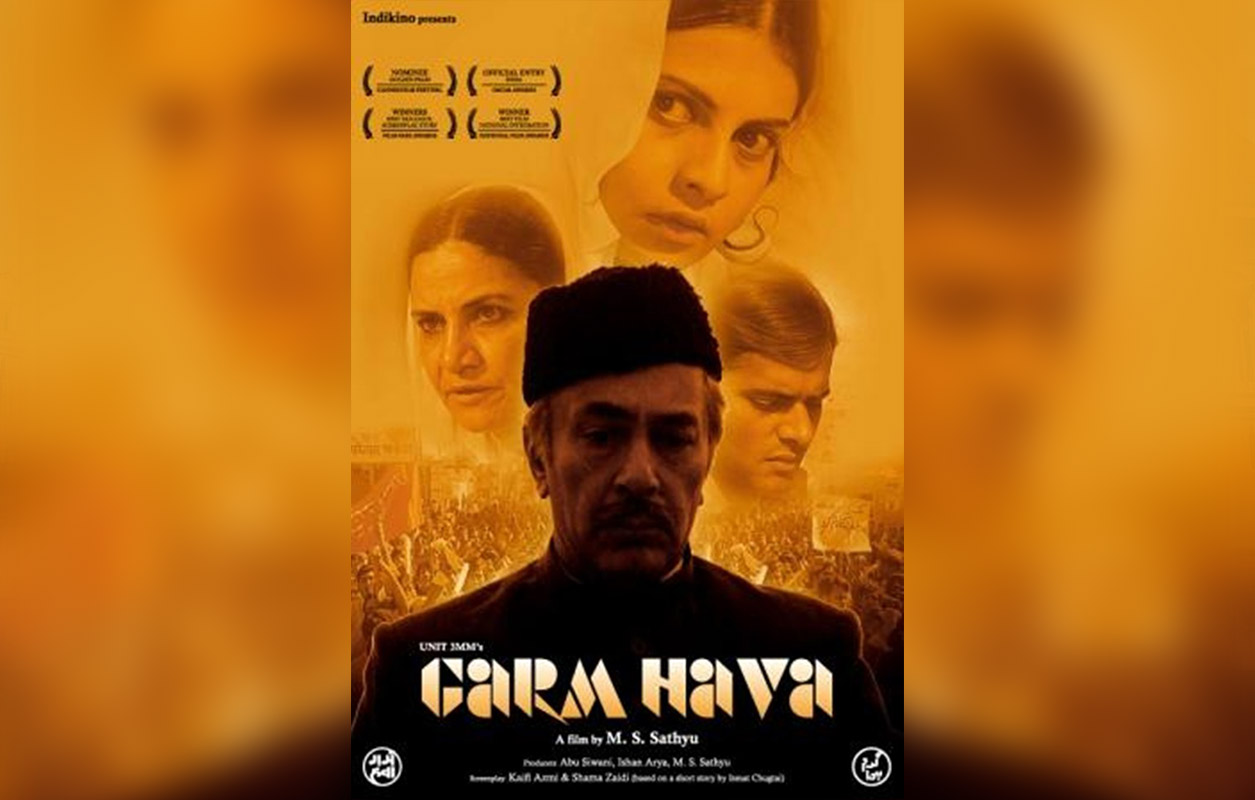
Garam Hava (1973): Directed by M. S. Sathyu
Reviewed by Prerona Dekaphukan, Manager, Product Communication and Content, Destination Knowledge Centre
The Partition of India in 1947 was perhaps one of the biggest scars this country has borne. Countless lives lost. Endless haunting stories that still live in the memories of many. The entire country has carried this inherited grief for decades. Most theatrical performances, including films, focus on how the events unfolded in the capital and then rippled out to the borderlands. We know those narratives. We know the trains. We know the violence that travelled along lines drawn on maps. But M.S. Sathyu’s 1973 film Garam Hava dared to show us a different perspective: what about the people who thought distance would protect them? What about those who stayed?
The screenplay by Kaifi Azmi and Shama Zaidi, adapted from Ismat Chughtai’s unpublished story, opens in Agra after 1947. A shoe merchant named Salim Mirza, played by Balraj Sahni, one of Indian cinema’s most respected actors, has made a choice. He will not leave. His brother left for Pakistan. His extended family has scattered. But Salim believes in the place he has built. He believes in staying.
There are no dramatic moments in Garam Hava. No mobs. No fires. Instead, there is a bank manager who becomes polite but distant. A customer who stops appearing. A house that becomes an “evacuee property,” a bureaucratic phrase that strips ownership like nothing else can. Economic doors close. Social acceptance evaporates. The world Salim thought was his begins to become unbearable.
Sahni, in his final role, carries this erosion with extraordinary grace. He is a man watching his world contract while everything around him crumbles. His son argues with him to fight. His daughter Amina takes her own life after her fiancé leaves for Pakistan without her. His wife watches him age under the weight of a choice that seemed right once but now feels impossible. He is accused of being a spy for Pakistan simply because he sent property plans to his brother. Staying became an act of betrayal. The family is caught between two countries, neither of which wanted them.
The film was initially banned. It took months for Garam Hava to be released, and when it finally arrived, it moved audiences deeply. It won the National Award for Best Feature Film on National Integration in 1974.
Years later, walking through Delhi’s Partition Museum, I recognised this world: the refugee colonies, the photographs of families who had vanished from their neighbourhoods, the documents arranged behind glass, and a poster of Garam Hava on one of its walls.
Did You Know?
Festival to Watch Out For
Mustang Tiji Festival
Mustang, Nepal
14-17 May, 2026
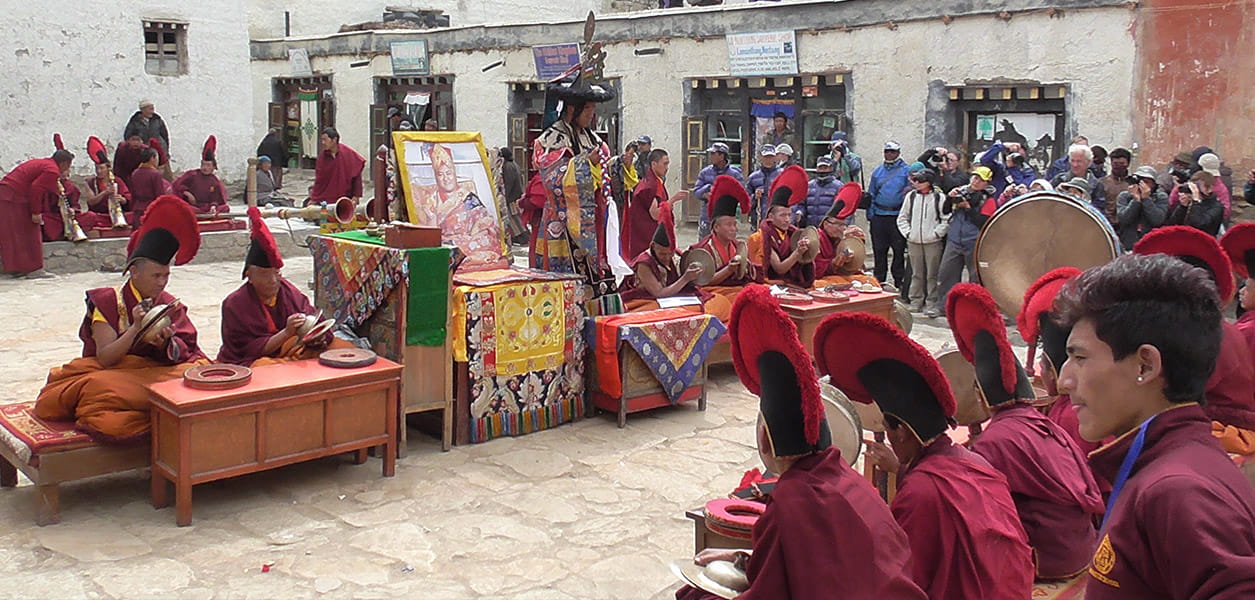
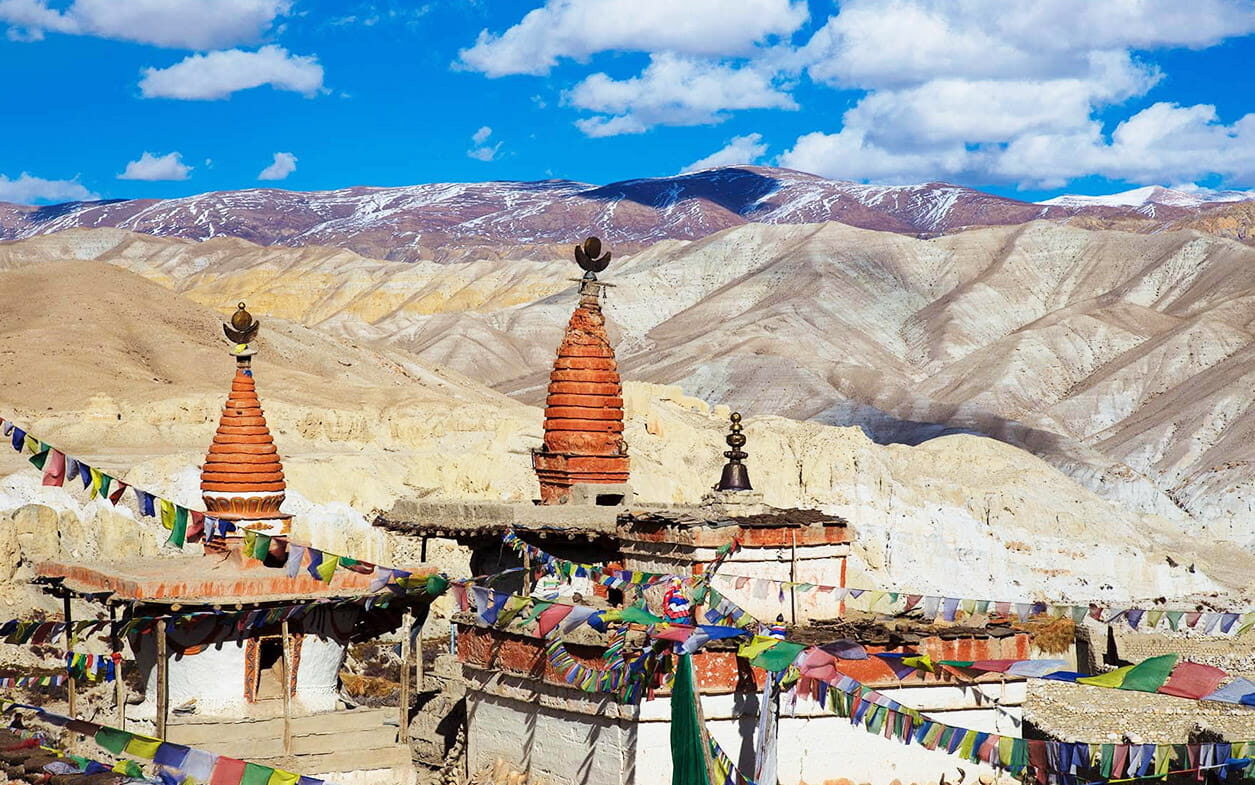
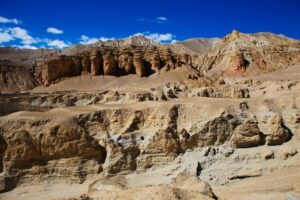
Lo Manthang is one of the most remote and least visited places in the Himalayan world. The ancient walled city, seat of the former Kingdom of Mustang, sits at over 3,700 metres on the Tibetan plateau, and for most of the year it receives few visitors. In May, that changes.
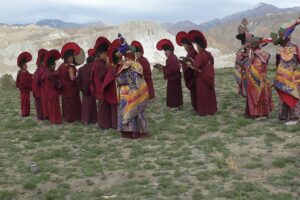
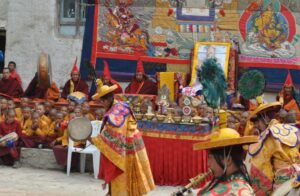
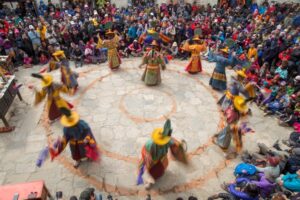
The Tiji Festival is the most important ceremonial event in the Mustang calendar. Over three days, monks from the Choede Monastery perform masked dances and rituals that enact the myth of Dorje Jono, a deity who defeated his own demon father to save the kingdom from destruction and drought. The costumes are elaborate, the music is percussive and insistent, and the performances draw from a tradition that has been observed here for centuries.
What makes Tiji worth the considerable effort of getting there is not the spectacle alone. It is the setting. The whitewashed walls of Lo Manthang, the high-altitude light, the surrounding plateau, and the fact that this is still a living community observing its own calendar on its own terms, all of it together makes for an experience that is difficult to find anywhere else.
Permits are required for Upper Mustang. Planning well in advance is essential.
Picture Gallery
The Mustang Tiji Festival
Where Ancient Myth Meets Living Tradition
Step into the ancient walled city of Lo Manthang, where centuries-old traditions come alive through the breathtaking rituals of the Tiji Festival.
SIGN UP
RESOURCES
SITE LINKS
CONTACT US